
When you sell a car, it feels like the end of a long journey. Maybe you bought a new model, or you no longer need a vehicle. But for many people, selling a car brings another question: what happens if something goes wrong after the sale? Can you still be responsible if the new owner gets in an accident, or if the car has hidden problems? Understanding liability after selling a car is not just smart – it’s essential. Many sellers are surprised to find out they can face legal or financial trouble even after handing over the keys. Let’s look at what you need to know to protect yourself, avoid common mistakes, and make sure the sale is truly complete.
Understanding Liability After Selling A Car
Liability means responsibility for something, usually related to legal or financial matters. When you sell a car, your main goal is to transfer both ownership and liability to the new person. If this transfer is not done correctly, you could still be responsible for what happens with the car.
Here are the main types of liability sellers face:
- Accident liability: If the car is still in your name and the new owner causes a crash, you may be held responsible.
- Fines and tickets: Speeding tickets, parking fines, or toll charges can be sent to the registered owner, not always the driver.
- Financial liability: If you still owe money on the car, or if the buyer does not pay in full, you may face problems with lenders or banks.
- Hidden defects: If you did not tell the buyer about a serious problem, they might sue you for fraud or breach of contract.
Many sellers think handing over the keys is enough, but the process is not always that simple.
The Importance Of Proper Ownership Transfer
Transferring ownership is more than just a handshake or a bill of sale. In most countries and states, there is a legal process to update the records with the government. Until this is done, you remain the legal owner.
Key Steps In Ownership Transfer
- Sign the title (logbook or registration document): Both you and the buyer must sign.
- Complete a bill of sale: This document proves the sale and includes details like price, date, and names.
- Notify your local motor vehicle office (DMV, DVLA, etc. ): You must tell the authorities you sold the car.
- Remove license plates (if required): Some places require you to keep the plates and turn them in.
- Cancel your insurance: Don’t do this until the transfer is official.
If any step is missed, you could still be linked to the car in official records.
Example: Fines And Tickets
Imagine you sell your car but forget to tell the DMV. Three months later, you start receiving parking tickets in the mail. The buyer never changed the registration, so the system still shows you as the owner. Now you must spend time and effort proving you are not responsible.
State And Country Differences
Rules for liability after selling a car can be very different depending on where you live. In the United States, every state has its own laws and forms. In the UK, you must send a section of the V5C (logbook) to the DVLA. In Australia, there are different processes in each territory.
Here’s a comparison of some important differences:
| Country/State | Seller’s Obligation | Immediate Liability Release? |
|---|---|---|
| California, USA | Notice of Transfer and Release of Liability (NRL) | Yes, if filed |
| Texas, USA | Vehicle Transfer Notification | Yes, if filed |
| UK | Send V5C/2 to DVLA | Yes, if received |
| New South Wales, Australia | Submit Notice of Disposal | Yes, if submitted |
Non-obvious insight: In some places, the buyer must also complete paperwork, but if they forget, you may still be liable. Always confirm your part is complete with the local authority.
What Happens If You Do Not Transfer Liability Correctly?
If you do not follow the legal steps, you may face serious problems:
- Legal claims: If the car is in an accident, victims may sue you as the registered owner.
- Financial penalties: You could pay fines, unpaid tolls, or even repair costs.
- Insurance complications: If your insurance is still active, you may be forced to pay claims or lose coverage.
- Tax issues: In some places, you may owe taxes on a car you no longer own.
Example: Real-world Case
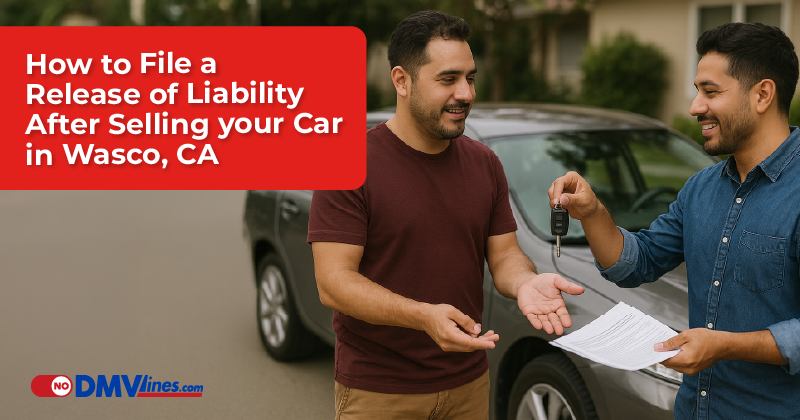
In 2020, a seller in Florida sold his car privately but did not file the transfer documents. The buyer used the car in a hit-and-run. Police traced the car back to the seller, who faced months of legal trouble before proving the sale.
Credit: nodmvlines.com
Private Sale Vs. Dealer Sale: Who Holds Liability?
Selling to a car dealer is usually safer for the seller. Dealers handle all paperwork and immediately change the registration. With a private sale, all responsibility is on you and the buyer.
Here’s a quick comparison:
| Sale Type | Liability Risk | Who Handles Transfer? |
|---|---|---|
| Private Sale | High (if steps missed) | Seller/Buyer |
| Dealer Sale | Low | Dealer |
Practical tip: Even with a dealer, ask for a receipt showing the car has been accepted and transferred.
Selling A Car With Outstanding Loan Or Finance
If you owe money on your car, you cannot legally sell it until the loan is paid off. If you try to sell, the lender may still hold you responsible.
Non-obvious insight: Some buyers know how to check for title liens (unpaid loans). If you hide this fact, you could face fraud charges.
To avoid problems:
- Contact your lender for a payoff amount.
- Pay off the loan before the sale, or arrange for the buyer to pay the lender directly.
- Get a lien release letter to prove the loan is cleared.
Credit: formspal.com
Disclosure Of Defects: Your Duty As A Seller
Many countries and states have lemon laws or similar rules. These laws require you to tell the buyer about serious problems with the car, especially safety issues.
If you hide or lie about defects:
- The buyer may sue you for fraud or misrepresentation.
- You might have to pay for repairs or cancel the sale.
- Your reputation and even future legal status can be damaged.
Practical example: If the car has a faulty airbag, you must tell the buyer. Even if you sell “as is,” some problems cannot be hidden legally.
Release Of Liability Forms: Why They Matter
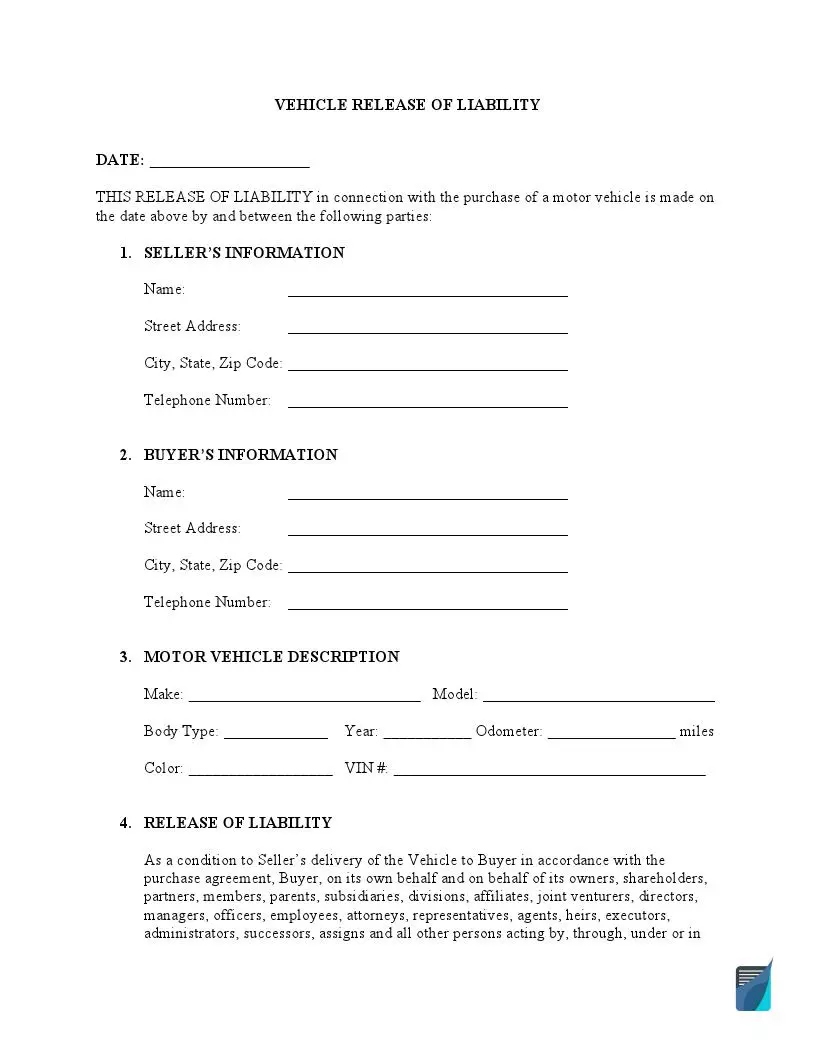
A Release of Liability form is a simple but powerful document. It proves you have sold the car and are no longer responsible.
Most government websites provide these forms. They ask for:
- Vehicle details (VIN, make, model)
- Date and time of sale
- Seller and buyer information
- Signatures
Non-obvious insight: Always keep a copy for your records. If there is a dispute, you can show the exact date and details.
Insurance After Selling Your Car
Many people cancel their insurance right after selling. But if the transfer is not yet complete, you could be left unprotected.
Best practice: Only cancel your car insurance when you have proof the ownership has changed with the government or motor vehicle office.
Sometimes, you can transfer your policy to a new car or pause it for later use.
Steps To Protect Yourself After The Sale
Selling a car is a big transaction. Here’s how you can protect yourself:
- Complete all paperwork: Never trust verbal agreements.
- File the transfer with authorities immediately: Do not wait for the buyer.
- Keep copies of everything: Photos, documents, and messages.
- Remove your plates and insurance: Only after the sale is legally done.
- Meet in a safe location: Public places with cameras are best.
- Confirm payment: Use secure methods like bank transfer or cashier’s check.
Common Mistakes That Leave Sellers Liable
Many sellers make the same errors:
- Failing to notify the government of the sale
- Letting the buyer leave with your license plates
- Forgetting to cancel insurance at the right time
- Not checking if the buyer has a valid driver’s license
- Accepting unclear or incomplete payment
Avoid these mistakes to stay safe.
Legal Actions If You Are Held Liable After Sale
If you receive a fine, ticket, or legal notice after selling, act fast:
- Collect all proof of sale and documents.
- Contact the issuing authority (DMV, police, toll agency) and explain.
- Send copies of your Release of Liability and bill of sale.
- If needed, get advice from a lawyer.
In many cases, providing proof will clear you from responsibility.

Credit: oneflow.com
Digital Car Sales And Liability
Online car sales are growing. Websites and apps help with the process, but the basics are the same: make sure all documents are filed, and keep receipts or screenshots. Some platforms offer built-in liability protection, but always double-check.
For extra safety, use platforms that verify buyer identities and help with the paperwork, such as Carvana or Vroom. For more about safe online car sales, see FTC’s guide on car sales.
What If The Buyer Does Not Register The Car?
If the buyer does not finish the registration, you could stay liable. That’s why it’s so important to submit the Release of Liability or similar form yourself. Never rely on the buyer alone.
Some countries allow you to check the registration status online. Always follow up if you are unsure.
Frequently Asked Questions
Can I Be Sued If The New Owner Crashes The Car After I Sell It?
If the car is still in your name, you might be sued or held responsible. Always make sure the ownership transfer is complete before letting the buyer drive away.
Do I Need To Keep A Copy Of The Bill Of Sale?
Yes, always keep a copy of the bill of sale and any transfer documents. These papers protect you if there is a dispute or legal issue.
How Soon Should I Notify The Dmv Or Relevant Authority?
Notify the DMV or local authority as soon as possible—ideally, the same day as the sale. Delays can leave you open to unwanted liability.
What Happens If I Sell A Car With A Loan Outstanding?
You must pay off the loan before selling or work with the lender and buyer to clear the debt. Selling a car with an unpaid loan can cause legal and financial problems.
Is A Verbal Agreement Enough When Selling A Car?
No, always use written documents. Verbal agreements are hard to prove and may not protect you in court.
Selling a car is more than just exchanging money and keys. To protect yourself from future problems, always follow the correct steps to transfer ownership and release liability. Mistakes can be costly, but a careful, informed process will give you peace of mind.
When in doubt, check with your local motor vehicle office or a trusted legal advisor. This way, you can enjoy the benefits of your sale—without looking back.