
A faulty neutral safety switch can cause trouble in your daily driving, but many car owners do not realize its importance until something goes wrong. This small but critical part is designed to stop your vehicle from starting unless the transmission is in neutral or park. If the switch fails, you could face starting problems, transmission issues, or even dangerous situations. Understanding the symptoms of a bad neutral safety switch can help you fix problems early and avoid expensive repairs. Let’s explore what you need to know, how to spot early warning signs, and why this switch matters for your car’s safety.
What Is A Neutral Safety Switch?
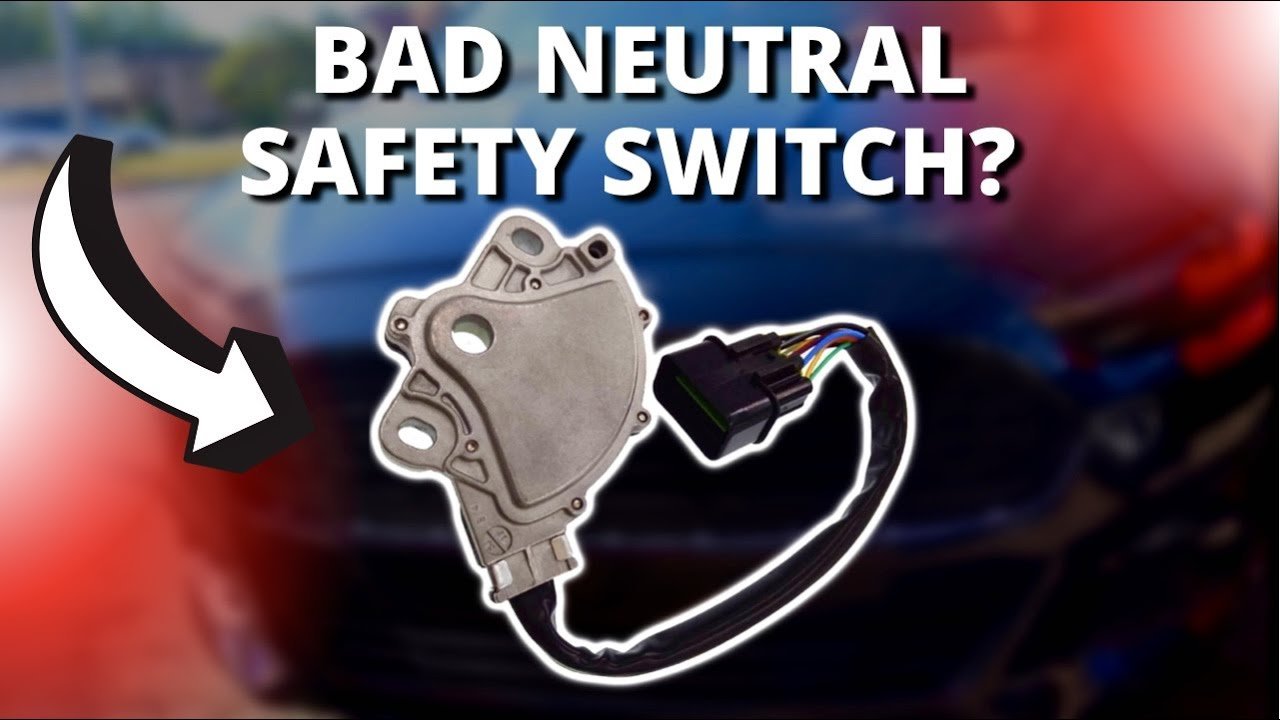
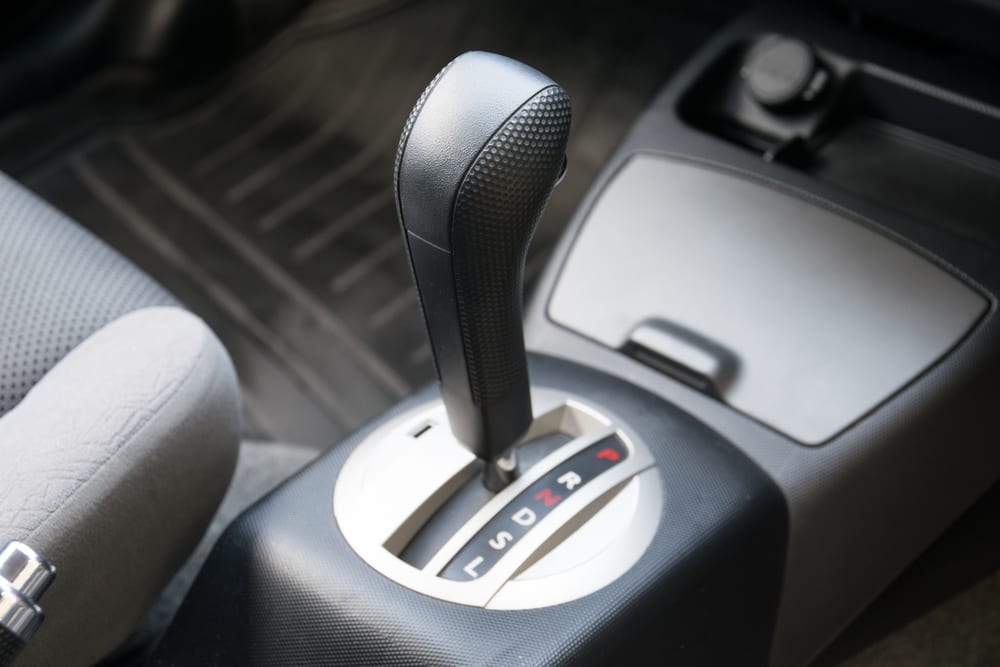
The neutral safety switch is a safety device found in automatic transmission vehicles. Its main job is to prevent the engine from starting unless the gear selector is in “Park” (P) or “Neutral” (N). In manual transmissions, a similar function is often handled by a clutch safety switch.
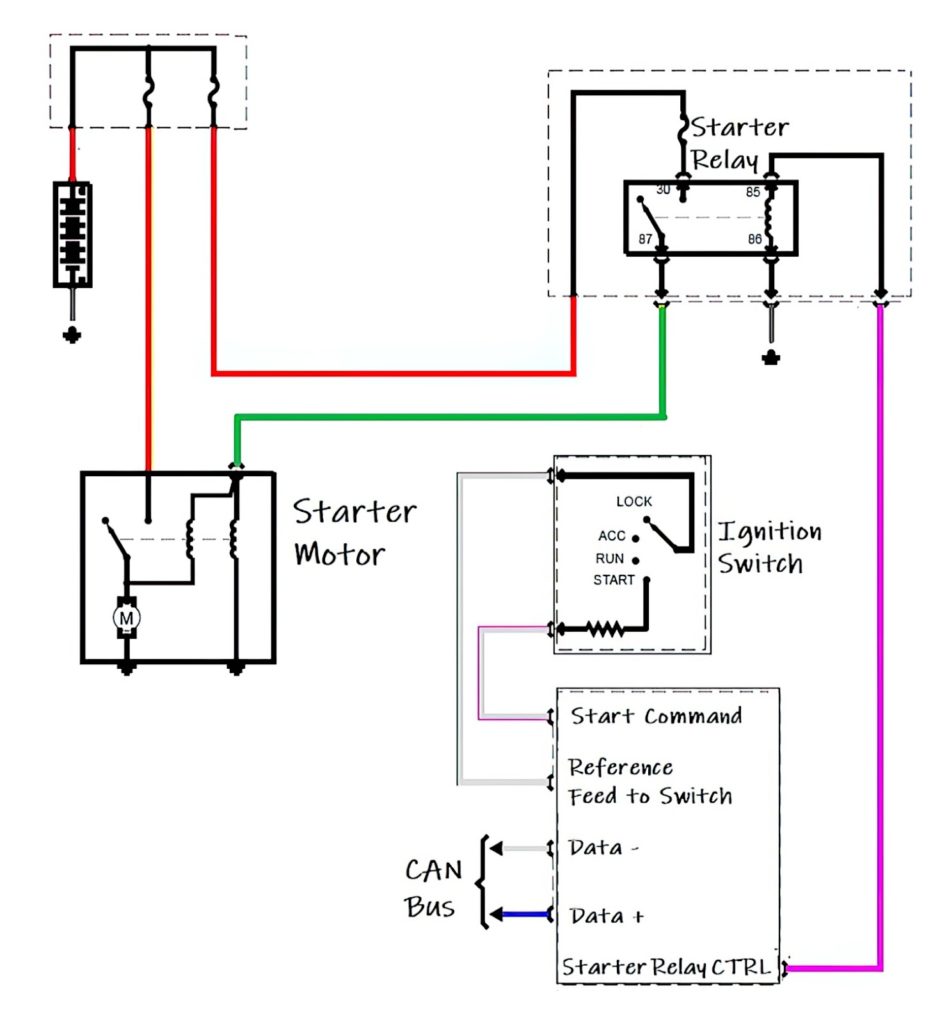
When you turn the key or press the start button, the switch checks the gear position. If the car is not in the right gear, the switch stops power from reaching the starter motor. This prevents the car from moving unexpectedly and keeps you, your passengers, and your vehicle safe.
Why The Neutral Safety Switch Matters
You might not think much about this small part, but the neutral safety switch is essential for both safety and convenience. Without it, your car could start in gear, causing it to jump forward or backward. This can lead to injuries, property damage, or accidents—especially in busy parking lots or driveways. Also, a faulty switch can leave you stranded with a car that refuses to start.
Common Symptoms Of A Bad Neutral Safety Switch
Early detection is important. Here are the most common and important signs that your neutral safety switch may be failing:
1. Engine Won’t Start In Park Or Neutral
One of the most obvious signs is when your engine does not start even though the car is in Park or Neutral. If you hear no sound when turning the key, but the battery and other parts are fine, the neutral safety switch could be the cause.
Sometimes, wiggling the gear shifter or moving it between Park and Neutral helps start the car. This indicates the switch is only working part of the time, which means it’s probably wearing out.
2. Engine Starts In Any Gear
If your car starts in Reverse, Drive, or any gear, this is a serious safety risk. The neutral safety switch should only allow starting in Park or Neutral. Starting in other gears can cause the car to lurch forward or backward, possibly hitting people or objects.
This problem is often noticed after a repair or if the switch is stuck closed. If you see this symptom, get your car checked immediately.
3. Intermittent Starting Problems
A worn or dirty neutral safety switch may work sometimes and fail at other times. You might experience:
- The engine only starts after moving the gear lever back and forth
- No response when turning the key, then suddenly starting after several tries
- Unpredictable starting—works fine one day, not the next
Intermittent problems can be hard to diagnose, but they usually get worse over time.
4. No Crank When Turning The Key
When you try to start the car and the engine does not crank (turn over), but you have a good battery, the neutral safety switch could be at fault. This is different from a dead battery, where nothing works. With a bad switch, other electrical parts (like lights or radio) usually work, but the starter motor does not receive power.
5. Stuck Gear Selector
Sometimes, a faulty neutral safety switch may make it difficult to move the gear shifter out of Park or Neutral. You may need to use extra force, or the shifter feels “stuck” and does not move smoothly. This can happen because the switch is not correctly reading the gear position.
6. Check Engine Light Or Transmission Warning
Modern cars may show a Check Engine Light or a transmission warning if the computer detects a problem with the neutral safety switch. The error codes can include:
- P0850: Neutral safety switch input circuit
- P0705: Transmission range sensor circuit malfunction
A scan tool can read these codes and help you confirm the cause.
7. Reverse Lights Not Working
In some cars, the neutral safety switch also controls the reverse lights. If you shift into Reverse and the lights do not come on (even after changing bulbs), a faulty switch may be the cause. This is more common in older vehicles.
8. Engine Cranks But Does Not Start
Less common, but sometimes the switch may allow the starter to turn the engine, but the engine does not fire up. This can happen if the switch sends mixed signals, confusing the car’s computer.
9. Transmission Shifting Issues
A failing neutral safety switch can sometimes affect how the transmission shifts. You might notice:
- Hard shifting between gears
- Delays in shifting
- The car stuck in one gear
These problems are rare but possible if the switch or its wiring is heavily damaged.
10. Unusual Dashboard Warnings
Some vehicles display messages like “Check Gear Selector,” “Transmission Range Error,” or “Shift to Park. ” These warnings can appear if the neutral safety switch is not working properly.
Real-world Examples
To understand how these symptoms play out, consider a driver who notices their car only starts after jiggling the gear shifter. At first, the issue is minor, but over a few weeks, it becomes harder to start the car. Finally, the car won’t start at all in Park, but starts in Neutral. This is a classic sign of a worn neutral safety switch.
In another case, a car starts in Reverse and almost rolls into a garage door. The cause: a stuck neutral safety switch that lets the engine start in the wrong gear. These examples show why paying attention to symptoms is so important.
Credit: www.carparts.com
Why Do Neutral Safety Switches Fail?
Several factors can cause a neutral safety switch to fail:
- Wear and tear: Over time, electrical contacts inside the switch wear out.
- Corrosion: Moisture can get into the switch or connectors, causing rust.
- Physical damage: Accidents or rough handling during repairs can damage the switch.
- Wiring issues: Broken or loose wires can stop the switch from working correctly.
- Dirt and debris: Road dirt or spilled fluids can block switch movement.
Diagnosing A Faulty Neutral Safety Switch
If you suspect your neutral safety switch is failing, here are some steps you or a mechanic can take:
- Check for codes: Use an OBD-II scanner to see if there are any error codes related to the transmission or neutral safety switch.
- Test the switch: With the car off, move the gear shifter through all positions while watching the reverse lights and trying to start the engine. Does the car start only in Park and Neutral?
- Inspect wiring: Look for loose or corroded connectors near the transmission or shifter.
- Use a multimeter: Test the switch’s electrical continuity according to your car’s service manual.
Many cars require the switch to be replaced as a whole, but some models allow cleaning or adjusting the switch.
Credit: www.youtube.com
Neutral Safety Switch Vs. Other Starting Problems
Sometimes, a car that won’t start has other causes, not just the neutral safety switch. Here’s a quick comparison:
| Symptom | Neutral Safety Switch | Other Causes |
|---|---|---|
| No crank in Park/Neutral | Very likely | Possible (starter, battery, ignition) |
| Starts in any gear | Almost always | Very rare |
| Check engine light | Possible | Possible (many causes) |
| Reverse lights not working | Sometimes | Possible (bulbs, fuse) |
If your car refuses to start but the battery and starter are good, suspect the neutral safety switch.
Cost To Replace A Neutral Safety Switch
The cost to replace a neutral safety switch varies by car model and location. On average:
- Parts: $20 to $150
- Labor: $50 to $200
Some vehicles have the switch in easy-to-reach spots, like near the shifter, while others have it mounted on the transmission, which takes more labor.
Here is a simple cost comparison for popular vehicles:
| Vehicle Model | Parts Cost | Labor Cost | Total Estimated Cost |
|---|---|---|---|
| Toyota Camry | $45 | $90 | $135 |
| Ford F-150 | $60 | $120 | $180 |
| Honda Civic | $35 | $80 | $115 |
| Chevrolet Silverado | $55 | $120 | $175 |
Keep in mind, some repair shops may charge higher rates depending on their experience or your city.
Credit: www.yourmechanic.com
Can You Drive With A Bad Neutral Safety Switch?
Technically, your car may still run with a faulty neutral safety switch, but it’s risky. If the switch lets the car start in gear, it can move suddenly and cause an accident. If the switch stops the car from starting, you could be stranded.
It’s best to fix the issue as soon as possible.
Preventing Neutral Safety Switch Problems
While you can’t always prevent failure, you can reduce the risk:
- Avoid spilling drinks in the center console/shifter area
- Keep your car’s underbody clean, especially in winter
- Fix transmission leaks quickly—fluid can damage wiring or the switch
- Have starting problems checked early before they get worse
Many drivers ignore early symptoms, only to face a breakdown later. Acting quickly saves money and keeps you safe.
Two Insights Most Beginners Miss
- Intermittent failures are more common than total failure. Many people believe a bad switch always stops the car from starting, but often it fails “sometimes.” This makes diagnosis harder. If your car starts only after moving the gear shifter, don’t ignore it.
- Gear position error codes are often misread as transmission problems, but sometimes they’re just a simple switch failure. Many shops replace expensive transmission parts when only the neutral safety switch needed attention. Always check the switch first if codes point to gear position sensors.
When To See A Mechanic
If you notice any of the above symptoms and basic checks don’t solve the problem, see a qualified mechanic. Diagnosing electrical problems can be tricky without the right tools. A skilled technician can test the switch and replace it if needed.
For more technical details, the Wikipedia article on neutral safety switches provides extra background.
Frequently Asked Questions
What Does A Neutral Safety Switch Do?
The neutral safety switch prevents your vehicle from starting unless the transmission is in Park or Neutral. This helps avoid accidents by stopping the car from moving when you start the engine.
Can A Bad Neutral Safety Switch Cause Shifting Problems?
Yes, in some cases. If the switch or its wiring is damaged, it can send incorrect signals to the transmission control unit, causing shifting delays or hard shifts.
How Do I Test A Neutral Safety Switch?
You can test by trying to start the car in Park and Neutral. If it only starts in one position, or not at all, the switch may be failing. A mechanic can use a multimeter or scan tool for more accurate testing.
Is It Expensive To Replace A Neutral Safety Switch?
The cost ranges from $70 to $300, depending on your vehicle and local labor rates. The part itself is often affordable, but labor can vary by car model.
Can I Drive With A Faulty Neutral Safety Switch?
It’s not recommended. If the switch allows starting in gear, it’s a safety risk. If it prevents starting, you could be left stranded. Fix the problem as soon as possible to stay safe.
Spotting the symptoms of a bad neutral safety switch early can save you time, money, and frustration. Don’t ignore the warning signs—address them quickly for reliable and safe driving.
