
Buying a new car is an exciting moment. That new-car smell, smooth engine, and shiny paint make you proud. But once you drive away from the dealer, the real work begins. Taking care of your new car in the first year is very important. Doing the right maintenance early can keep your car running well for years and help you avoid expensive repairs. Even if you have a warranty, basic care is still your responsibility. Many car owners think new cars do not need much attention, but this is not true. In fact, the first year is when you set the tone for your vehicle’s long-term health.
This guide will walk you through everything you need to know about first-year maintenance for your new car. You will learn what tasks are needed, when to do them, and why they matter. We will also cover common mistakes beginners make and share tips that most manuals don’t mention.
By the end, you will feel confident about keeping your new car in top shape.
Why First-year Maintenance Matters
Some people believe new cars are perfect and do not need care right away. However, new engines and parts are still “settling in. ” Small issues can appear after a few months of use. If you ignore them, these problems can grow.
Regular maintenance helps you catch any early defects, keeps your warranty valid, and saves money in the long run.
Key benefits of first-year maintenance:
- Protects your investment
- Ensures warranty stays valid
- Prevents early wear and tear
- Improves safety and reliability
- Helps your car keep its value
Skipping even one service can make your warranty void. Also, a well-maintained car will have fewer breakdowns and a higher resale price.
The Most Important First-year Maintenance Tasks
Taking care of your car is not just about oil changes. There are several key areas you need to pay attention to, especially in the first 12 months.
1. First Oil Change
Many car makers recommend the first oil change earlier than usual, sometimes at just 1,000-3,000 miles (1,600-4,800 km). This is because tiny bits of metal can come off new engine parts and mix with the oil. Removing these keeps your engine clean.
What to do:
Check your owner’s manual for the exact mileage. If you drive in tough conditions (like stop-and-go traffic or dusty areas), consider changing oil even sooner.
2. Checking And Replacing Filters
Your car has several filters: oil filter, air filter, and cabin filter. The oil filter is usually changed with the oil. The air filter keeps dirt out of the engine, while the cabin filter cleans the air you breathe inside.
When to check:
- Oil filter: With every oil change
- Air filter: Every 10,000–15,000 miles (16,000–24,000 km) or as needed
- Cabin filter: Every 15,000–20,000 miles (24,000–32,000 km)
3. Tire Care
Tires are your contact with the road. In the first year, you should:
- Check tire pressure monthly
- Rotate tires every 5,000–7,000 miles (8,000–11,000 km)
- Inspect for cuts, nails, or uneven wear
Proper tire care improves safety and fuel efficiency. Uneven tire wear in a new car can mean a problem with alignment or suspension.
4. Brake Inspection
New brake pads can sometimes wear faster as they “bed in. ” Listen for any squeaks or grinding, and have your brakes checked at every service.
5. Fluid Levels
Your car uses several fluids besides oil:
- Coolant (prevents overheating)
- Brake fluid
- Transmission fluid
- Power steering fluid
- Windshield washer fluid
Check these at least every few months. Low or dirty fluids can signal a leak or other problem.
6. Battery Health
Batteries in new cars rarely fail in the first year, but it’s smart to check the battery terminals for corrosion and make sure it’s charging properly.
7. Lights And Electronics
Test all lights: headlights, brake lights, turn signals, and dashboard indicators. Modern cars have many electronics, so watch for warning lights or strange behavior.
8. Paint And Body Care
Washing and waxing your car protects the paint. Bird droppings, tree sap, and road salt can damage the finish if not cleaned quickly.
9. Software Updates
Many new cars, especially hybrids and EVs, use computer software to control functions. Some updates fix bugs or improve efficiency. Ask your dealer if any updates are available during your first-year service visits.
10. Scheduled Servicing
Follow the service schedule in your owner’s manual. Skipping a recommended checkup, even if your car seems fine, can cause warranty issues.
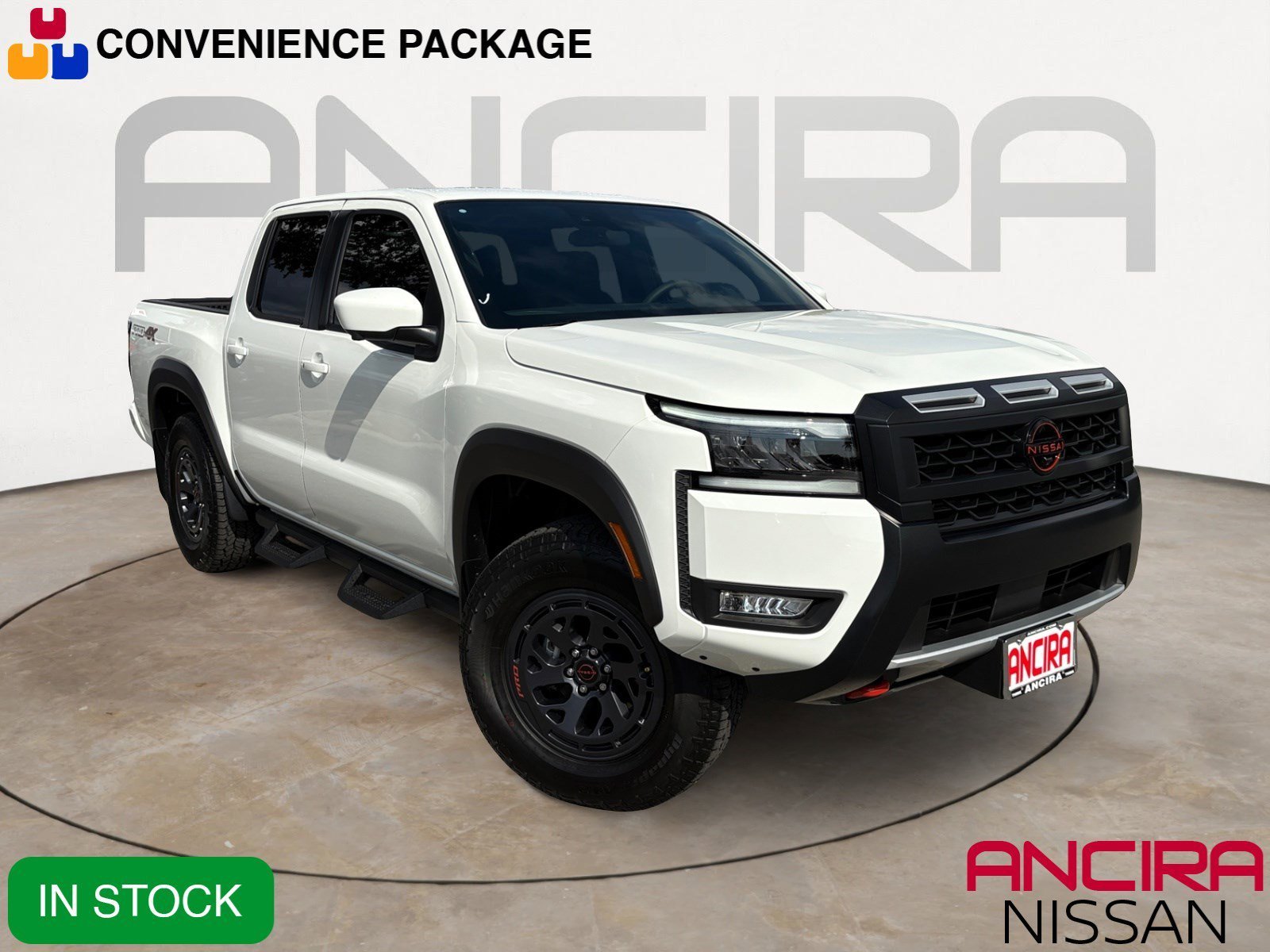
Credit: www.anciranissansa.com
What Is Actually Included In First-year Service?
Dealers may offer a “free” first-year service. But what does this include? It can vary. Here’s a typical comparison:
| Service Item | Included in Free Service? | Cost If Paid (USD) |
|---|---|---|
| Oil Change | Yes | $40–$70 |
| Oil Filter | Yes | $10–$20 |
| Air Filter | No | $20–$40 |
| Tire Rotation | Sometimes | $20–$50 |
| Brake Inspection | Yes | $0–$30 |
| Fluid Top-up | Yes | $10–$30 |
Always ask your dealer for a list of what’s covered. Some “free” services only include basic checks, not actual part replacements.
Common Mistakes New Car Owners Make
It’s easy to assume a new car can handle anything. But beginners often make these mistakes:
- Skipping scheduled services. Even if your car feels fine, missing a service can void your warranty.
- Using the wrong oil or parts. Always use what the manual recommends, or you could cause damage.
- Ignoring small problems. A little noise or warning light can turn into a big repair if left unchecked.
- Not breaking in the engine properly. For the first 1,000 miles (1,600 km), avoid high speeds and hard braking. This helps the engine “settle.”
- Washing with harsh chemicals. Only use car-safe soap and soft cloths to protect the paint.

Credit: www.morries.com
How To Keep Your Warranty Safe
Your car warranty is valuable. It covers repairs if something breaks early. But if you skip required maintenance or use non-approved parts, your warranty could be denied.
What to do:
- Keep all service records and receipts
- Do maintenance at the dealer or an approved shop
- Follow the manual’s schedule exactly
Here is a quick comparison of dealer vs. independent shop for new car service:
| Aspect | Dealer | Independent Shop |
|---|---|---|
| Warranty Protection | Guaranteed | Check approval first |
| Original Parts | Always | Sometimes |
| Cost | Higher | Lower |
| Service Speed | Slower (busy) | Often faster |
What About Electric And Hybrid Cars?
Electric vehicles (EVs) and hybrids need less engine maintenance but have special needs:
- Check battery software updates
- Rotate tires more often (EVs are heavier)
- Watch for brake wear (regenerative braking helps, but check anyway)
EVs do not need oil changes, but they still need coolant and other fluid checks.
Non-obvious Insights Most Beginners Miss
Many owners focus on oil changes and forget other important areas. Here are two insights that are often overlooked:
- Listen to your car. Small vibrations, changes in sound, or odd smells can be early warnings. Pay attention to anything unusual, even if there is no warning light.
- Check tire alignment after a few months. New cars can go out of alignment quickly, especially after hitting potholes. Poor alignment causes uneven tire wear and affects handling.
Seasonal Maintenance: What To Do As Weather Changes
The first year often brings your car through all four seasons. Each season has special needs:
- Winter: Check battery health, tire pressure (cold lowers it), and keep antifreeze topped up.
- Summer: Make sure coolant levels are good and air conditioning is working.
- Rainy season: Check wipers and tire tread for safe driving.

Credit: www.ancira.com
Real-world Example: First-year Experience
Let’s look at a real example. Maria bought a new Toyota Corolla and followed the manual closely. She did her first oil change at 2,500 miles, rotated her tires at 5,000 miles, and checked fluids monthly. By the end of the year, her car had no problems, and her dealer said it was in perfect condition. Another friend, who skipped tire rotations, had to buy new tires much sooner due to uneven wear.
Practical Tips To Make Maintenance Easier
- Set reminders on your phone for each scheduled service.
- Keep a folder with all your receipts and service records.
- Wash your car regularly, especially in winter or after driving on salted roads.
- Learn to check fluids and tire pressure yourself—it only takes a few minutes.
- If you notice any warning lights, don’t ignore them. Ask your dealer or a trusted mechanic right away.
How Much Does First-year Maintenance Cost?
The cost of first-year maintenance depends on your car, how much you drive, and where you live. Here’s a rough estimate for a typical sedan in the USA:
| Maintenance Task | Frequency (First Year) | Estimated Total Cost (USD) |
|---|---|---|
| Oil change + filter | 2 times | $100–$150 |
| Tire rotation | 2 times | $40–$80 |
| Air/cabin filters | 1 each | $40–$80 |
| Fluid top-ups | As needed | $30–$60 |
| Misc. inspections | 2 times | $0–$50 |
If your dealer offers free maintenance, your out-of-pocket costs may be lower. Premium or luxury cars often cost more.
Where To Find Reliable Maintenance Advice
Your owner’s manual is the best source. But you can also check official car maker websites and trusted auto resources. For deep research, sites like Consumer Reports offer unbiased advice on car care and reliability.
Frequently Asked Questions
How Often Should I Service My New Car In The First Year?
Most new cars need service every 5,000 to 10,000 miles (8,000–16,000 km) or every 6 months, whichever comes first. Always check your owner’s manual for the exact schedule.
Will Skipping One Oil Change Void My Warranty?
It can. Skipping scheduled maintenance may give the car maker a reason to deny warranty claims. Always keep records of all services done.
Can I Do Basic Maintenance Myself?
Yes, you can do simple checks like fluid levels and tire pressure. But for more complex tasks, especially those affecting the warranty, it’s better to use the dealer or an approved shop.
Is First-year Maintenance Different For Electric Cars?
Yes. Electric vehicles do not need oil changes, but you should check tires, brakes, coolant, and software updates. Follow the EV’s specific manual for details.
What If I Drive Less Than The Average Person?
You still need to follow the time-based schedule in your manual (for example, every 6 months), even if you haven’t reached the mileage.
Taking care of your new car in the first year is not hard, but it is very important. Small steps—like checking fluids, rotating tires, and following the service schedule—can keep your car safe, reliable, and valuable for years to come.
By building good habits now, you set the foundation for stress-free driving and fewer surprises down the road.