
If your car suddenly won’t start and you notice there’s no fuel pressure, it can leave you feeling frustrated and confused. Modern engines depend on a precise flow of fuel to operate, and when that flow stops, the engine simply won’t run. This situation is more common than many drivers realize, yet understanding why it happens and what to do next can save you time, money, and stress. Whether you’re a car owner, a DIY enthusiast, or just want to know more about what’s happening under your hood, this guide will walk you through everything you need to know about cars that won’t start due to no fuel pressure.
Why Fuel Pressure Matters
Fuel pressure is the force that pushes gasoline or diesel through the fuel lines, injectors, and into the engine. Without the right pressure, the air-fuel mixture can’t ignite properly, and the engine won’t run. Most fuel-injected vehicles require between 35 to 60 psi (pounds per square inch) of pressure, depending on the model. Even small drops in pressure can cause poor performance, rough idling, or complete engine failure to start.
Common Reasons For No Fuel Pressure
Identifying the root cause is the first step toward a solution. Here are the most common reasons you might have no fuel pressure:
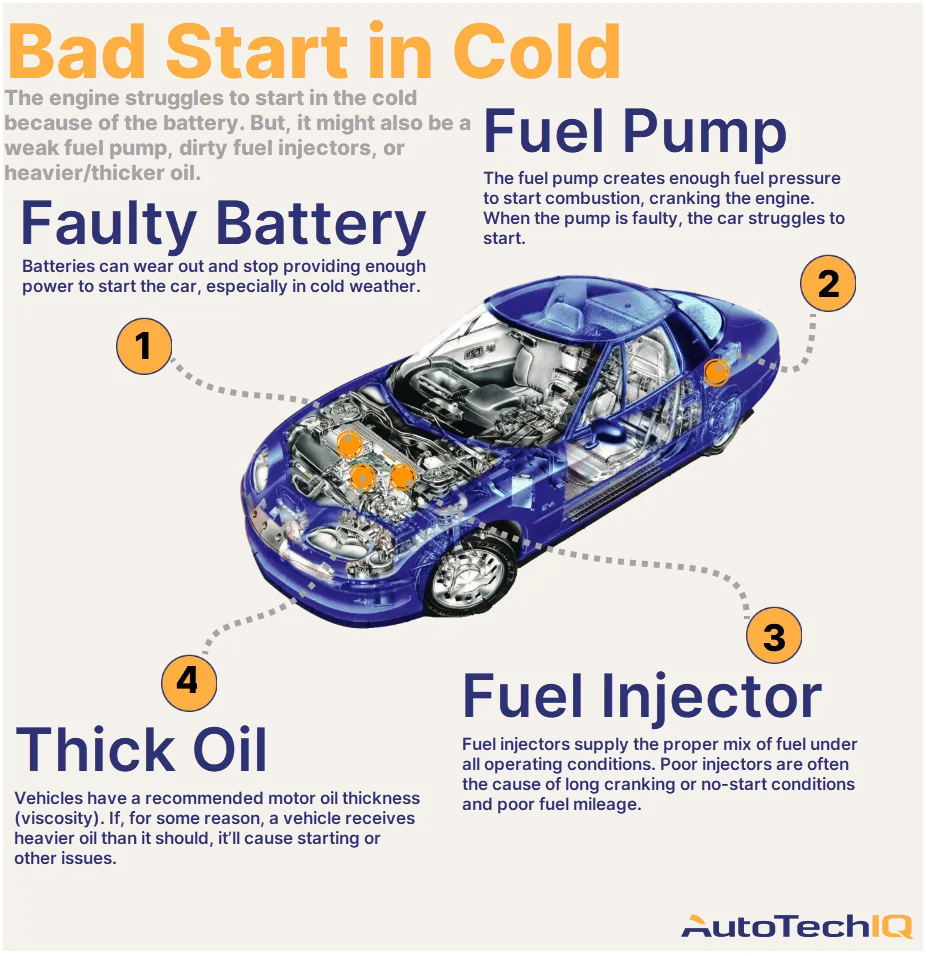
- Faulty Fuel Pump: The fuel pump is responsible for delivering fuel from the tank to the engine. If it fails, pressure drops to zero.
- Blown Fuel Pump Fuse or Relay: These electrical components control the power to your fuel pump. If they’re blown or defective, the pump won’t run.
- Clogged Fuel Filter: Over time, filters collect dirt and debris. A clogged filter can completely block fuel flow.
- Damaged Fuel Lines: Leaks, kinks, or blockages in the fuel lines interrupt the flow and reduce pressure.
- Failed Fuel Pressure Regulator: This part maintains steady pressure. A malfunction can drop pressure suddenly.
- Empty Fuel Tank: Sometimes, the simplest answer is overlooked—no fuel means no pressure.
- Wiring or Connector Issues: Corroded or disconnected wires to the pump or sensors can cut off power.
- Bad Crankshaft Position Sensor: Some cars won’t send fuel if this sensor isn’t working, as the computer can’t tell the engine position.
- Immobilizer or Security System Fault: Some anti-theft systems cut fuel to prevent the car from starting.
Hidden Causes Beginners Miss
Two causes many overlook: bad grounds (poor connections to the vehicle’s body) and ECU failure (engine computer faults). Both can silently stop fuel delivery without obvious signs.
Credit: www.autotechiq.com
How To Diagnose No Fuel Pressure
Before replacing parts, it’s important to test and confirm what’s wrong. Here’s a practical approach:
- Listen for the Fuel Pump: When you turn the key to “ON,” you should hear a soft whirr from the fuel tank for a few seconds. No sound may mean the pump isn’t working.
- Check for Trouble Codes: Use an OBD-II scanner to check for engine codes. Codes related to the fuel system, crank sensor, or ECU can give clues.
- Inspect Fuses and Relays: Find your car’s fuse box (usually under the hood or dashboard) and check the fuel pump fuse and relay.
- Test Fuel Pressure: With a fuel pressure gauge, connect to the test port (often on the fuel rail). If there’s zero pressure, the pump isn’t delivering.
- Check for Fuel at the Rail: Carefully press the Schrader valve (like a tire valve) on the fuel rail with a rag. No fuel spray means no pressure.
- Examine Wiring and Grounds: Look for loose, corroded, or broken wires at the pump, fuse box, and battery.
- Inspect the Fuel Filter: If accessible, remove the filter and check for clogs or heavy debris.
- Try Starter Fluid: If the car runs briefly on starter fluid sprayed into the intake, the problem is almost certainly fuel-related.
Table: Common Diagnostic Steps And What They Reveal
| Diagnostic Step | Possible Finding | What It Suggests |
|---|---|---|
| Listen for pump | No sound | Pump, fuse, relay, wiring, or ECU issue |
| Check fuses/relays | Blown or faulty | Electrical supply problem |
| Fuel pressure test | Zero psi | Pump failure, wiring, no fuel, or blocked line |
| Starter fluid test | Engine fires briefly | Fuel delivery issue |
Fixing No Fuel Pressure: Step-by-step
Once you know the cause, you can fix the problem with confidence. Here’s how to approach the most common repairs:
1. Fuel Pump Replacement
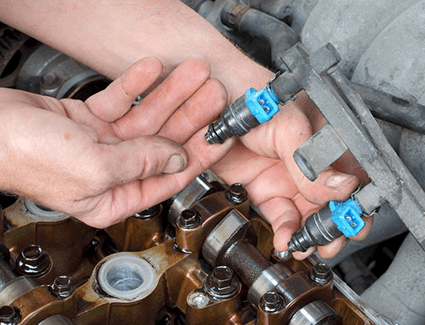
If the pump is dead, it must be replaced. Most pumps are in the tank, requiring the tank to be dropped. It’s a job for skilled DIYers or professionals. Always disconnect the battery, relieve system pressure, and work in a well-ventilated area.
2. Replace Faulty Fuses Or Relays
Swapping a blown fuse or bad relay is quick and cheap. Always use the same rated part as the manufacturer recommends.
3. Clean Or Replace Clogged Fuel Filter
Filters are often under the car or in the engine bay. If the filter is full of dirt, replace it with a new one. Never try to clean and reuse a fuel filter.
4. Repair Damaged Fuel Lines
Look for leaks or crushed sections. Replace damaged lines with new ones rated for your fuel type and pressure.
5. Fix Wiring And Connector Issues
Repair or replace any broken, frayed, or corroded wires and connectors at the fuel pump, battery, and grounds.
6. Address Fuel Pressure Regulator Problems
If the regulator is leaking fuel or fails a pressure test, replace it. Some cars have the regulator built into the pump module.
7. Add Fuel If Empty
It sounds simple, but always check the fuel gauge and add fuel if needed.
8. Immobilizer Or Security System Reset
If a security light is flashing, try locking and unlocking the car with the key fob, or follow the reset procedure in your owner’s manual.
Table: Repair Cost Estimates
For comparison, here’s a look at typical repair costs for fuel pressure problems:
| Repair | DIY Cost (USD) | Professional Cost (USD) | Typical Time |
|---|---|---|---|
| Fuel pump replacement | $80–$250 | $350–$900 | 2–4 hours |
| Fuel filter replacement | $10–$40 | $70–$150 | 30–60 mins |
| Fuse/relay replacement | $2–$20 | $50–$100 | 10–20 mins |
| Fuel line repair | $15–$60 | $120–$350 | 1–2 hours |
Credit: www.youtube.com
Real-world Examples
Picture this: a 2010 Honda Civic cranks but won’t start. The owner hears no fuel pump noise. After checking the fuse, they find it’s blown. Replacing the fuse gets the car running again. In another case, a 2005 Ford F-150 needed a new fuel pump after 150,000 miles—the pressure was zero, and the pump didn’t prime.
A surprising insight: Many cars will run with a weak battery, but a battery with bad connections can cause the fuel pump to stop working, even if the engine cranks well.
Preventing Future No Fuel Pressure Problems
You can’t always predict a fuel pump failure, but you can reduce risk:
- Replace fuel filter every 30,000–60,000 miles, or as recommended.
- Keep the fuel tank above ¼ full. Running low increases pump heat and wear.
- Use quality fuel to prevent clogging.
- Check wiring and grounds during regular maintenance.
- Watch for early signs: Hard starting, sputtering, or power loss under load.
Many drivers overlook how much heat and electrical stress a fuel pump faces. Keeping the tank at least one-quarter full helps cool the pump and extends its life.
Mistakes To Avoid
When dealing with no fuel pressure, avoid these common errors:
- Guessing the problem: Always test before replacing parts.
- Using the wrong fuse: Too high a rating can cause wiring damage.
- Ignoring electrical checks: Many problems are wiring-related, not just the pump.
- Neglecting safety: Fuel systems are pressurized and flammable. Always relieve pressure and disconnect the battery.
- Skipping the fuel filter: A clogged filter can kill a new pump quickly.
When To Seek Professional Help
If you’ve checked the basics and still have no fuel pressure, or if the repair requires dropping the fuel tank, it’s wise to call a mechanic. Modern cars have complex systems, and some require special tools or reprogramming after repairs.
Credit: www.captoyota.com
Frequently Asked Questions
Why Does My Car Crank But Not Start If There’s No Fuel Pressure?
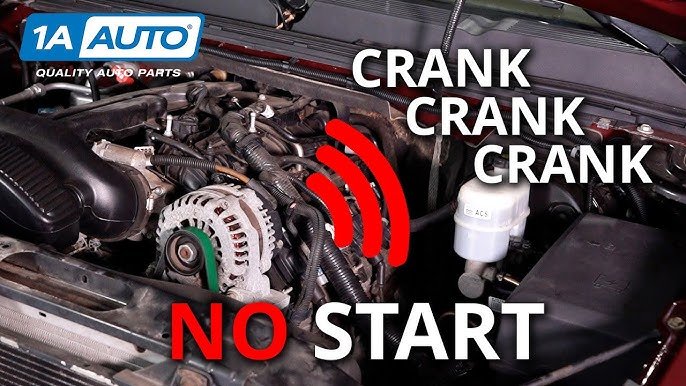
If your car cranks but doesn’t start, it means the starter motor is working, but fuel isn’t reaching the engine. This is usually caused by a failed fuel pump, blown fuse, clogged filter, or wiring issue. Without fuel, the engine can’t ignite, so it won’t run.
How Do I Know If My Fuel Pump Relay Is Bad?
Common signs include a car that won’t start, no sound from the fuel pump, and sometimes intermittent stalling. You can test the relay by swapping it with another identical relay in the fuse box, or by checking for voltage at the fuel pump connector.
Can A Bad Fuel Pressure Regulator Cause A No-start?
Yes, a failed fuel pressure regulator can cause very low or no pressure, making the car hard to start or unable to start at all. If the regulator is leaking or stuck open, fuel returns to the tank instead of reaching the engine.
Is It Safe To Use Starter Fluid To Diagnose No Fuel Pressure?
It’s generally safe if used carefully. Spray a small amount into the intake. If the engine starts for a moment, you likely have a fuel delivery problem. Never use too much, and keep clear of moving parts and open flames.
Where Can I Find More Technical Details About Fuel Systems?
For in-depth technical information, you can visit the Wikipedia page on fuel injection, which explains how modern fuel systems work and common issues in detail.
A car that won’t start due to no fuel pressure can be a headache, but with careful diagnosis and the right approach, most problems can be found and fixed. Take your time, stay safe, and remember—systematic troubleshooting is the key to getting back on the road.