
Choosing the right oil filter can make a real difference to your engine’s life and performance. Many drivers see oil filters as small, simple parts. In fact, the quality of your oil filter is crucial. It decides how well your engine oil stays clean, how often you need to change the oil, and even how long the engine lasts. But not all oil filters are the same. Some have better materials, smarter designs, or stricter quality controls. Others might save money at first, but cost more in the long run.
This article will help you understand how oil filter quality really compares. You’ll see which features matter most, how top brands differ, and what mistakes to avoid. You’ll also find useful tables for quick comparison, and answers to common questions.
By the end, you’ll know how to choose the best oil filter for your car, truck, or motorcycle—with confidence.
What Makes A High-quality Oil Filter?
Several factors decide if an oil filter is good or bad. Understanding these points will help you judge any brand or model.
Filtration Efficiency
The main job of an oil filter is to remove particles from engine oil. These can be dust, metal shavings, or carbon. The best filters can capture even the smallest particles—down to 20 microns or less. (A human hair is about 70 microns wide.)
High-quality filters often have an efficiency of 99% at 20 microns. Cheaper filters may only catch bigger particles, letting smaller, harmful ones go back into the engine.
Filter Media Material
The filter media is the paper or synthetic material inside the filter. Good filters use:
- Synthetic fiber: Lasts longer, holds more dirt, and filters better.
- Cellulose: Common in cheaper filters, but blocks fewer particles and clogs faster.
- Mixed media: Combines both for a balance of cost and performance.
Construction Quality
A well-built filter will have:
- Strong steel can: Resists bursting at high pressure.
- Quality end caps: Sealed with metal, not cardboard, for better durability.
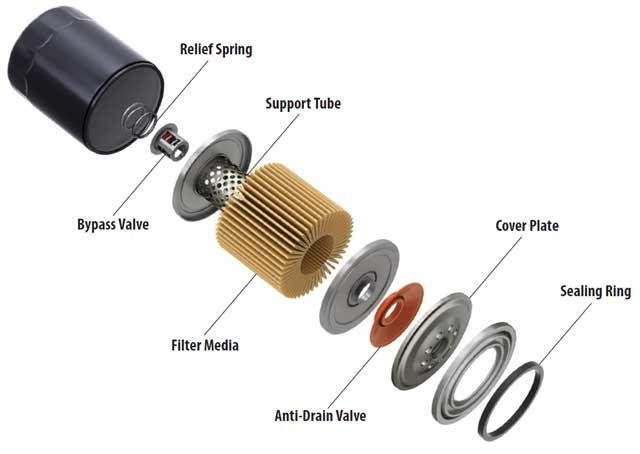
- Reliable anti-drainback valve: Stops oil from draining back into the sump when the engine is off.
- Good bypass valve: Lets oil flow if the filter clogs, preventing engine starvation.
Capacity And Service Life
Good filters can hold more dirt before clogging. This means longer oil change intervals and less risk of damage. High-end filters can last 10,000 miles or more. Basic filters may need changing every 3,000 to 5,000 miles.
Brand Reputation And Testing
Top brands test their filters under tough conditions. They publish results and follow strict ISO standards. Unknown brands may skip testing or use poor materials.
Comparing Popular Oil Filter Brands
To make things clearer, here’s a side-by-side look at some of the most well-known oil filter brands. This will help you see real differences in features and quality.
| Brand | Efficiency (at 20 microns) | Media Type | Max Mileage | Unique Features |
|---|---|---|---|---|
| Mobil 1 | 99% | Synthetic fiber | 15,000 miles | Heavy-duty can, silicone anti-drainback valve |
| Bosch Premium | 99% | Blend (synthetic/cellulose) | 10,000 miles | High dirt capacity |
| K&N Performance | 98% | Synthetic fiber | 10,000 miles | Wrench-off nut, strong can |
| Fram Extra Guard | 95% | Cellulose | 5,000 miles | Low cost, basic protection |
| WIX XP | 99% | Synthetic fiber | 10,000 miles | Sturdy construction, silicone valves |
Notice how synthetic media and higher efficiency usually go together with longer mileage and stronger parts.

Credit: www.machinerylubrication.com
Key Features To Compare When Choosing An Oil Filter
When you’re shopping for an oil filter, focus on these points:
1. Filtration Rating
Look for micron rating and efficiency. A filter that catches 99% of particles at 20 microns is much better than one that only catches 80% at 30 microns. Not all brands publish these numbers, but trusted ones usually do. According to AAA’s Approved Auto Repair program, shops that employ ASE-certified or factory-trained technicians must meet strict standards for training, equipment, and customer service.
2. Filter Media
Choose synthetic or blend media if possible. These last longer and protect better, especially with modern engines and longer oil change intervals.
3. Construction Details
Check for:
- Steel end caps (not cardboard)
- Silicone anti-drainback valve (lasts longer than rubber)
- Thick canister walls (won’t burst under pressure)
4. Bypass And Anti-drainback Valves
The bypass valve saves your engine if the filter gets clogged. The anti-drainback valve stops dry starts. Cheap filters sometimes skip these or use poor materials.
5. Capacity
A bigger filter isn’t always better, but more dirt-holding capacity means less risk of clogging. This is key if you drive in dusty areas or go longer between oil changes.
6. Fit And Compatibility
Always check the model number for your car, truck, or bike. Even the best filter won’t help if it doesn’t fit right.
Real-world Performance: How Filters Perform Over Time
Lab tests are important, but real-world use matters just as much. Here’s how different filters tend to perform after months of use:
| Filter Type | Common Usage Time | Typical Issues | Best Use Case |
|---|---|---|---|
| Premium Synthetic | 10,000–15,000 miles | Rarely clogs, stays strong | Long oil change intervals, modern engines |
| Mid-Range Blend | 5,000–10,000 miles | May clog with heavy dirt | Mixed driving, standard cars |
| Basic Cellulose | 3,000–5,000 miles | Clogs faster, weak valves | Short trips, budget needs |
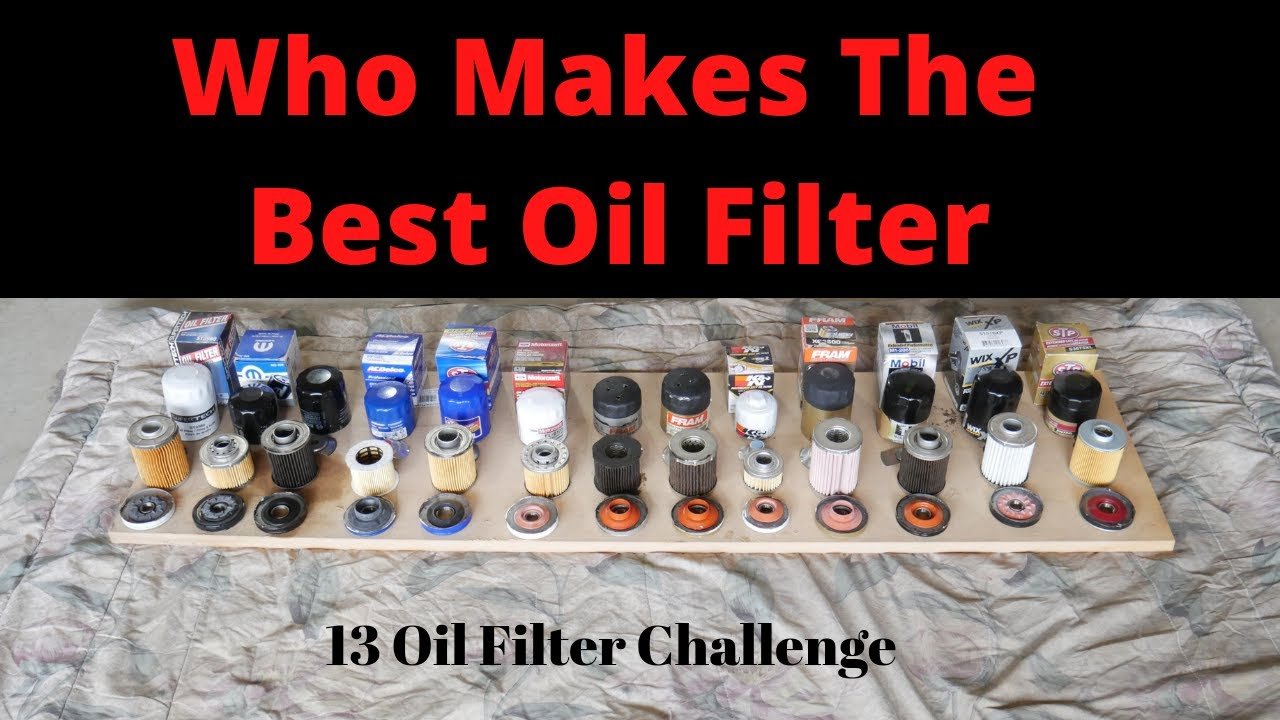
A common mistake is keeping a cheap filter on too long. Even if your oil is still good, a clogged filter can starve your engine of oil or let dirty oil through.
Credit: www.youtube.com
Common Mistakes When Comparing Oil Filters
Many buyers make errors that can cost time and money. Here are some to avoid:
- Only looking at price. A $5 filter may seem like a bargain, but if it clogs early or fails, you could face much bigger repair bills.
- Ignoring fitment. Not all filters fit every engine, even if the threads look similar. Always double-check the part number.
- Trusting marketing claims. “High mileage” or “performance” labels mean nothing without real specs.
- Not changing the filter with the oil. Reusing an old filter with new oil can undo the benefits of the oil change.
- Overlooking brand reputation. Stick with brands that publish test results and meet industry standards.
How Oil Filter Quality Affects Your Engine
A high-quality oil filter does more than just trap dirt. It:
- Protects engine parts from wear by keeping oil clean
- Reduces sludge and deposits
- Prevents oil starvation with a good bypass valve
- Supports longer oil change intervals, saving money
A poor-quality filter can lead to:
- Faster engine wear
- Clogged oil passages
- Low oil pressure
- Costly repairs (sometimes thousands of dollars)
For example, a study by the Society of Automotive Engineers (SAE) found that engines with low-quality filters had 30% more wear over 100,000 miles compared to those with premium filters. That’s a huge difference over time.
How To Spot A Fake Or Low-quality Oil Filter
The market is full of counterfeit or low-grade filters, especially online. Watch for these warning signs:
- No brand name or fake labels
- Lightweight canister that feels cheap
- Visible glue or cardboard inside
- No clear specs or test data
- Super low price compared to usual
If in doubt, buy from trusted shops or the dealer. Saving a few dollars is not worth risking your engine.
Non-obvious Insights Most Beginners Miss
Even experienced drivers sometimes overlook these points:
- The anti-drainback valve is critical for cars that sit unused for days. Without it, oil drains out, causing dry starts and quick wear. Always check for a silicone (orange) valve if possible.
- Oil filter orientation matters. Some engines mount the filter upside down, so anti-drainback valves are even more important.
- Long-life filters are only useful if your oil and engine can also handle long intervals. Don’t use a 15,000-mile filter with cheap oil or in an old engine.
Practical Tips For Choosing The Best Oil Filter
- Match your oil and filter. If you use synthetic oil, choose a synthetic or blend filter for best results.
- Consider your driving style. Stop-and-go city driving needs more frequent changes and better filters than mostly highway use.
- Don’t trust just any online source. Buy from stores that guarantee real, new products.
- Check for recalls or complaints. Some filters have known issues—do a quick search before buying.
- Follow your car’s manual, but consider upgrading the filter if you drive in dusty or harsh conditions.
Frequently Asked Questions
What Is The Most Important Feature In An Oil Filter?
The most important feature is filtration efficiency—how well the filter removes small particles (especially at 20 microns or less). This directly affects engine wear and oil cleanliness.
How Often Should I Change My Oil Filter?
For most cars, change the filter every oil change. For conventional oil, that’s usually every 3,000–5,000 miles. For synthetic oil and top filters, you can go 7,500–10,000 miles or as your manual suggests.
Are Premium Filters Worth The Extra Cost?
Yes, premium filters often last longer, protect better, and support longer oil change intervals. This can save money and prevent engine problems. For more on how filter quality affects engines, see this Wikipedia article.
Can I Use Any Oil Filter With My Car?
No, always use a filter that is approved for your engine. Wrong filters may leak, not fit, or block oil flow. Check your car’s manual or a trusted fitment guide.
How Can I Tell If My Oil Filter Needs Changing?
Signs include dirty or black oil, low oil pressure, engine noise at startup, or an oil filter warning light. But don’t wait for symptoms—stick to the schedule for best results.
A good oil filter is a small investment with big benefits. It keeps your engine clean, reduces wear, and can even improve fuel efficiency. With the right information and a smart comparison, you can pick the best filter for your vehicle and drive with peace of mind.
Credit: mygarageairdrie.ca