
When your car’s check engine light turns on, it’s easy to feel worried. One common reason this happens is the P0300 code. This code means your car’s engine is misfiring, but it doesn’t tell you exactly which cylinder is the problem. If you’ve seen “P0300” after a scan, you’re not alone. Many drivers face this issue and wonder how serious it is, what causes it, and how to fix it for good.
Understanding the P0300 code is important for keeping your car running smoothly and avoiding bigger repairs. This guide will explain what the code means, how to find the real cause, and the best ways to fix it. You’ll also learn tips that most new car owners miss, and see data to help you make smart decisions. Whether you want to try fixing it yourself or just want to talk to your mechanic with more confidence, you’ll find answers here.
What Is The P0300 Code?
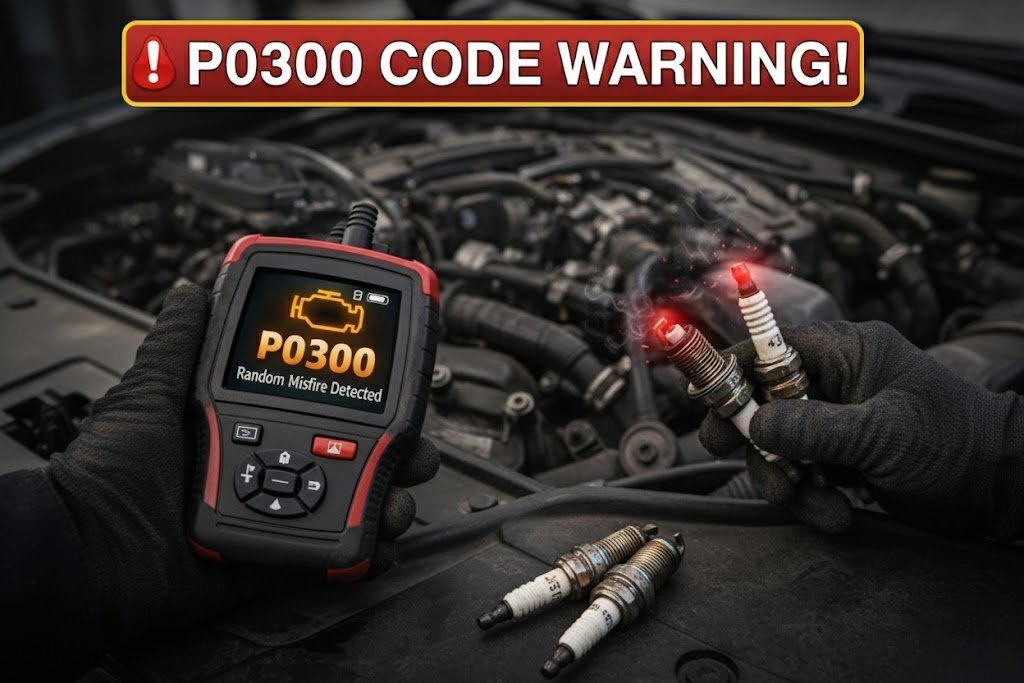
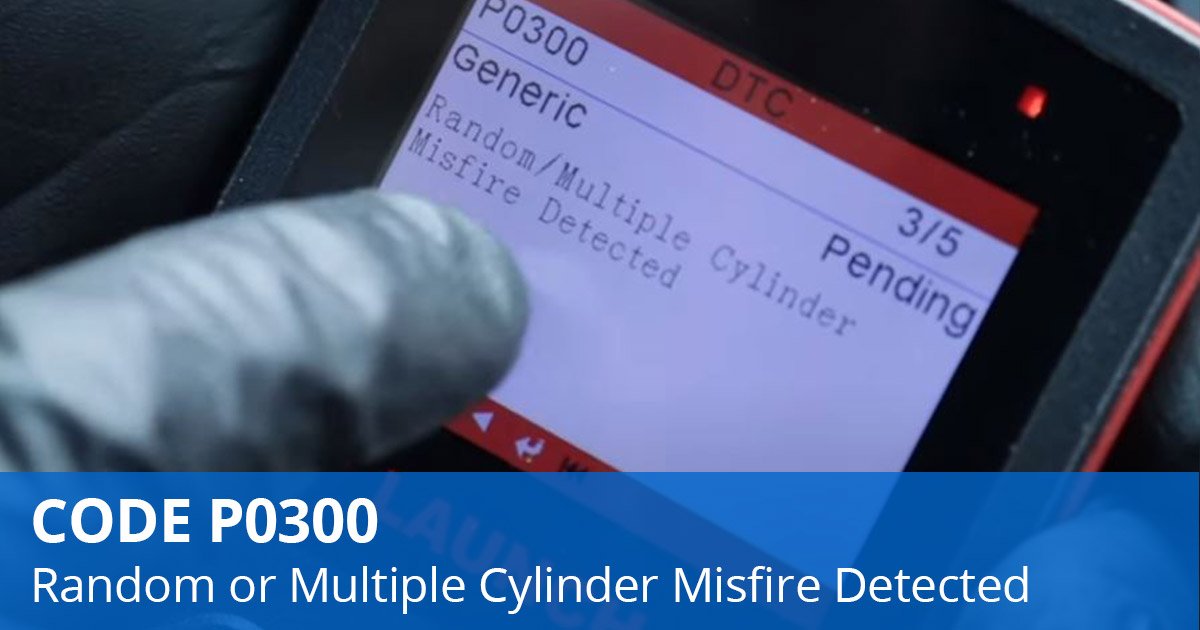
The P0300 code is a universal diagnostic trouble code used by most car brands. When your car’s engine control module (ECM) detects that one or more cylinders are misfiring in a random or multiple way, it stores this code. Unlike other codes like P0301 (cylinder 1 misfire) or P0302 (cylinder 2 misfire), P0300 means that the misfire is not limited to just one cylinder.
A misfire happens when the air-fuel mixture inside a cylinder doesn’t ignite properly. This can cause rough running, poor fuel economy, and even damage your engine if ignored.
How Does A P0300 Code Affect Your Car?
When a P0300 code appears, the engine may:
- Run rough or shake, especially at idle
- Lose power during acceleration
- Use more fuel than usual
- Hesitate or stall
- Have a flashing check engine light (which means the misfire is severe)
If you keep driving with this code, you risk damaging your catalytic converter. This part is expensive to replace, so it’s best to fix the problem quickly.
Credit: londonmotorsports.co.uk
Common Causes Of The P0300 Code
There are many possible reasons for a random/multiple cylinder misfire. Here are the most common causes:
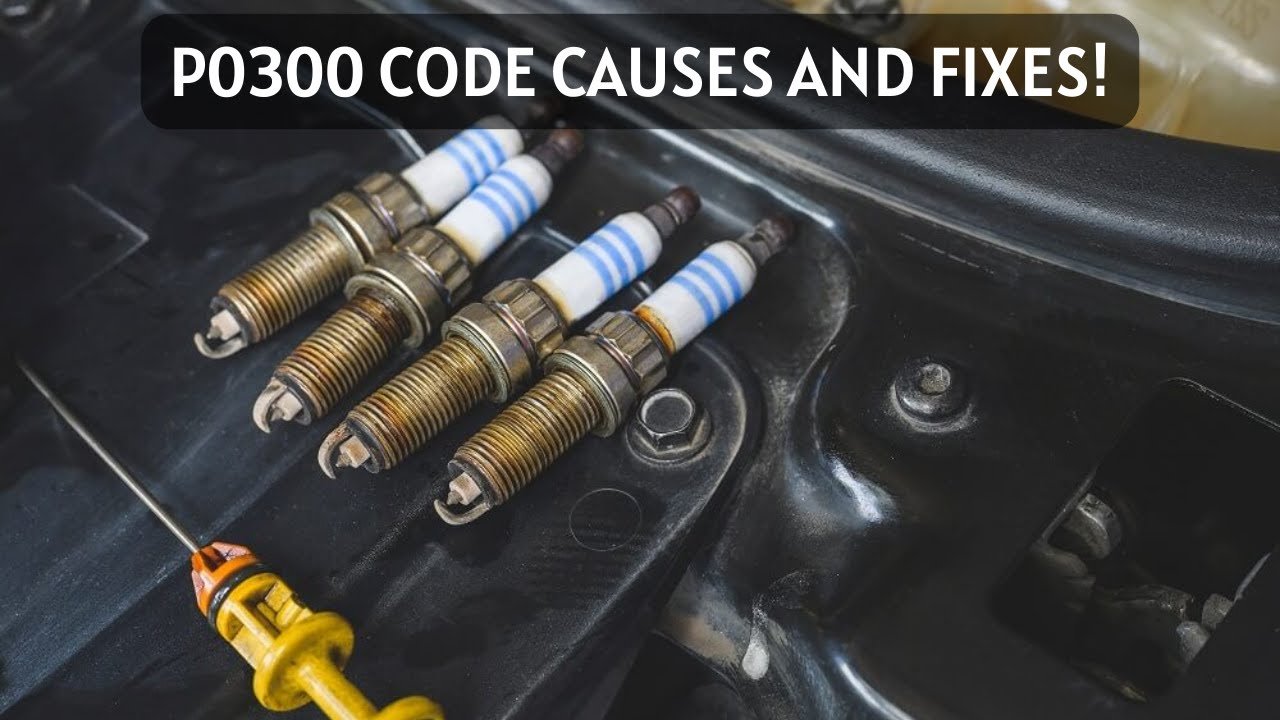
- Faulty spark plugs – Worn or dirty spark plugs can’t ignite fuel well.
- Bad ignition coils – These parts deliver power to the spark plugs.
- Damaged spark plug wires – Old or cracked wires can cause weak or no spark.
- Vacuum leaks – Extra air entering the engine can mess up the fuel mix.
- Fuel injector problems – Blocked or faulty injectors can’t deliver fuel correctly.
- Low fuel pressure – A weak fuel pump or dirty fuel filter starves the engine.
- Timing issues – Problems with timing belts or chains affect when the spark occurs.
- Sensor failures – Bad mass airflow (MAF), crankshaft, or camshaft sensors give wrong data.
- EGR valve faults – If stuck open, the EGR valve lets too much exhaust into the engine.
- Engine mechanical problems – Low compression, worn valves, or bad head gaskets.
- Bad battery or charging system – Weak voltage can cause misfires, though rare.
Often, more than one cause can exist at the same time. For example, an old car might have both worn spark plugs and a small vacuum leak.
Diagnosing The P0300 Code
Finding the exact cause of a P0300 code takes a careful approach. Mechanics use a combination of tools and tests:
1. Obd-ii Scanner
Connect a scan tool to your car’s OBD-II port. This shows not just P0300 but also other related codes (like P0171 for lean mixture or P0350 for ignition coil problems). Freeze frame data can tell you what was happening when the code set—such as engine speed, temperature, and load.
2. Visual Inspection
Look for:
- Cracked or worn spark plug wires
- Loose or disconnected vacuum hoses
- Oil or water around spark plugs
Sometimes, a simple visual check reveals the problem.
3. Checking Spark Plugs And Ignition Coils
Remove the spark plugs. Are they black, wet, or worn? Check for cracks or carbon tracks on the ignition coils.
4. Fuel System Testing
Measure fuel pressure with a special gauge. Compare it to your car’s specs. If it’s too low, the fuel pump or filter could be bad.
5. Compression Test
A compression test measures the health of engine cylinders. Low compression in one or more cylinders can cause misfires.
6. Sensor Testing
Use the scanner’s live data to check readings from the MAF, oxygen sensors, and crank/cam sensors. Sudden drops or out-of-range values can point to the cause.
7. Smoke Test
A smoke machine can find small vacuum leaks that are hard to see.
Important insight: Many beginners skip the “basics” and jump to expensive parts. Start with the simple checks—you’ll save money and time.
Step-by-step Fixes For The P0300 Code
Fixing a P0300 code depends on what’s wrong. Here are the most common repair steps, from easiest to hardest:
- Replace spark plugs – Use the type recommended in your car’s manual. Gapping them correctly matters.
- Change ignition coils or wires – Replace any that are cracked or test bad.
- Fix vacuum leaks – Tighten hoses, replace gaskets, or fix intake leaks.
- Clean or replace fuel injectors – Use injector cleaner or professional cleaning for stubborn clogs.
- Change the fuel filter – If fuel pressure is low, a new filter can help.
- Test and replace sensors – Especially the MAF and crankshaft sensors.
- Repair timing problems – Replace worn timing belts, chains, or tensioners.
- Address engine mechanical issues – Worn valves or bad head gaskets require a mechanic.
Practical Example
Let’s say your car starts misfiring after a heavy rain. You check the spark plug wires and find moisture inside. Drying them out and replacing cracked wires fixes the P0300 code. This shows why a step-by-step approach works better than guessing.
Two Non-obvious Insights
- Bad gasoline can cause misfires. If you recently filled up at a new station and the problem started, try running a tank of high-quality fuel and see if it helps.
- Battery and charging issues: A weak battery or failing alternator can reduce spark energy, especially during cold starts. Always check your battery’s health if you have random misfires.
Cost Of Fixing A P0300 Code
Costs depend on what’s wrong and if you do the work yourself. Here’s a comparison of average costs for common repairs:
| Repair | DIY Cost (USD) | Shop Cost (USD) |
|---|---|---|
| Spark Plugs | $20–$60 | $100–$250 |
| Ignition Coils | $40–$120 | $150–$350 |
| Vacuum Leak Fix | $5–$30 | $100–$200 |
| Fuel Injectors (clean/replace) | $10–$80 | $150–$400 |
| Fuel Filter | $15–$45 | $70–$160 |
| Sensors | $20–$100 | $120–$350 |
Remember, if the misfire is due to engine damage, repairs can run into the thousands.
Credit: blog.1aauto.com
P0300 Vs. Other Misfire Codes
You might also see codes like P0301 (cylinder 1), P0302 (cylinder 2), and so on. Here’s how they compare:
| Code | Meaning | Typical Cause |
|---|---|---|
| P0300 | Random/multiple cylinder misfire | General ignition, fuel, or air issues |
| P0301–P0308 | Single cylinder misfire (1–8) | Faulty plug, coil, or injector for that cylinder |
P0300 is trickier to diagnose because it points to a general problem, not just one part.
How To Prevent A P0300 Code
While not all misfires can be prevented, regular maintenance helps a lot:
- Change spark plugs and wires on schedule
- Use good quality fuel
- Replace air and fuel filters as recommended
- Check for vacuum leaks during oil changes
- Fix any check engine light as soon as it appears
Pro tip: If you drive short trips often, carbon can build up in the engine. Taking your car for a longer highway drive sometimes helps burn off deposits and prevent misfires.
When To See A Mechanic
If you:
- Have a flashing check engine light
- Notice loss of power or stalling
- Can’t find the cause after basic checks
…it’s time to see a professional. Ignoring misfires can cause expensive engine damage.
Real-world Example
A 2012 Toyota Camry came to the shop with a P0300 code. The owner had replaced the spark plugs, but the problem stayed. A smoke test found a small vacuum leak at the intake manifold gasket. Once the gasket was replaced, the car ran perfectly.
This shows that even experienced owners can miss less obvious causes.
Credit: www.youtube.com
Data: Common Vehicles With P0300 Issues
Some cars are more likely to have P0300 codes due to design or age. According to recent repair shop surveys:
| Vehicle Model | Frequent Cause of P0300 |
|---|---|
| Chevrolet Silverado | Worn spark plugs, ignition wires |
| Toyota Camry | Vacuum leaks, ignition coils |
| Honda Accord | Fuel injector clogs |
| Nissan Altima | MAF sensor faults |
| Ford F-150 | Timing chain stretch |
This doesn’t mean your car will have these problems, but it’s useful to know if you own one.
For further reading, you can check the official OBD-II PID Wikipedia page.
Frequently Asked Questions
What Does The P0300 Code Mean In Simple Terms?
P0300 means your car’s engine is misfiring in more than one cylinder, and the computer can’t say exactly which ones. The engine isn’t running smoothly, and it needs attention soon.
Can I Drive With A P0300 Code?
You can drive for a short distance if the car feels okay and the check engine light isn’t flashing. But if the car shakes badly or the light flashes, stop driving and fix the problem to avoid damage.
How Serious Is A P0300 Code?
It’s usually serious because misfires can damage the catalytic converter and other parts. Some causes are simple, but others can lead to expensive repairs if ignored.
Will A Tune-up Fix The P0300 Code?
Sometimes a tune-up (new spark plugs, wires, filters) fixes the code. But if there’s a vacuum leak, fuel issue, or engine problem, more work is needed. Always diagnose before replacing parts.
How Do I Reset The P0300 Code?
After fixing the cause, you can clear the code with an OBD-II scanner. If the problem is gone, the code won’t return. If it comes back, more diagnosis is needed.
Fixing a P0300 code takes patience and a careful approach. With the right steps, you can solve the problem and keep your engine healthy for years to come.