
The P0446 Evap Vent Control Circuit is a code that can confuse many car owners and even some mechanics. If you have seen this code pop up on your vehicle’s diagnostic system, you probably have questions about what it means and how serious it is. Let’s break down everything you need to know about P0446, from what it is, to why it happens, and how you can fix it. Understanding this code is important, because it connects directly to how your car manages fuel vapors and emissions. If left unchecked, it can affect both your car’s performance and the environment.
What Is The P0446 Evap Vent Control Circuit?
The P0446 code is a generic OBD-II trouble code that relates to a vehicle’s Evaporative Emission Control System (EVAP). The main job of the EVAP system is to keep fuel vapors from escaping into the atmosphere. Your car has sensors and valves that control and monitor these vapors. When the vent control circuit part of the system does not operate as expected, the engine control module (ECM) detects a problem and triggers code P0446.
In simple terms, P0446 means the vent control valve is not functioning correctly. This valve helps release the right amount of fuel vapor from the charcoal canister to the engine to be burned, instead of letting the vapors escape outside.
Symptoms Of P0446
You might not notice any clear signs when this code appears, but some symptoms are common:
- Check Engine Light: The most obvious sign is the check engine light turning on.
- Slight Drop in Performance: Sometimes, you may notice a small decrease in fuel efficiency.
- Fuel Smell: In rare cases, you might smell fuel vapor near your car, especially around the fuel tank area.
- Failed Emissions Test: Your car may not pass inspection due to higher emissions.
These signs are not always obvious, and sometimes P0446 is the only clue. That’s why regular diagnostic checks are important.
How The Evap System Works
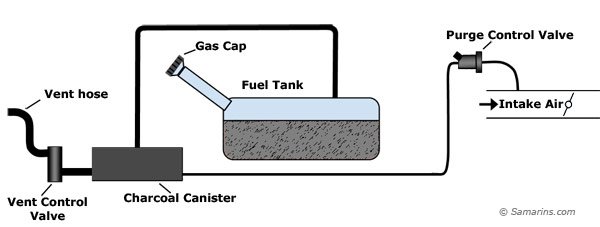
To understand P0446, it helps to know the basics of how the EVAP system works. This system is designed to trap and reuse fuel vapors. Here’s a simple breakdown:
- Fuel tank: Stores gasoline, which gives off vapors.
- Charcoal canister: Captures and holds fuel vapors.
- Purge valve: Controls when vapors move from the canister to the engine.
- Vent valve: Lets fresh air into the canister to purge vapors.
When the engine is running and conditions are right, the purge and vent valves open, and vapors are drawn into the engine and burned. The ECM monitors the circuit and expects a certain response from the vent valve. If the response is not correct, code P0446 is set.
Common Causes Of P0446
There are several possible reasons for a P0446 code. Here are the most frequent:
- Faulty vent control valve: The valve itself may be broken or stuck.
- Damaged vent valve wiring: Wires or connectors may be corroded or disconnected.
- Clogged or blocked vent line: Dirt, debris, or spider webs can block the line.
- Defective charcoal canister: The canister may be saturated or leaking.
- Faulty ECM: The engine control module may have a software or hardware problem (rare).
- Loose or missing gas cap: This is a common but often overlooked cause.
Credit: www.youtube.com
Diagnosing P0446
If you see the P0446 code, it is important to perform a careful diagnosis. Here are steps a mechanic might follow:
- Scan for codes: Use an OBD-II scanner to confirm P0446 and check for other codes.
- Visual inspection: Look for obvious damage to hoses, wires, or the canister.
- Check gas cap: Make sure the cap is tight and in good condition.
- Test vent valve operation: Use a multimeter or scan tool to check the vent valve’s function.
- Check for blockages: Inspect lines and canister for clogs or dirt.
- Smoke test: Some shops use a smoke machine to find leaks or restrictions in the EVAP system.
A careful diagnosis is important. Replacing parts without checking the real cause can waste time and money.
How To Fix P0446
Once you know the cause, fixing P0446 can be simple or a bit more involved. Here’s what you should do:
1. Replace Or Tighten The Gas Cap
This is the easiest and cheapest fix. A loose or bad gas cap often triggers EVAP codes. Replace with an OEM cap and clear the code to see if it returns.
2. Replace The Vent Control Valve
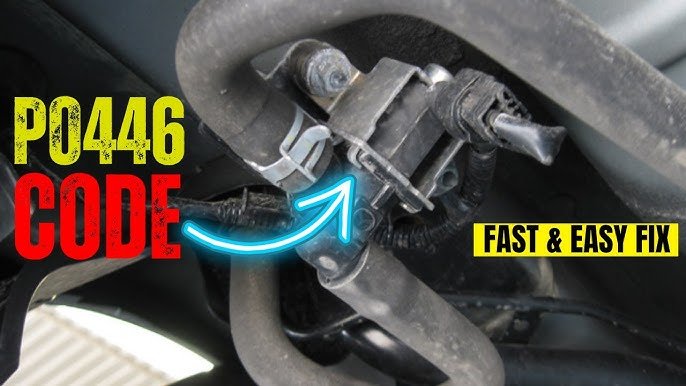
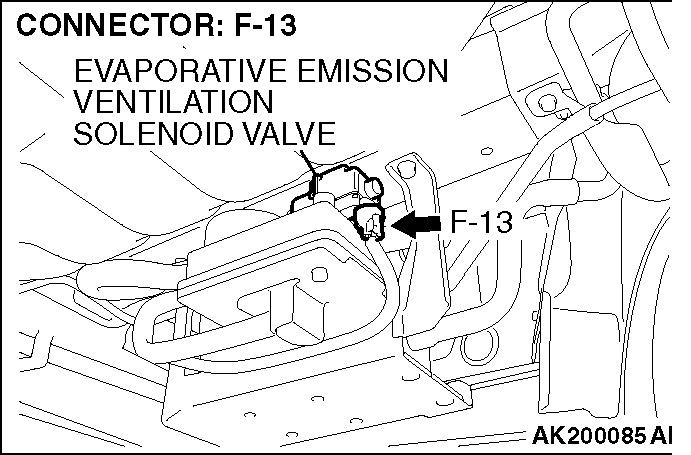
If the valve is faulty or stuck, replacement is needed. The valve is usually near the charcoal canister, but location can vary by car model.
3. Repair Wiring Or Connectors
Wiring problems can cause the circuit to fail. Look for broken wires, rusted connectors, or loose plugs and fix as needed.
4. Clean Or Replace The Charcoal Canister
A clogged or damaged canister can block vapor flow. Replacement is usually required, as cleaning is not always effective.
5. Remove Blockages In The Vent Line
Clear out any debris, dirt, or insects from the vent line. This is common in cars parked outdoors.
6. Update Or Replace The Ecm
In rare cases, the ECM may need a software update or replacement. This should be done only after all other causes are ruled out.
Cost Of Repair
Costs vary depending on the cause and your vehicle. Here’s a quick look at typical costs:
| Component/Service | Estimated Cost (USD) |
|---|---|
| Gas Cap | 10 – 30 |
| Vent Control Valve | 50 – 200 |
| Charcoal Canister | 150 – 600 |
| Wiring Repair | 50 – 150 |
| Diagnostic Smoke Test | 70 – 120 |
Labor costs depend on the shop and your car’s design. Always get a quote before authorizing repairs.
P0446 Vs. Other Evap Codes
It’s easy to confuse P0446 with other EVAP-related codes. Here’s how it compares to some common ones:
| Code | Meaning | Main Cause |
|---|---|---|
| P0440 | EVAP System Malfunction | General leak or problem |
| P0441 | Incorrect Purge Flow | Purge valve issue |
| P0442 | Small Leak Detected | Loose cap, small crack |
| P0446 | Vent Control Circuit | Vent valve or circuit issue |
Knowing the difference helps target the right fix. For P0446, focus on the vent valve and its circuit first.
Prevention Tips
You can reduce the risk of a P0446 code by following some simple habits:
- Always tighten your gas cap until you hear a click.
- Replace the gas cap if it looks worn or cracked.
- Avoid overfilling your gas tank.
- Keep the area around the fuel tank clean.
- Have the EVAP system checked during routine maintenance.
These actions can prevent most EVAP-related problems.
Non-obvious Insights
Many car owners miss two important points about P0446:
- P0446 can be triggered by environmental factors. For example, driving on dirt roads or parking in areas with many insects can lead to vent line blockages. Regularly check the vent line if you live in these areas.
- Aftermarket gas caps often cause trouble. Many replacement caps are not built to the same standards as original parts. If you replace your gas cap and the code returns, try using an OEM cap.
Credit: www.samarins.com
When To See A Mechanic
If you’ve checked the gas cap and inspected visible parts but the code remains, it’s smart to see a professional. EVAP system repairs can require special tools, such as smoke machines, and advanced diagnostic skills. Ignoring the problem can lead to a failed emissions test or more costly repairs later.
Real-world Example
Let’s consider a typical case. A driver sees the check engine light and gets a P0446 code. The gas cap seems fine. After a quick visual check, the mechanic finds spider webs blocking the vent line. Cleaning the line fixes the issue, and the code clears.
This example shows that sometimes the fix is simple, but a careful check is always needed.
Impact On Emissions And The Environment
A malfunctioning EVAP system lets gasoline vapors escape into the air. These vapors are harmful to both health and the environment. Cars with a P0446 code can release more hydrocarbons, which contribute to smog and air pollution. Fixing the issue is not just about passing inspection—it helps keep the air cleaner for everyone.
Diy Or Professional Repair?
Some P0446 problems can be fixed by a car owner, especially if the cause is a loose gas cap or a blocked vent line. However, more complex issues, like a faulty vent valve or a damaged canister, usually require a mechanic.
If you are comfortable with basic tools and safety, start with the simple checks. For anything more, get expert help.
The Future Of Evap Systems
Modern cars continue to add sensors and smarter controls to reduce emissions. Some newer models can even detect very small leaks and alert the driver sooner. Staying up to date with your car’s maintenance schedule and using the right parts is more important than ever.
For more technical details about EVAP systems, you can check the Wikipedia entry on EVAP systems.
Frequently Asked Questions
What Does P0446 Mean On My Car?
P0446 means there is a problem with the EVAP vent control circuit. The system is not releasing fuel vapors as it should. This is usually related to the vent valve, wiring, or a blockage.
Can I Drive With A P0446 Code?
You can usually drive with a P0446 code without immediate risk. However, it can lead to higher emissions and may cause your car to fail an inspection. It’s best to fix the issue soon.
How Do I Fix P0446 Myself?
Start by checking the gas cap. If it’s loose or damaged, replace it. Also, inspect for any obvious blockages or broken wires around the EVAP system. If the problem remains, professional diagnosis is recommended.
Will P0446 Cause My Car To Fail Emissions?
Yes, in most states, a P0446 code will cause your car to fail emissions testing because it means the EVAP system is not controlling fuel vapors as required.
Is P0446 Related To Fuel Economy?
Usually, P0446 does not have a big effect on fuel economy. In rare cases, you might see a small drop in efficiency, but the main concern is emissions, not fuel use.
Understanding and fixing the P0446 Evap Vent Control Circuit code helps keep your car running clean and smooth. Pay attention to warning lights and act early—your wallet and the environment will thank you.
Credit: mitsubishitechinfo.com