
Thank you for clarifying your needs. Here is an expert-level, in-depth article covering everything a car owner or mechanic should know about the P0520 Oil Pressure Sensor Circuit code. This article is written with clear explanations, practical guidance, and real-world examples, making it useful for non-native English speakers and anyone looking to understand and fix this code.
—
P0520 Oil Pressure Sensor Circuit: Meaning, Causes, Symptoms, And Solutions
Seeing the check engine light come on can make any driver nervous. If you read your car’s codes and see P0520, you might not know what it means right away. This code is directly connected to your vehicle’s oil pressure sensor circuit—a critical part of your engine’s health. Let’s break down what P0520 means, why it happens, how to fix it, and what to avoid, so you can keep your engine running smoothly.
—
What Does The P0520 Code Mean?
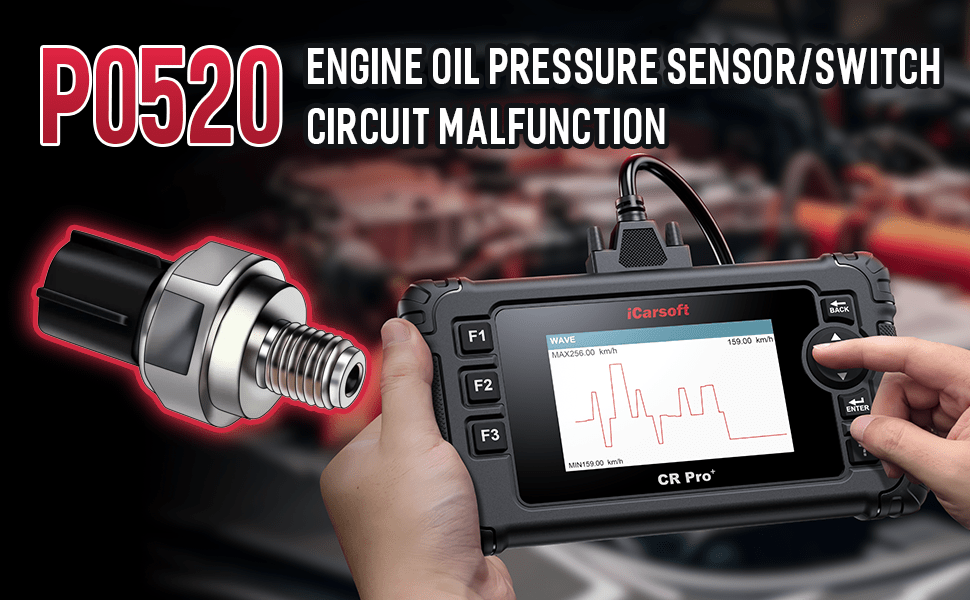
The P0520 code is a “generic powertrain” code, which means it applies to all OBD-II vehicles (1996 and newer). When your car’s computer (ECU) detects a problem with the oil pressure sensor circuit, it stores this code.
The oil pressure sensor (sometimes called the oil pressure switch or sending unit) measures the oil pressure inside your engine. This information is sent to the computer and sometimes to your dashboard gauge. If the signal from the sensor does not match expected values, or if the computer detects a problem with the sensor’s wiring, the P0520 code is set.
Why Oil Pressure Matters
Oil pressure is what keeps your engine’s moving parts properly lubricated. If oil does not move at the right pressure, engine parts can rub together and cause serious damage. That’s why a problem with the oil pressure sensor should never be ignored.
—
Common Causes Of P0520
Understanding what causes the P0520 code can help you diagnose the problem faster and avoid unnecessary repairs. Here are the most frequent reasons:
1. Faulty Oil Pressure Sensor
The sensor itself can wear out or break. Most often, this is the main cause of the P0520 code.
2. Damaged Or Shorted Wiring
Wires that connect the oil pressure sensor to the ECU can become damaged, corroded, or loose. Oil leaks can also cause short circuits.
3. Bad Electrical Connectors
The connectors at the sensor can get dirty, corroded, or loose, leading to poor contact.
4. Low Or Dirty Engine Oil
If the oil level is too low or the oil is thick and dirty, it can affect pressure readings and trigger the code.
5. Oil Filter Issues
A clogged or incorrect oil filter can change oil pressure and confuse the sensor.
6. Faulty Oil Pump
In rare cases, a failing oil pump can cause real low oil pressure, which the sensor reports.
7. Problems Inside The Engine
Blocked oil passages or worn engine bearings can lower oil pressure and trigger the code.
Two Non-obvious Insights
- Aftermarket Sensors Can Cause Issues: Sometimes, cheap aftermarket sensors do not send the right signal, triggering the code even if oil pressure is fine.
- Intermittent Wiring Problems: Wires may only fail under heat or vibration. This means the code may come and go, making diagnosis harder.
—
Symptoms You May Notice
When the P0520 code appears, you may see one or more of these symptoms:
- Check Engine Light: The most obvious sign is the check engine light on your dashboard.
- Oil Pressure Warning Light: Some cars have a separate oil pressure warning light. It may flash or stay on.
- Noisy Engine: If the oil pressure is really low, you may hear ticking, knocking, or clattering noises from the engine.
- Oil Pressure Gauge Reading Strange: If your car has an oil pressure gauge, it might show zero, maximum, or jump around.
- Poor Engine Performance: In rare cases, the computer may limit engine power to prevent damage.
Important Note
If you hear loud engine noise or see the oil pressure light, turn off the engine right away. Running the engine with low oil pressure can destroy it in a few minutes.
—
How To Diagnose The P0520 Code
Correct diagnosis is key to saving time and money. Here is a clear, step-by-step process to find the real cause:
1. Check Engine Oil Level And Condition
- Open the hood and pull out the dipstick.
- Wipe clean, insert, and check the oil level. Add oil if it’s low.
- Look at the color and thickness. Dirty or sludgy oil should be changed.
2. Look For Obvious Problems
- Inspect the oil pressure sensor for oil leaks or damage.
- Check wiring and connectors for loose, broken, or oily connections.
3. Scan For Codes And Freeze Frame Data
- Use an OBD-II scanner to read all stored codes, not just P0520. Other codes can give clues (like P0521, P0522, etc. ).
- Freeze frame data shows what was happening when the code was set—this helps spot real low oil pressure.
4. Test The Oil Pressure Sensor
- Unplug the sensor and check for oil inside the connector (a sign of a leaking sensor).
- Use a multimeter to check resistance or voltage (compare to your car’s service manual).
- If possible, install a mechanical oil pressure gauge to see the real oil pressure.
5. Inspect Wiring Continuity
- Wiggle the harness and watch the gauge or scan tool for changes.
- Check for voltage at the sensor connector with the key on.
6. Replace Parts As Needed
- If the sensor is bad, replace it.
- If wiring is broken, repair or replace the harness.
- If oil pressure is really low, do not drive—fix engine or oil pump problems first.
Example: Step-by-step
Imagine you have a 2012 Chevy Silverado with code P0520. You check the oil—level is good, but the oil is old and dirty. The sensor is covered in oil and the connector is wet. You replace the sensor and the code goes away. According to the U.S. Environmental Protection Agency, vehicle emissions standards and onboard diagnostic systems are designed to identify problems that can increase pollution.
This is a common, real-world fix.
—
How To Fix The P0520 Code
Once you know the cause, repair is usually straightforward.
1. Replace The Oil Pressure Sensor
- Make sure the engine is cool.
- Unplug the sensor’s connector.
- Use a wrench to remove the old sensor.
- Install the new sensor, snug but not overtight.
- Plug in the connector. Start the engine and check for leaks.
2. Repair Or Replace Wiring
- Clean any oil off connectors with electrical contact cleaner.
- Fix broken wires or terminals.
- Use heat-shrink tubing or proper connectors for repairs.
3. Change The Engine Oil And Filter
- Drain old oil and replace it with the right grade and amount.
- Use a quality oil filter that matches your car.
4. Address Engine Or Oil Pump Problems
- If you measure low oil pressure with a mechanical gauge, do not drive.
- Have a mechanic check the oil pump, engine bearings, and oil passages.
5. Clear The Code And Test Drive
- Use your scan tool to erase the code.
- Drive for several miles and see if the code returns.
- If the code stays away, the problem is fixed.
—
Common Mistakes When Fixing P0520
Many people make these errors when trying to repair P0520:
- Guessing and Replacing Parts Blindly: Always diagnose first—don’t replace the sensor without checking the oil and wiring.
- Ignoring Oil Leaks: Oil leaking into connectors can damage wiring over time.
- Using Cheap Sensors: Low-quality parts may not last or may give false readings.
- Not Resetting the Code: After repair, always clear the code and test drive.
- Driving with Low Oil Pressure: This can destroy your engine—never risk it.
—
When To Call A Professional Mechanic
Some situations need expert help:
- The code comes back after sensor or wiring replacement.
- Real low oil pressure is measured.
- You hear loud engine noises.
- There are other engine codes or the car won’t start.
A trained mechanic has the tools and experience to test oil pressure, check wiring, and inspect the engine safely.
—
Preventing P0520 In The Future
Prevention can save you money and stress:
- Change Oil Regularly: Use the right oil and filter for your car. Dirty oil can cause sensor and pressure problems.
- Inspect for Leaks: Look under your car and around the sensor for oil leaks. Fix leaks early.
- Check Wiring During Service: Ask your mechanic to check sensor wiring during oil changes.
- Avoid Cheap Parts: Use quality parts from trusted brands.
- Pay Attention to Warning Lights: Never ignore the oil pressure or check engine light.
—
Frequently Asked Questions (faqs)
Q: Can I drive with the P0520 code?
A: Only if you are sure the problem is the sensor or wiring and not real low oil pressure. If the oil pressure warning light is on, or the engine is noisy, stop driving immediately.
Q: How much does it cost to fix P0520?
A: Most repairs cost between $50 and $200. Replacing the sensor is usually on the lower end. If the oil pump or engine is bad, it can cost much more.
Q: How long does it take to fix?
A: Replacing the sensor takes about 30–60 minutes for most cars. Wiring repairs can take longer, depending on the damage.
Q: Will the check engine light go off by itself?
A: Sometimes, if the problem is fixed, the light goes off after a few drives. But usually, you need to clear the code with a scan tool.
Q: Is this a common problem?
A: Yes, especially in higher-mileage vehicles or cars with oil leaks.
—
Additional Resources
If you want to see more about OBD-II codes and oil pressure systems, [you can learn more here](https://www.obd-codes.com/p0520.html) for advanced details and diagrams.
—
Final Thoughts
The P0520 code is your car’s way of warning you about possible oil pressure problems. While it can be caused by a simple sensor failure, it can also point to bigger issues. Always check your engine oil, inspect the sensor and wiring, and never ignore warning lights.
Taking care of this code quickly can save your engine and your wallet.
With the right steps and careful attention, most car owners can fix P0520 themselves. But if you are unsure, ask a professional—protecting your engine is always worth it.
Credit: www.icarsoft-us.com
