
Plug-in Hybrid Charging Guide
Plug-in hybrid vehicles (PHEVs) are becoming more popular as drivers look for ways to save fuel and reduce emissions, without giving up the flexibility of a gasoline engine. But many new owners quickly wonder: How do I charge my plug-in hybrid? How long does it take? What’s the best way to keep my battery healthy? This guide answers all your questions about plug-in hybrid charging, helping you get the most out of your car.
Understanding Plug-in Hybrid Charging Basics
A plug-in hybrid combines a gasoline engine with an electric motor and battery. You can fill the gas tank as usual, but you also recharge the battery by plugging in. This gives you a short electric driving range—often 20 to 50 miles—before the gas engine takes over.
Charging a plug-in hybrid is much simpler than many people think. You don’t need special knowledge or technical skills. If you can charge a smartphone, you can charge a PHEV.
Key insight: Unlike full electric cars, running out of battery on a PHEV is not a problem. The car will simply switch to gasoline power.
Charging Options For Plug-in Hybrids
There are three main ways to charge your plug-in hybrid:
1. Standard Wall Outlet (level 1)
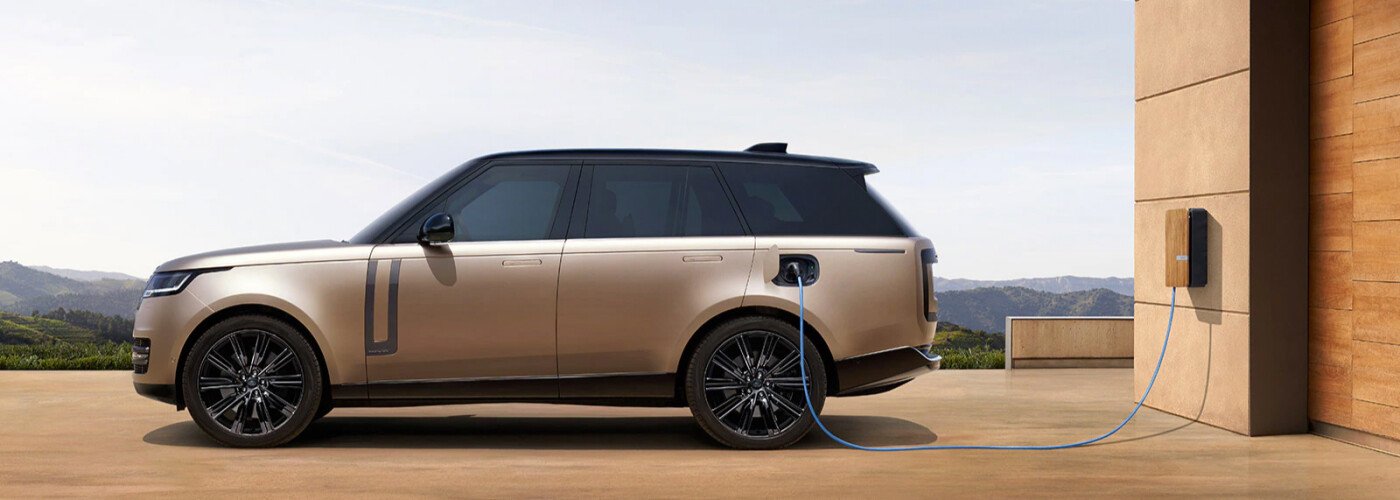
Every plug-in hybrid comes with a charging cable that fits a regular household outlet (120V). Plug it into any standard socket—at home or at work.
- Charging time: 6–12 hours for a full charge, depending on battery size
- Best for: Overnight charging, daily top-ups
2. Home Charging Station (level 2)
A Level 2 charger uses a 240V outlet, like those for dryers or ovens. These chargers are faster and can be installed in your garage or driveway.
- Charging time: Usually 2–4 hours for a full charge
- Best for: Quick top-ups, larger batteries, or multiple daily drives
3. Public Charging Stations
Many cities now offer public charging points in parking lots, shopping centers, and workplaces. Most public stations are Level 2, but some may offer fast DC charging (not always compatible with PHEVs).
- Charging time: Similar to home Level 2—2 to 4 hours
- Best for: Charging away from home, longer trips
Non-obvious tip: Not all plug-in hybrids can use fast DC chargers. Check your car’s manual to see what’s supported.
Credit: www.hyundaiathens.com
Charging Connectors And Compatibility
Plug-in hybrids mostly use the J1772 connector for Level 1 and Level 2 charging in North America. In Europe, the Type 2 connector is standard.
Some important details:
- Your car’s charging port is usually near the front fender or rear quarter panel.
- Most public stations support J1772/Type 2.
- Tesla chargers require an adapter for non-Tesla cars.
Insight: Always carry your car’s portable charging cable in the trunk. Some public stations require you to bring your own cable.
Charging Costs: What To Expect
Plug-in hybrid charging is much cheaper than gasoline, but costs depend on electricity rates.
Let’s compare the costs for a typical PHEV with a 14 kWh battery:
| Charging Option | Average Cost (USD) | Electric Range Added |
|---|---|---|
| Home (off-peak) | $1.70 per full charge | 25–50 miles |
| Home (peak hours) | $2.40 per full charge | 25–50 miles |
| Public charger | $2.50–$4.00 per charge | 25–50 miles |
| Gasoline (for same miles) | $3.50–$5.00 | 25–50 miles |
Charging at home is usually the cheapest. Public stations may add small fees, but they’re still usually less expensive than fuel.
Practical tip: Some workplaces offer free charging for employees—check with your HR department.

Credit: support.lexus.com
Step-by-step: How To Charge Your Plug-in Hybrid
Charging is safe and easy. Here’s how to do it right:
- Park and turn off your car. Make sure you’re close enough to the charging point.
- Open the charging port. This is usually a small door, similar to a fuel door.
- Plug in the connector. Insert the charging cable until you hear a click.
- Check for charging lights. Most cars have a light that shows charging has started.
- Wait for charging to finish. You can leave the car unattended; it will stop charging automatically.
- Unplug and close the port. Coil the cable and store it properly.
Expert advice: Always start charging before your battery is totally empty. This reduces stress on the battery and keeps you ready for unexpected trips.
Charging Times For Popular Plug-in Hybrids
How long does it take to charge? It depends on your car and the charger. Here’s a quick look at some popular models:
| Model | Battery Size (kWh) | Level 1 (120V) | Level 2 (240V) | Electric Range (miles) |
|---|---|---|---|---|
| Toyota Prius Prime | 8.8 | 5.5 hours | 2 hours | 25 |
| Honda Clarity PHEV | 17 | 12 hours | 2.5 hours | 48 |
| Ford Escape PHEV | 14.4 | 10–11 hours | 3.5 hours | 37 |
| Mitsubishi Outlander PHEV | 20 | 10–12 hours | 3.5 hours | 38 |
If you mainly use Level 1 charging, plan to plug in overnight. With Level 2, a long lunch break or a few hours at home is enough.
Home Charging Station Installation
Thinking about a Level 2 charger at home? Here’s what you should know:
- Electrical panel: You need a 240V circuit, like those for dryers.
- Professional installation: Hire a licensed electrician for safety and code compliance.
- Cost: Equipment and installation can range from $700 to $2,000.
Some utility companies offer rebates for charger installation. This can reduce your out-of-pocket cost.
Common mistake: Don’t choose a charger with more power than your car can accept. Most PHEVs only need a 16–32 amp charger.
Public Charging: Tips And Etiquette
Using public charging stations is simple, but there are some unwritten rules:
- Move your car when done. Don’t block a charger after you’re full.
- Don’t unplug other cars. Unless the owner is finished and you have permission.
- Use apps to find stations. Try PlugShare, ChargePoint, or your car’s built-in maps.
- Payment: Most stations accept credit cards or app payments.
Some stations require registration or a special card. Set these up in advance if you travel often.
Insider tip: Charge at your destination (work, shopping) rather than only before you leave. This uses your time more efficiently.
Maximizing Battery Health And Life
Plug-in hybrids use lithium-ion batteries that last many years if cared for. Follow these tips for a longer battery life:
- Avoid deep discharges. Plug in before the battery is empty.
- Don’t always charge to 100%. For daily use, 80–90% is enough.
- Keep the battery cool. Park in the shade during hot days.
- Use pre-conditioning. Many cars let you heat or cool the cabin while plugged in—this saves battery on the road.
Non-obvious insight: Leaving your car plugged in for days is safe. The charger will stop automatically, and modern cars manage the battery well.
Comparing Plug-in Hybrid Vs. Full Electric Charging
People sometimes wonder: How is charging a plug-in hybrid different from charging a full electric car? Here’s a quick comparison:
| Feature | Plug-In Hybrid (PHEV) | Full Electric Vehicle (EV) |
|---|---|---|
| Electric Range | 20–50 miles | 150–350 miles |
| Battery Size | 7–20 kWh | 40–100 kWh |
| Charging Time | 2–12 hours | 8–40 hours (Level 1), 4–12 hours (Level 2) |
| Gas Backup | Yes | No |
| DC Fast Charging | Rarely supported | Usually supported |
PHEVs charge faster and are less affected by charger availability. You always have gasoline as a backup.
Common Charging Mistakes To Avoid
Even experienced drivers make errors. Watch out for these:
- Forgetting to plug in. Set a reminder if needed.
- Using extension cords. These can overheat and are often unsafe.
- Blocking public chargers. Move your car when charging is done.
- Ignoring battery temperature. Charging in extreme heat or cold can harm the battery.
If you’re unsure, check your owner’s manual or ask your dealer.
Charging Apps And Tools
Modern plug-in hybrids often include useful apps for charging:
- Remote start/stop: Begin or end charging from your phone.
- Schedule charging: Set your car to charge during off-peak hours.
- Find stations: Locate public chargers on the go.
- Monitor costs: Track how much you’re spending on electricity.
Popular apps include ChargePoint, PlugShare, and your car’s own app. Download these for easier charging everywhere.
Credit: www.landroverpalmbeach.com
Charging In Different Climates
Weather affects charging and battery performance:
- Cold weather: Batteries may charge slower and lose range. Preheat the car while plugged in to save energy.
- Hot weather: Heat can reduce battery life over time. Park in the shade and avoid midday charging when possible.
Example: The Toyota Prius Prime loses about 10% of electric range in winter. Plan extra time for charging and warming up.
Planning For Long Trips
Plug-in hybrids are great for city driving, but you can also take them on long road trips. Here’s how:
- Use electric mode for short trips and city driving.
- Let the gas engine handle long stretches.
- Top up at hotels or public stations when possible.
You don’t need to worry about “range anxiety”—just fill up with gas if the battery runs out. But using electricity as much as possible will save you money.
Pro tip: Some PHEVs let you save battery power for city driving later. Learn how to use this feature for maximum savings.
Environmental Benefits Of Plug-in Hybrid Charging
Charging your plug-in hybrid with electricity is much cleaner than using gasoline. The more you plug in, the fewer emissions you produce. Even if your local power grid uses some fossil fuels, PHEVs are still cleaner overall.
According to the U. S. Department of Energy, a typical PHEV emits 30–60% less CO2 than a gasoline-only car, especially when charged regularly.
For more technical details on plug-in hybrid efficiency, see this U.S. Department of Energy page.
Frequently Asked Questions
How Often Should I Charge My Plug-in Hybrid?
Charge your PHEV as often as possible, especially after each trip. Frequent charging maximizes your electric driving and reduces fuel use.
Can I Use A Regular Extension Cord For Charging?
It’s not recommended. Extension cords can overheat and may not support the high power needed. Always use the cable provided by your car manufacturer.
Is It Bad To Leave My Car Plugged In Overnight?
No, it’s safe. Modern chargers and cars automatically stop charging when the battery is full. Overnight charging is the most convenient way for most drivers.
How Do I Find Public Charging Stations?
Use smartphone apps like PlugShare or ChargePoint. Many car navigation systems also show charging station locations.
Does Charging In The Rain Or Snow Damage My Car?
No. Charging equipment is designed to be weatherproof. Just make sure both the plug and socket are clean and dry before connecting.
Plug-in hybrids are a great step toward cleaner driving and lower fuel bills. With a little knowledge and good charging habits, you’ll enjoy smooth, worry-free driving—electric or gasoline, whenever you need.