
Checking your car’s power steering fluid level might not sound exciting, but it’s one of the easiest ways to keep your car steering smoothly and avoid expensive repairs. Many drivers ignore this simple check until they feel the steering wheel getting stiff or hear odd noises when turning. By then, small problems can become big ones. Understanding how, when, and why to check the power steering fluid can help you prevent trouble—and give you more confidence as a car owner.
This guide will walk you through everything you need to know about power steering fluid level checks. We’ll cover the basics, signs of low fluid, step-by-step instructions, choosing the right fluid, common mistakes, and troubleshooting. By the end, you’ll know exactly how to keep your steering system in top shape, even if you’re not a car expert.
What Is Power Steering Fluid And Why Is It Important?
Power steering fluid is a special hydraulic oil that helps you turn the steering wheel easily. In cars with hydraulic or electro-hydraulic power steering, this fluid creates the force that moves parts inside the steering system. Without enough fluid, the system cannot work correctly, making steering much harder and less safe.
A well-maintained power steering system means:
- Easier steering, especially at low speeds or when parking
- Less wear on mechanical parts
- Reduced risk of pump damage, which can cost hundreds to fix
In modern cars, ignoring the fluid can even trigger warning lights or cause the power steering to stop working completely.
Signs Your Power Steering Fluid Level Might Be Low
You don’t need to be a mechanic to notice when something’s wrong. Here are some clear signs of low power steering fluid:
- Steering feels heavy – If the wheel is harder to turn, especially at low speeds, you may have low fluid.
- Whining or groaning noises – Sounds when turning the wheel often mean air is in the system due to low fluid.
- Vibration in the steering wheel – If the wheel shakes when you turn, the pump may be struggling for fluid.
- Fluid leaks under the car – Look for reddish or amber fluid around the front of the vehicle.
- Steering feels jerky – The wheel may not move smoothly if the system isn’t fully pressurized.
These symptoms can also point to bigger problems, but checking the fluid is an easy first step. One insight many people miss: power steering noise can start even if the fluid is just a little low, not empty.
Credit: www.paulmillersubaru.com
How Often Should You Check Power Steering Fluid?
There’s no universal rule, but most experts recommend checking the fluid:
- Once a month for older cars (over 5 years)
- Every oil change for newer cars
If your car is leaking oil or has high mileage, check more often. Your owner’s manual will have the best advice for your specific model.
Tools And Supplies You Need
You don’t need a big toolbox to check power steering fluid. Usually, you’ll need:
- A clean rag or paper towels
- The right type of power steering fluid (if you need to top up)
- A small funnel (optional but useful for adding fluid)
- Gloves (optional, to keep hands clean)
Some newer cars use electronic power steering, which has no fluid. Always check your manual first.
Step-by-step: How To Check Power Steering Fluid Level
Let’s walk through the process. It usually takes less than 10 minutes.
1. Park And Prepare
- Park on a flat surface.
- Turn off the engine. Some cars require checking with the engine warm or running—check your manual.
- Open the hood and secure it.
2. Locate The Power Steering Reservoir
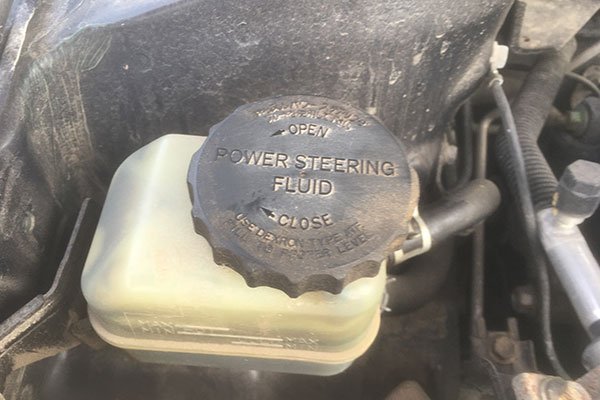
Most cars have the reservoir near the engine, often on the passenger side. Look for a small, round or rectangular container labeled “Power Steering”.
3. Clean The Cap
Wipe away any dirt or oil from the cap and surrounding area. This keeps dirt out of the system.
4. Remove The Cap And Check The Level
- Unscrew or unclip the cap.
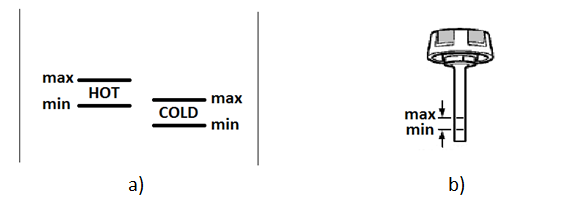
- Some reservoirs are clear or have “MIN” and “MAX” lines you can see from outside.
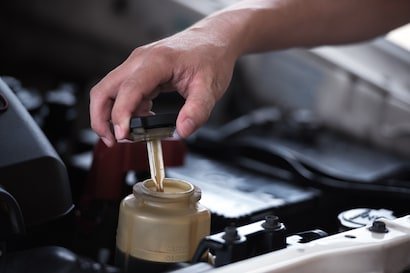
- Others have a dipstick attached to the cap. Wipe the dipstick, reinsert fully, then pull out to check the level.
5. Assess The Fluid
- The fluid should be between the MIN and MAX marks.
- If it’s below MIN, you need to add fluid.
- Check the color: It should be clear, amber, or pinkish. Dark or gritty fluid means it’s time to change it.
6. Add Fluid If Needed
- Use only the type recommended in your manual.
- Pour slowly, a little at a time, checking the level as you go.
- Don’t overfill—too much fluid can cause leaks or damage.
7. Replace The Cap And Close The Hood
Make sure the cap is secure, then close the hood.
Example: Reservoir And Dipstick Markings
Here’s a comparison of common reservoir designs and what their markings mean.
| Reservoir Type | Markings | How to Read |
|---|---|---|
| Clear plastic | MIN/MAX lines on side | Check fluid level from outside |
| Opaque with dipstick | HOT/COLD or FULL/ADD lines on dipstick | Check dipstick after wiping and reinserting |
| Metal reservoir | Small window with lines | Look through window for fluid level |
One detail beginners miss: some cars have HOT and COLD marks. Check with the engine at the right temperature, or you may get a false reading.
Choosing The Right Power Steering Fluid
Not all power steering fluids are the same. Using the wrong type can damage your steering system. Here’s what matters:
- Manufacturer’s specification – Check your owner’s manual. Some cars need special synthetic or mineral-based fluid.
- Color – Most fluids are pink, red, or amber. If your manual lists a specific color, match it.
- Brand – Stick with trusted brands recommended by your car maker.
Here’s a quick comparison of common fluid types.
| Fluid Type | Color | Used In |
|---|---|---|
| Dexron/Mercon ATF | Red | Many older cars and trucks |
| Mineral Oil | Amber/Yellow | European and Asian cars |
| Synthetic | Varies | Modern or high-performance vehicles |
If you’re unsure, ask at a reputable auto shop or refer to sources like your car’s official website or manuals. Using the wrong fluid is a common mistake and can void your warranty.
Common Mistakes When Checking Or Refilling Power Steering Fluid
Even simple tasks can go wrong. Here are mistakes people often make:
- Using the wrong fluid – Always match the type and specification.
- Overfilling – Too much fluid can cause leaks or frothing in the system.
- Checking at the wrong temperature – Some cars need the engine hot or cold for an accurate check.
- Ignoring dirty fluid – If the fluid is dark, foamy, or smells burnt, change it.
- Not cleaning the cap/area – Dirt can enter the system, causing damage.
- Forgetting to check for leaks – If fluid is always low, you may have a leak that needs fixing.
When To Change Power Steering Fluid
Checking the level is important, but fluid also needs to be changed over time. Most cars recommend a change every 50,000 to 100,000 miles, but it depends on your model and driving conditions.
Change the fluid if:
- It’s dark brown or black
- It smells burnt
- There’s visible debris inside
- You hear ongoing noises even after topping up
Fluid change is more complex than just topping up. If unsure, have a mechanic do it.
Troubleshooting Low Power Steering Fluid
If you keep losing fluid, you may have a leak. Here’s how to troubleshoot:
- Check under the car for wet spots, especially after parking overnight.
- Look at the hoses and connections for cracks or drips.
- Check the power steering pump and rack and pinion for wetness.
- If you hear loud whining even after topping up, air may be trapped in the system.
If you suspect a leak, don’t keep driving without fixing it. Power steering failure can make your car dangerous to drive.
Power Steering Fluid: Quick Facts And Data
Here’s a summary of essential facts:
| Fact | Details |
|---|---|
| Service interval | Check monthly; change every 50,000-100,000 miles |
| Symptoms of low fluid | Hard steering, whining noises, leaks |
| Cost to replace pump | $200 – $600 on average |
| Fluid color when new | Clear, pink, or amber |
Safety Tips For Handling Power Steering Fluid
- Wear gloves to avoid skin irritation.
- Don’t spill fluid on painted surfaces; it can damage paint.
- Dispose of old fluid properly—never pour down the drain.
- Store fluid in a tightly closed bottle, away from children and pets.
What To Do After Topping Up
After adding fluid:
- Start the engine and turn the steering wheel fully left and right a few times to circulate the fluid.
- Recheck the fluid level and add a bit more if needed.
- Watch for leaks or noises in the next few days.
Credit: autoedu.info
Is Power Steering Fluid Service Diy Or Mechanic Job?
Most people can check and top up fluid themselves. Changing the fluid or fixing leaks often requires special tools and experience. If you’re not comfortable, let a mechanic handle it.
Useful Resource
For more technical details on power steering systems, you can visit the Wikipedia Power Steering page.
Credit: blog.amsoil.com
Frequently Asked Questions
Why Is My Power Steering Fluid Always Low?
Constantly low fluid usually means there’s a leak somewhere. Common spots include hoses, the pump, or the steering rack. Check under your car for spots and look at connections under the hood.
Can I Use Any Brand Of Power Steering Fluid?
No. Always use the type and brand recommended in your owner’s manual. The wrong fluid can damage the system or cause steering problems.
What Happens If I Overfill The Power Steering Fluid?
Overfilling can cause leaks, foam, or even damage the seals. If you add too much, use a turkey baster or similar tool to remove the extra.
How Do I Know If My Car Uses Electronic Power Steering?
Check your manual or look under the hood. Electronic power steering (EPS) systems do not have a fluid reservoir or dipstick. Most modern cars use EPS.
Is It Okay To Drive With Low Power Steering Fluid?
It’s not safe. Low fluid makes steering hard and can quickly damage the pump. Fill it up as soon as possible, and fix any leaks to avoid expensive repairs.
Keeping your power steering fluid at the right level is simple, but makes a big difference in how your car feels and how long key parts last. A quick check every month can save you money and give you peace of mind on the road.