
When you think about machines, vehicles, or any equipment, two words often come up: preventive maintenance and reactive repair. These are not just technical terms—they shape how businesses, factories, and even homeowners take care of valuable assets. The choice between these approaches can save money, prevent headaches, and even protect lives. But what do these terms really mean? And which one is better for you? Let’s explore both, see their differences, and understand why knowing them matters more than ever.
Understanding Preventive Maintenance
Preventive maintenance is all about planning. Instead of waiting for something to break, you take action to keep everything running smoothly. This means regular checks, cleaning, replacing parts before they wear out, and following a schedule. For example, changing oil in your car every 5,000 kilometers is preventive maintenance. The goal is simple: stop problems before they start.
How Preventive Maintenance Works
A good preventive maintenance plan has several parts:
- Scheduled Inspections: Checking equipment at set times, even if nothing seems wrong.
- Routine Tasks: Actions like lubricating, cleaning, or tightening bolts.
- Part Replacements: Changing parts that wear out, such as filters or belts, on a schedule.
- Record Keeping: Tracking what was done and when for every machine.
By following these steps, you avoid surprises and keep things running longer.
Examples In Real Life
- Factories replace conveyor belts every year, even if they look fine, to avoid sudden stops.
- Airlines check planes after a set number of flights, not just when there’s a problem.
- Hospitals test backup generators every month to make sure they work during emergencies.
Key Benefits Of Preventive Maintenance
- Less Downtime: Machines break less often, so work doesn’t stop.
- Longer Equipment Life: Taking care of things makes them last longer.
- Lower Costs Over Time: Fixing small issues early is cheaper than big repairs.
- Safety: Regular checks catch dangerous problems before accidents happen.
What Is Reactive Repair?
Reactive repair is the opposite. You wait until something breaks, then fix it. This is sometimes called “run-to-failure.” It sounds simple: why fix something if it’s not broken? But this approach comes with risks.
How Reactive Repair Works
- No Regular Checks: You don’t inspect unless there’s a problem.
- Emergency Fixes: When something fails, you call a technician or mechanic.
- Unplanned Costs: You buy parts and pay for repairs as needed.
Examples In Real Life
- A homeowner waits for the air conditioner to stop working before calling for help.
- A small shop only repairs its cash register when it fails, not before.
- City buses are sometimes fixed only after they break down on the road.
Key Drawbacks Of Reactive Repair
- More Downtime: Work stops until things are fixed.
- Higher Repair Costs: Emergency fixes often cost more than planned maintenance.
- Shorter Equipment Life: Letting things run until failure can damage other parts.
- Safety Risks: Sudden failures can be dangerous, especially with heavy equipment.

Credit: ipacommercial.com
Comparing Preventive Maintenance And Reactive Repair
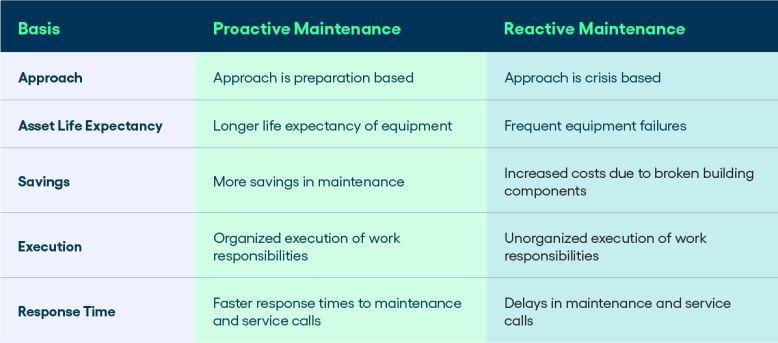
To understand these two methods better, let’s look at them side by side.
| Factor | Preventive Maintenance | Reactive Repair |
|---|---|---|
| Approach | Planned, scheduled | Unplanned, as needed |
| Downtime | Minimal, predictable | High, unpredictable |
| Costs | Lower long-term | Higher long-term |
| Safety | Improved | Lower |
| Equipment Life | Longer | Shorter |
| Record Keeping | Detailed logs | Minimal records |
When Is Preventive Maintenance Better?
Most experts agree that preventive maintenance is best for:
- Critical equipment that must never fail (like hospital machines).
- Expensive machines where breakdowns cost a lot.
- Equipment with safety risks if it fails (elevators, fire alarms).
- Places with hard-to-find spare parts, so waiting is not an option.
By keeping things in good shape, you avoid unexpected stops and high repair bills. For example, a study by the U. S. Department of Energy found that preventive maintenance can reduce equipment failures by up to 75%.
Credit: www.brightlysoftware.com
When Does Reactive Repair Make Sense?
There are times when reactive repair is the better choice:
- Low-cost items where repairs are cheap or replacements are easy.
- Non-critical equipment that won’t stop work if it fails.
- Very old equipment near the end of its life, where spending on maintenance doesn’t make sense.
For example, changing light bulbs only when they burn out is usually more practical than replacing them on a schedule.
Real-world Data And Statistics
Let’s look at some numbers to see the impact of each approach.
| Maintenance Type | Average Annual Cost per Machine | Unplanned Downtime (hours/year) | Equipment Lifespan Increase (%) |
|---|---|---|---|
| Preventive Maintenance | $2,000 | 15 | 25% |
| Reactive Repair | $3,200 | 45 | 0% |
According to the International Society of Automation, companies using preventive maintenance spend 30-40% less on repairs and enjoy 25-30% more equipment uptime.
Credit: ivctechnologies.com
Common Mistakes With Each Approach
Even with the best intentions, mistakes happen. Here are some things to watch out for:
Mistakes In Preventive Maintenance
- Over-maintaining: Doing tasks too often, wasting time and parts.
- Ignoring Data: Not updating schedules based on real equipment use.
- Poor Record Keeping: Forgetting what was done and when.
Mistakes In Reactive Repair
- Ignoring Small Problems: Small issues can grow into big, costly failures.
- No Spare Parts Ready: Waiting for parts can cause long delays.
- Overusing Temporary Fixes: Quick patches can cause more damage later.
Key Factors To Consider When Choosing An Approach
Choosing between preventive maintenance and reactive repair isn’t always easy. Here are some important things to think about:
- Criticality: How important is the equipment? If failure means lost money or safety risks, preventive maintenance is better.
- Cost: Can you afford downtime? Preventive maintenance costs more up front, but less over time.
- Age of Equipment: Older equipment may not need as much preventive care.
- Availability of Spare Parts: If parts are hard to find, plan ahead.
- Skill of Staff: Preventive maintenance requires trained workers.
Non-obvious Insights Most Beginners Miss
Many people think more maintenance is always better. But over-maintaining can waste money and parts. For example, changing oil too often does not help and only increases costs.
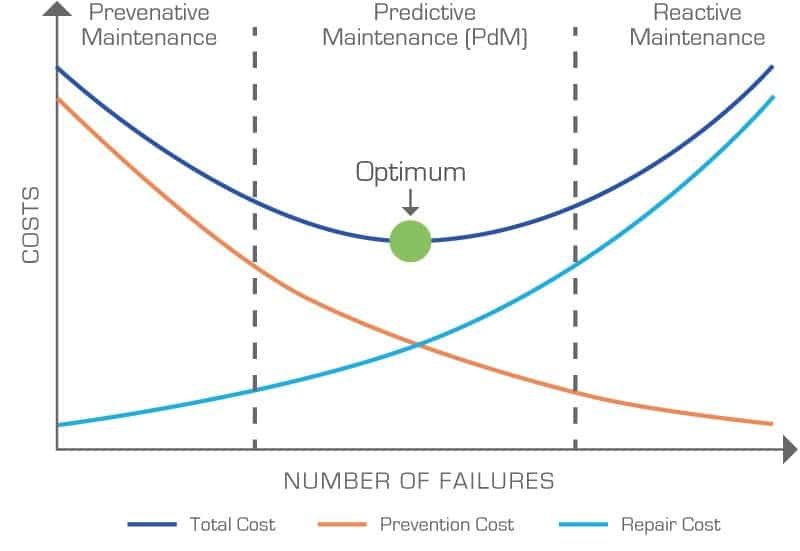
Another point: data-driven maintenance is rising. By tracking how machines are used, you can plan smarter schedules. This is called “condition-based maintenance” and sits between preventive and reactive approaches.
The Role Of Technology In Maintenance
Today, technology helps make maintenance smarter. Sensors can watch machines and send alerts when something is wrong. This is called predictive maintenance. It uses data to plan repairs only when needed, avoiding both too much and too little maintenance.
For example, modern trains have sensors that check wheel condition in real time. If a problem is found, a repair is scheduled before failure, saving money and keeping passengers safe.
Real-life Example: Factories And Maintenance Choices
Consider a food processing factory with hundreds of motors. If the motors stop, the whole line shuts down. The company tried reactive repair first, but breakdowns caused delays and waste. After switching to preventive maintenance, they cut downtime by half and saved thousands of dollars each year.
Their secret? They kept good records and used data to update their schedules, avoiding both over- and under-maintaining their machines.
How To Start A Preventive Maintenance Program
If you want to move from reactive repair to preventive maintenance, follow these steps:
- List all equipment you own.
- Check manuals for recommended service intervals.
- Set a schedule for each machine.
- Train staff on what to do and how to record it.
- Track results and adjust as needed.
It’s smart to start small. Pick your most critical machines, set up a simple schedule, and build from there.
Preventive Maintenance In Different Industries
Different industries use preventive maintenance in unique ways:
- Manufacturing: Keeps production lines moving and avoids costly stops.
- Healthcare: Ensures life-saving equipment is always ready.
- Transportation: Maintains safety for cars, trains, and planes.
- IT/Data Centers: Prevents downtime for servers and networks.
Each industry adapts its schedules based on risk, cost, and how equipment is used.
Why This Topic Matters Now
Today’s world relies on machines more than ever. Unexpected failures can mean lost money, unhappy customers, or even danger to people. Companies that focus on preventive maintenance stay ahead, avoid big bills, and keep everyone safer. As technology improves, the line between preventive and reactive approaches is becoming smarter—with data and sensors guiding decisions.
If you want to learn more about how companies use maintenance to stay ahead, you can visit this Wikipedia overview on preventive maintenance.
Frequently Asked Questions
What Is The Main Difference Between Preventive Maintenance And Reactive Repair?
Preventive maintenance is planned and done regularly to stop equipment from failing. Reactive repair happens only after something breaks. Preventive maintenance is about stopping problems before they happen, while reactive repair waits for a problem before fixing it.
Is Preventive Maintenance Always More Expensive Than Reactive Repair?
No. While preventive maintenance can cost more up front, it often saves money over time. It reduces big repair bills, downtime, and extends equipment life, making it cheaper in the long run.
Can Small Businesses Benefit From Preventive Maintenance?
Yes. Even small shops or offices can save money and avoid stress by doing simple preventive tasks. Checking equipment, cleaning, and replacing worn parts helps avoid sudden failures.
Are There Tools To Help Manage Preventive Maintenance?
Yes. Many companies use maintenance management software to track schedules, record work, and send reminders. Some software even uses data from sensors to plan maintenance at the best time.
What Is Predictive Maintenance, And How Is It Different?
Predictive maintenance uses data from sensors to find problems before they cause failure. It is more advanced than preventive maintenance, which follows a set schedule. Predictive maintenance only acts when data shows it’s needed, saving even more money and time.
Taking care of equipment is not just a technical job—it’s a smart strategy. Whether you choose preventive maintenance, reactive repair, or a mix of both, making informed decisions will help you save money, improve safety, and keep everything running smoothly.