
A car’s engine is a complex system where many small parts work together to keep everything running smoothly. One of these parts is the purge valve, also known as the purge solenoid valve. Though it’s not as famous as spark plugs or the battery, the purge valve plays a key role in managing fuel vapors and maintaining engine health. When the purge valve gets stuck open, it can cause several problems that affect your car’s performance, fuel economy, and even the environment. Many drivers do not recognize these symptoms right away, leading to bigger repair bills and more headaches down the road.
If you want to keep your car in good shape and avoid unnecessary repairs, it’s important to know the signs of a purge valve stuck open. This article explains what happens when this part fails, how to recognize the symptoms, and why quick action matters. You’ll also learn how the purge valve works, what causes it to stick open, and what you can do if you suspect trouble. Whether you’re a car owner, a DIY mechanic, or just someone who wants to understand their vehicle better, this guide will give you clear, practical information.
What Is A Purge Valve And Why Does It Matter?
The purge valve is part of the Evaporative Emission Control System (EVAP system). This system helps your car manage fuel vapors, preventing them from escaping into the air. When your car is running, the purge valve opens at the right time to send these vapors from the charcoal canister into the engine, where they are burned off safely.
If the purge valve works correctly, your car runs smoothly and meets emission standards. But if it gets stuck open, fuel vapors can enter the engine at the wrong time. This can confuse the engine’s computer and cause many issues that are sometimes hard to trace.
Common Symptoms Of A Purge Valve Stuck Open
Understanding the symptoms can help you catch problems early and avoid bigger repairs. Here are the most frequent signs that your purge valve is stuck open:
1. Rough Idle
When the purge valve is stuck open, extra air and fuel vapors enter the engine unexpectedly. This can throw off the air-fuel mixture, causing the engine to idle roughly. You may feel the car shaking, hear unusual noises, or notice that the engine speed goes up and down even when you’re not pressing the gas pedal.
2. Hard Starting
A stuck open purge valve can make it hard to start your car, especially after refueling. This is because the engine is getting more vapors than it should, which can “flood” the engine and make it hard for the spark plugs to ignite the mix.
Drivers often notice this after stopping for gas and then trying to start the engine again.
3. Check Engine Light
The check engine light often comes on when the purge valve is stuck open. Modern cars have sensors that monitor the EVAP system. If the system detects a problem—such as too much vapor passing into the engine at the wrong time—it will trigger the warning light. Codes like P0441, P0443, or P0455 may appear if you scan the vehicle’s computer.
4. Poor Fuel Economy
Because the air-fuel mix is not balanced, your engine may use more fuel than normal. If you find yourself filling up more often, or if your car’s miles per gallon drops suddenly, a stuck open purge valve could be to blame.
5. Failed Emissions Test
If your car’s EVAP system isn’t working, it will likely fail an emissions test. Gasoline vapors are harmful to the environment. A stuck open purge valve lets these vapors escape or burn at the wrong time, increasing your car’s emissions.
6. Engine Misfires
An improper air-fuel mixture can also cause the engine to misfire. This means one or more cylinders are not firing correctly. You may feel hesitation, a lack of power, or hear popping sounds from the engine or exhaust.
7. Strong Fuel Smell
When the purge valve is stuck open, excess fuel vapors can escape into the engine or even out through the exhaust. This can create a strong smell of gasoline, especially near the rear of the car or around the engine bay.
8. Difficulty Passing Inspection
Many areas require vehicles to pass an inspection for emissions and safety. If your purge valve is stuck open, the EVAP system will not function properly. Inspectors will notice the problem, and you may fail the test until the issue is fixed.
9. Engine Hesitation Or Stalling
Extra vapors entering the engine can cause hesitation when you press the gas, or even stalling at idle or low speeds. This is more noticeable in stop-and-go traffic or when coming to a stop.
10. Unusual Noises
Sometimes, you may hear hissing or sucking noises coming from the engine bay. This is caused by air leaking through the stuck open valve. These sounds are not always loud, but they are unusual and should be checked.
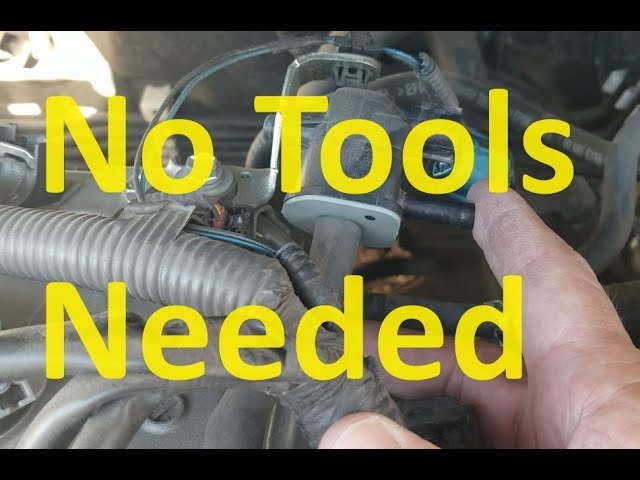
Credit: www.youtube.com
Why Does A Purge Valve Get Stuck Open?
There are several reasons why a purge valve may fail:
- Dirt or debris: Over time, dust and fuel residue can clog the valve, making it stick.
- Electrical failure: The solenoid that controls the valve can wear out or short-circuit.
- Mechanical wear: Springs inside the valve can weaken, or plastic parts can break.
- Corrosion: Moisture can cause rust, especially in older vehicles or those used in humid areas.
Regular maintenance can help prevent these problems, but sometimes the valve just wears out with age.
How A Stuck Open Purge Valve Affects Engine Performance
A purge valve that is stuck open changes how your engine runs. Here’s a closer look at the impact:
| Normal Purge Valve | Stuck Open Purge Valve |
|---|---|
| Releases vapors only when commanded by ECU | Lets vapors into engine at all times |
| Stable idle and smooth acceleration | Rough idle, possible stalling |
| Balanced air-fuel ratio | Mixture becomes too rich or too lean |
| Passes emissions tests | Likely to fail emissions tests |
This table shows how a healthy purge valve keeps the engine balanced, while a stuck open valve creates many problems.
Diagnosing A Purge Valve Stuck Open
If you suspect a problem, here’s how you or your mechanic can confirm it:
- OBD-II scan: Most cars built after 1996 have a port for a scan tool. Codes related to the EVAP system, especially P0441 or P0443, often point to purge valve problems.
- Visual inspection: Check for damaged wires, loose hoses, or signs of wear on the valve.
- Vacuum test: A mechanic may use a vacuum pump to see if the valve holds pressure. If it does not, it may be stuck open.
- Listening for noises: With the engine running, you may hear hissing or sucking sounds near the valve.
- Smoke test: Some shops use a smoke machine to check for leaks in the EVAP system.
It’s important to be careful. Many symptoms of a stuck open purge valve are similar to other engine problems. A professional diagnosis avoids replacing the wrong parts.
Why Acting Fast Matters
Ignoring the signs of a stuck open purge valve can lead to bigger problems. An unbalanced air-fuel mix can damage your catalytic converter, which is expensive to replace. Poor fuel economy and failed emissions tests also cost money in the long run. In some places, failing an inspection means you can’t legally drive the car until you fix the problem.
A stuck open purge valve also increases air pollution. Gasoline vapors are harmful to the environment and can affect your health, especially if you smell fuel inside the car.
What To Do If You Suspect Trouble
If you notice the symptoms above, take these steps:
- Scan for codes: Many auto parts stores will read engine codes for free.
- Check for recalls: Sometimes, manufacturers recall purge valves. Check your car’s VIN online.
- See a mechanic: If you’re not comfortable fixing the problem yourself, get professional help.
- Replace the valve: If tests confirm the valve is stuck open, replace it. The part is usually not expensive, but labor costs can vary.
Tips To Prevent Purge Valve Problems
While some purge valves fail with age, you can reduce the risk:
- Use quality fuel to avoid residue buildup.
- Avoid topping off the fuel tank, as it can send liquid fuel into the EVAP system.
- Keep up with regular maintenance.
- Fix small fuel system problems quickly.
Real-world Example: How A Stuck Open Purge Valve Is Diagnosed
Consider a driver who notices the check engine light after refueling, along with a rough idle and strong fuel smell. They scan the car and find a P0441 code. A mechanic checks the purge valve and finds it allows air to pass through even when it should be closed. After replacing the valve, the symptoms disappear, and the car passes its next emissions test.
Purge Valve Vs. Other Evap System Problems
Many parts can cause similar symptoms. Here’s how the purge valve compares with other EVAP system components:
| Component | Main Symptom | Typical Cause | Repair Cost (USD) |
|---|---|---|---|
| Purge Valve | Rough idle, hard start, check engine light | Stuck open/closed, electrical failure | $50–$200 |
| Charcoal Canister | Strong fuel smell, emissions failure | Clogged with liquid fuel | $150–$600 |
| Gas Cap | Check engine light, emissions failure | Loose or cracked cap | $10–$30 |
| Vent Valve | Failed emissions test | Stuck closed/open | $50–$180 |
This comparison shows why a proper diagnosis is important—many parts can cause similar issues, but the repair cost and fix are different.
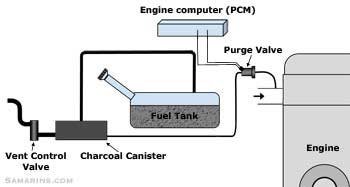
Credit: www.samarins.com
Non-obvious Insights Most Drivers Miss
- A stuck open purge valve can mimic a vacuum leak. Many people spend time and money looking for leaks in hoses or gaskets, not realizing the purge valve could be the cause.
- Problems often appear after refueling. This is because the purge valve is supposed to stay closed until the car is running. If it’s stuck open, vapors rush into the engine right after you add gas, making symptoms worse.
How Long Can You Drive With A Stuck Open Purge Valve?
While your car may still run, driving for long with a stuck open purge valve is risky. Damage to the catalytic converter, failed inspections, and poor performance get worse over time. Fixing the problem early saves money and stress.
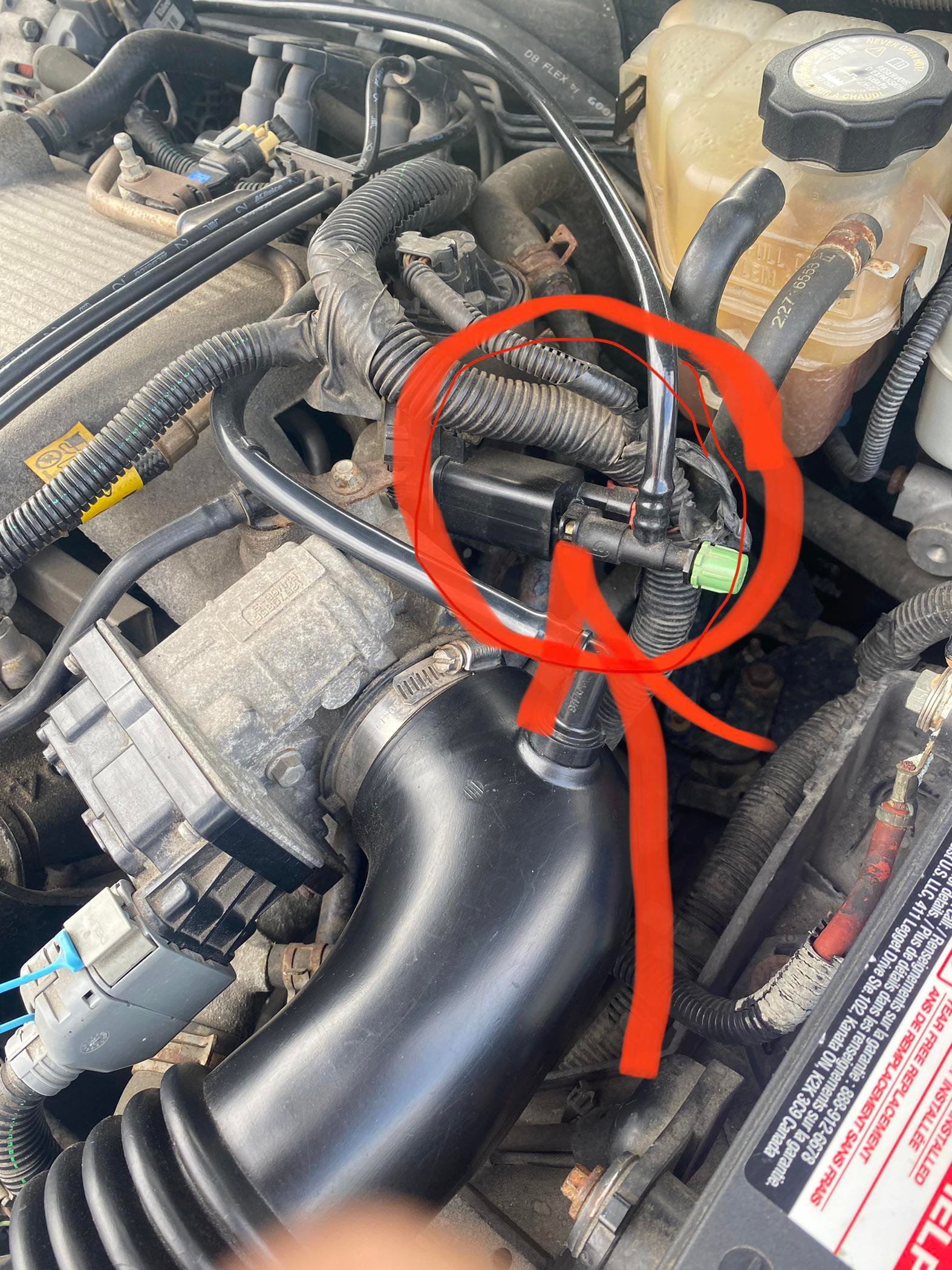
Credit: www.reddit.com
Where To Learn More
For a deeper technical look at the EVAP system and purge valves, visit the Wikipedia EVAP System Page.
Frequently Asked Questions
What Does The Purge Valve Do In A Car?
The purge valve controls when fuel vapors from the charcoal canister enter the engine to be burned. It helps reduce pollution and keeps the engine running smoothly.
Can A Stuck Open Purge Valve Damage My Engine?
Yes. Over time, running with a stuck open purge valve can cause engine misfires, damage the catalytic converter, and lead to expensive repairs.
How Much Does It Cost To Replace A Purge Valve?
The part usually costs between $50 and $150, but labor can add another $50 to $100 depending on your car. Luxury or hard-to-reach valves may cost more.
Will A Stuck Open Purge Valve Always Cause A Check Engine Light?
Usually, yes. Most modern cars will turn on the check engine light and store an error code if the purge valve is not working correctly.
Is It Safe To Drive With A Stuck Open Purge Valve?
It is possible to drive for a short time, but it’s not safe for the engine or the environment. Fix the problem as soon as you can to avoid bigger issues.
Understanding the symptoms of a purge valve stuck open helps you keep your car reliable, efficient, and safe. Early action makes repairs easier and protects both your wallet and the environment. If you notice any warning signs, don’t ignore them—your car will thank you for it.
