
Keeping your car’s radiator in good shape is one of the best ways to ensure your engine runs smoothly and lasts longer. Many drivers focus on oil changes and tire checks but forget about radiator maintenance. This can lead to overheating, expensive repairs, or even engine failure.
The good news is that you don’t need to be a mechanic to protect your radiator. With the right approach and a bit of routine care, you can avoid most common problems and keep your cooling system healthy for years.
In this guide, you’ll learn practical radiator maintenance tips that anyone can follow. From simple checks to more detailed cleaning, these steps help prevent overheating and costly damage. We’ll also look at mistakes many car owners make, and share some insights that even experienced drivers often overlook.
Why Radiator Maintenance Matters
The radiator is central to your car’s cooling system. It keeps the engine at a safe temperature by moving coolant through the engine and releasing heat into the air. If the radiator isn’t working properly, the engine can get too hot, which may lead to warped parts, blown gaskets, or even a seized engine.
A well-maintained radiator also improves fuel efficiency and reduces emissions. When the engine operates at the right temperature, it burns fuel more effectively. This means you get more miles per gallon and pollute less.
Neglecting radiator care can turn small problems into big ones. A minor coolant leak, for example, can quickly lead to overheating. Replacing an engine costs much more than a little regular maintenance.
Regular Coolant Checks
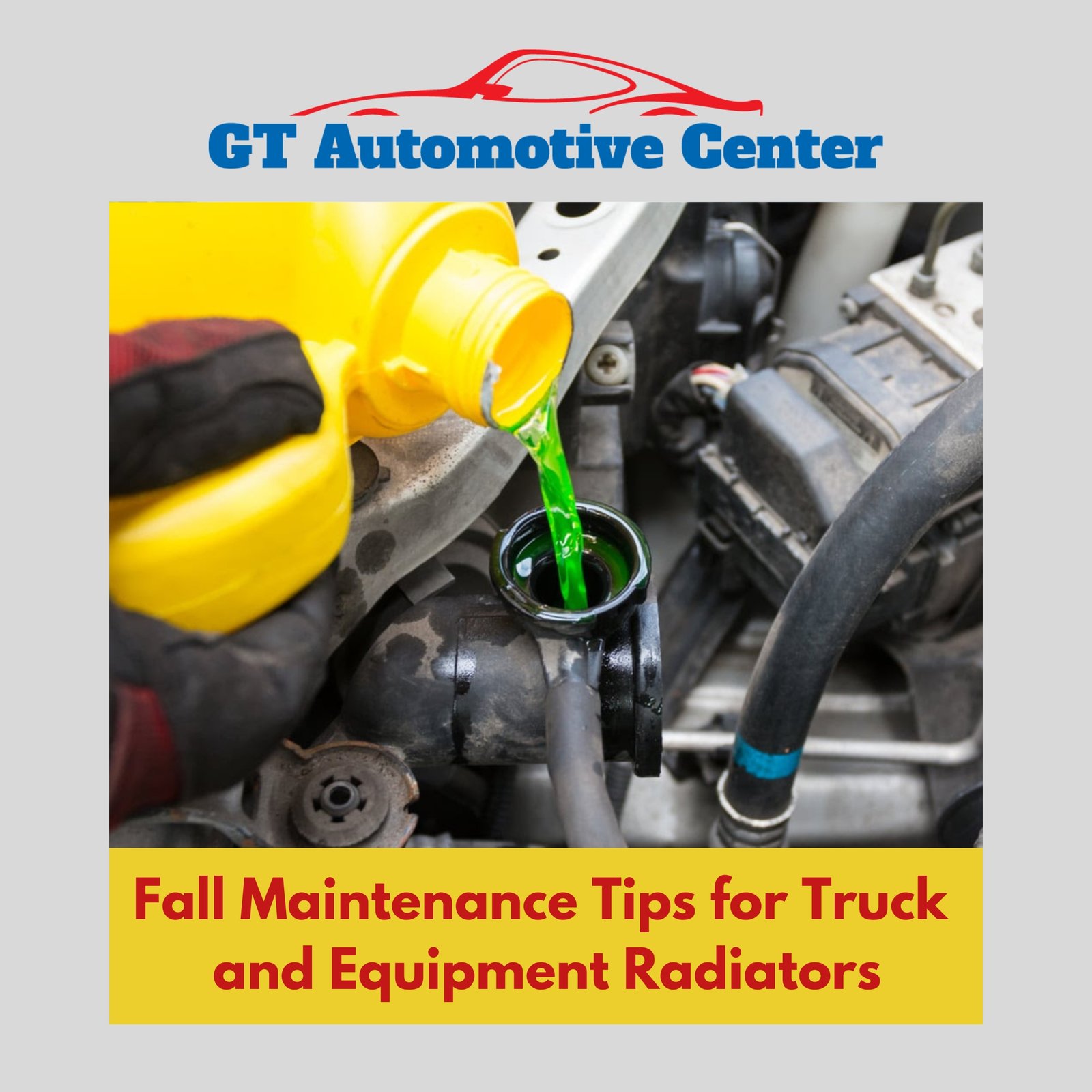
Checking the coolant level is one of the easiest and most important radiator care tasks. Coolant, also called antifreeze, absorbs heat from the engine and prevents freezing in cold weather.
To check coolant:
- Make sure the engine is cool. Opening the radiator cap on a hot engine is dangerous.
- Locate the coolant reservoir—usually a clear plastic tank with “min” and “max” lines.
- The coolant should be between these lines. If it’s low, add a 50/50 mix of coolant and distilled water.
Don’t just top up with tap water. Minerals in regular water can cause deposits inside the radiator and reduce its lifespan.
Insight: Many drivers only check coolant before long trips. It’s smart to check every month, especially if your car is older or you notice leaks.
Credit: www.amblersbestgtauto.com
Flushing The Radiator
Over time, coolant breaks down and collects dirt, rust, and other deposits. Flushing the radiator means draining old coolant, cleaning the system, and refilling it. This keeps the cooling system working efficiently.
Most experts suggest a radiator flush every 2 to 3 years, or every 30,000 miles. Check your owner’s manual for your car’s recommendation.
How To Flush The Radiator
- Let the engine cool completely.
- Open the radiator drain valve and let old coolant flow into a container.
- Close the valve and fill with clean water or a flush solution.
- Run the engine with the heater on for about 10 minutes.
- Turn off the engine, let it cool, then drain again.
- Refill with a 50/50 mix of coolant and distilled water.
Tip: Dispose of old coolant properly. It is toxic to people and animals. Many auto shops accept used coolant for recycling.
Inspecting For Leaks
A leak in the radiator or hoses can quickly lead to overheating. Common signs of a leak include:
- Puddles under your car (often green, orange, or pink fluid)
- Sweet smell from the engine
- Low coolant levels
Inspect the radiator and hoses every month. Look for cracks, damp spots, or corrosion. Even small leaks can cause big problems if ignored.
If you find a leak, get it fixed right away. Some people try quick-fix sealants, but these can clog the system and cause more harm than good.
Non-obvious insight: Leaks can sometimes occur in the heater core, not just the radiator. If you notice coolant on your car’s floor mats, or if the inside of your windows fog up for no reason, check the heater core as well.
Cleaning The Radiator Fins
The thin metal fins on the radiator help release heat. If they get clogged with dirt, bugs, or debris, the system can’t cool properly.
To clean the fins:
- Make sure the engine is off and cool.
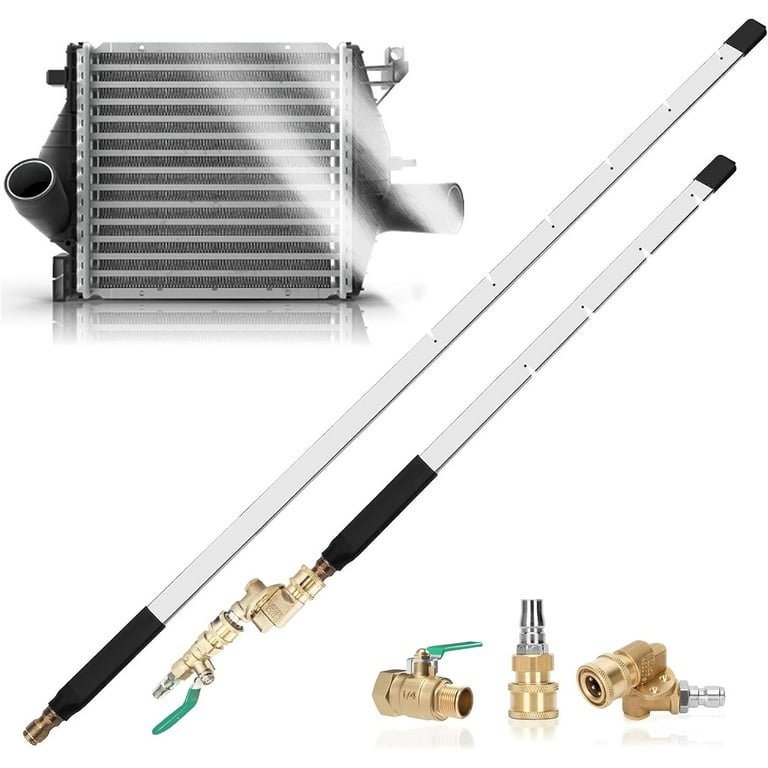
- Spray the radiator with a garden hose from the back side (engine side) to the front.
- For stubborn dirt, use a soft brush or compressed air.
Be gentle. The fins bend easily, and bent fins reduce cooling efficiency.
Extra tip: Avoid power washers—they can damage the delicate fins.
Checking Radiator Cap Condition
The radiator cap keeps the system sealed and pressurized. If the cap is old or damaged, it can cause leaks or overheating.
Signs of a bad radiator cap:
- Coolant leaks around the cap
- Whistling or hissing sounds
- Collapsed radiator hoses
Replace the cap every few years, or if you notice any of these signs. Use the correct pressure rating for your car. A cap that’s too strong or too weak can damage the radiator.
Monitor Engine Temperature Gauge
Your car’s dashboard includes a temperature gauge. This is your first warning if something is wrong with the cooling system.
- The needle should stay in the middle during normal driving.
- If it moves to “hot” or into the red, pull over and turn off the engine.
Don’t ignore small changes. If the gauge runs hotter than usual, check the radiator and coolant before driving again.
Hidden insight: Some modern cars have warning lights instead of gauges. Learn what your car uses, so you can react quickly.
Keep Hoses In Good Shape
Radiator hoses move coolant between the engine, radiator, and heater core. Old hoses can crack, swell, or burst.
Check hoses for:
- Soft spots or bulges
- Cracks or splits
- Loose clamps
Replace hoses every 4-5 years or sooner if they show wear. Always use hoses that match your car’s specifications.
Use The Right Coolant
Not all coolants are the same. Using the wrong type can cause chemical reactions, forming sludge that blocks the radiator.
Check your owner’s manual to see what coolant your car needs. Most modern cars use OAT (Organic Acid Technology) or HOAT (Hybrid OAT) coolants, while older cars may use traditional green coolant.
Mixing different types can damage the system. If you’re unsure, flush the system before changing coolant types.
Pay Attention To Unusual Noises And Smells
Sometimes, your car tells you something is wrong before you see any warning lights.
- Gurgling or bubbling sounds can mean air is trapped in the cooling system.
- A sweet smell usually means a coolant leak.
- Hissing can signal a pressure problem.
If you notice any of these, inspect the radiator and cooling system right away.

Credit: www.catoperatortraining.com
Protect The Radiator In Extreme Weather
Hot summers and freezing winters both stress your radiator.
In summer, check coolant more often and make sure the radiator fins are clean. In winter, make sure your coolant has enough antifreeze to prevent freezing.
A common mistake is topping up with water in cold climates. This can freeze and crack the radiator.
Radiator Additives: Are They Worth It?
Some products claim to boost cooling or seal minor leaks. Most experts agree: radiator sealants and additives should be used with caution.
They might offer a temporary fix, but they can clog small passages inside the radiator or heater core. It’s better to fix leaks properly than to rely on additives.
If you must use an additive, only use it as a short-term emergency solution.
When To Seek Professional Help
Some problems are best left to the experts. Seek help if:
- Your car overheats repeatedly, even after adding coolant
- You see rust or oily residue in the coolant
- The radiator or hoses are damaged
- You aren’t sure how to flush or refill the system
A professional mechanic can pressure-test your radiator and check for hidden problems.
Common Radiator Maintenance Mistakes
Avoid these errors to keep your radiator in top shape:
- Ignoring small leaks: Even tiny leaks can cause overheating.
- Mixing different coolants: This can create blockages and damage parts.
- Using tap water: Minerals can build up inside the radiator.
- Not checking after repairs: Always check coolant levels and leaks after any work.
- Skipping regular flushes: Old coolant loses its effectiveness and can corrode the system.
Radiator Maintenance Cost Comparison
To help you plan, here’s a quick look at average costs for common radiator maintenance tasks:
| Task | DIY Cost (USD) | Professional Cost (USD) | Recommended Frequency |
|---|---|---|---|
| Coolant Check/Top Up | $10-$20 | $30-$50 | Monthly |
| Radiator Flush | $25-$50 | $100-$150 | 2-3 years |
| Hose Replacement | $20-$40 | $80-$120 | 4-5 years |
| Radiator Cap Replacement | $5-$15 | $20-$40 | 3-5 years |
Signs Your Radiator Needs Attention
Watch for these warning signs. They often mean your radiator or cooling system needs maintenance:
| Sign | What It Means |
|---|---|
| Engine overheating | Coolant may be low, leaking, or not circulating properly. |
| Coolant puddles under car | Possible radiator or hose leak. |
| Rusty or dirty coolant | System needs flushing; corrosion is likely. |
| Steam from hood | Serious overheating; stop driving immediately. |
| Heater not working | Coolant not reaching heater core; possible blockage or low coolant. |
Radiator Maintenance For Different Vehicle Types
Not all vehicles use the same radiator systems. Here’s a quick overview:
| Vehicle Type | Radiator Type | Special Considerations |
|---|---|---|
| Passenger Cars | Aluminum/plastic | Flush more often in harsh climates |
| Trucks/SUVs | Larger capacity | Check hoses for extra strain from towing |
| Motorcycles | Smaller, compact | Clean fins more often due to exposure |
| Classic Cars | Brass/copper | Use correct type of coolant; watch for rust |
Frequently Asked Questions
How Often Should I Check My Radiator Coolant?
It’s best to check your coolant level at least once a month. Check more often if you notice leaks, if your car is older, or if you drive in extreme temperatures.
Can I Use Water Instead Of Coolant In My Radiator?
Using only water is not recommended. Coolant prevents both freezing and overheating and contains rust inhibitors. Water alone can cause corrosion and is not effective in extreme temperatures.
What Happens If I Mix Different Types Of Coolant?
Mixing coolant types can cause chemical reactions, forming sludge that blocks the radiator and damages the cooling system. Always use the type recommended in your vehicle’s manual.
Is It Safe To Drive With A Small Radiator Leak?
Driving with a radiator leak is risky. Small leaks can quickly get worse, leading to overheating and serious engine damage. It’s best to repair leaks as soon as possible.
Where Can I Find More Information About Coolant Types And Radiator Care?
For more in-depth details, visit the Wikipedia radiator page for technical explanations and additional resources.
Taking care of your radiator is one of the smartest moves you can make as a vehicle owner. These practical tips can help you avoid breakdowns and expensive repairs. Stay alert to warning signs, check your cooling system regularly, and don’t hesitate to ask a professional if you’re unsure.
With a little effort, your engine will stay cool and dependable for many miles ahead.
Credit: www.walmart.com
