
Every car owner relies on their vehicle starting smoothly each day. But when your car suddenly struggles to start or leaves you stranded, the problem often comes down to the car battery. A healthy battery is critical for powering not just the engine, but also lights, radio, and all electrical systems. Yet, batteries don’t last forever. Many drivers miss early warning signs until it’s too late, resulting in frustration or expensive towing. Knowing the signs your car battery needs replacing can save you time, money, and inconvenience. This guide explains all the key symptoms, why they happen, and what you should do if you notice them.
Why Car Batteries Fail
Before looking at the signs, it helps to understand why car batteries die. Most standard car batteries last between 3 to 5 years. Age, extreme temperatures, frequent short trips, and electrical faults all reduce battery life. Cold winters and hot summers cause chemical reactions inside the battery to speed up, which can lead to premature failure. Corrosion, loose connections, or leaving lights on overnight can also drain a battery quickly.
Top Signs Your Car Battery Needs Replacing
Spotting battery problems early can prevent a breakdown. Here are the most common symptoms to watch for:
1. Slow Engine Crank
When you turn the key, a healthy battery sends a strong current to the starter motor. If you notice the engine turns over slowly, almost like it’s struggling, your battery may be losing strength. This is often the first and most noticeable warning sign.
2. Clicking Sound When Turning The Key
If you hear a rapid clicking noise but the engine doesn’t start, your battery likely doesn’t have enough power to engage the starter. This sound means there’s still some power, but not enough for ignition.
3. Dim Headlights And Electrical Issues
A weak battery can’t supply enough voltage to power all electrical systems properly. You might see:
- Dim or flickering headlights
- Dashboard lights that are faint or inconsistent
- Problems with radio, power windows, or seat heaters
These are clear signs the battery is struggling.
4. Warning Light On Dashboard
Most vehicles have a battery warning light or a symbol shaped like a battery on the dashboard. If this light appears, it means the car’s charging system has detected a problem. While sometimes this can point to the alternator, it often means your battery is not holding charge.
5. Swollen Or Bloated Battery Case
Extreme heat or overcharging can cause a car battery’s case to swell. A normal battery case is rectangular and flat. If you notice bulges or misshapen sides, the internal components have been damaged, and the battery is no longer safe to use.
6. Corrosion Or Leaking Fluid
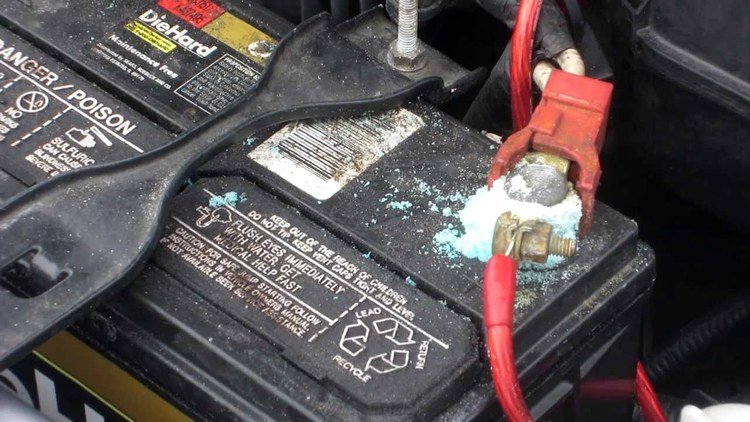
Look at your battery’s terminals (where the cables connect). If you see white, ashy deposits or green-blue powder, that’s corrosion. Fluid leaking around the battery is also a bad sign. Both can prevent your car from starting and may damage nearby parts.
7. Old Age (3 Years Or More)
Most batteries need replacing every 3 to 5 years. If yours is older than three years—even if it still works—it’s smart to have it tested. Age weakens a battery’s ability to hold a charge, especially in tough weather.
8. Needing Frequent Jump Starts
If you’re jump starting your car more than once in a few months, it’s a strong clue your battery is failing. Good batteries recover after a jump; old or weak ones lose power again quickly.
9. Rotten Egg Smell
A sulfur or rotten egg smell near your battery comes from leaking gas (hydrogen sulfide). This points to internal damage and is a clear sign the battery needs replacement immediately.
10. Problems After Sitting Idle
If your car won’t start after being parked for several days, the battery may not be holding a charge. Modern vehicles use a small amount of battery power even when off, but a healthy battery can handle this for weeks.
Credit: www.wendlenissan.com
Comparing Old Vs. New Battery Performance
Here’s a quick comparison of how an old battery differs from a new one in real-world use:
| Feature | Old Battery | New Battery |
|---|---|---|
| Engine Crank Speed | Slow or uneven | Fast and consistent |
| Headlight Brightness | Dim or flickering | Bright and steady |
| Time to Start After Sitting | May not start after a few days | Starts easily even after weeks |
| Jump Start Needed | Often required | Rarely needed |
How To Test Your Car Battery
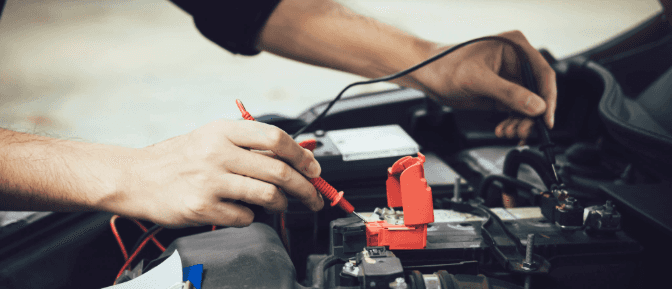
Don’t just rely on symptoms—testing gives you a clear answer. Most auto shops will test your battery for free. You can also use a multimeter at home.
Steps To Test With A Multimeter
- Set the multimeter to 20 DC volts.
- Connect the red lead to the positive (+) terminal and the black lead to the negative (–) terminal.
- Check the reading:
- 12.6 volts or higher: Battery is fully charged.
- 12.4–12.6 volts: Battery is moderately charged.
- Below 12.4 volts: Battery is weak.
- Below 12.0 volts: Battery likely needs replacing.
When To Test
- If your battery is 3+ years old
- Before long road trips
- If you notice any warning signs listed above
Credit: omegaautocare.com
Factors That Shorten Battery Life
Understanding what damages batteries helps you avoid early replacement. Here are key factors:
- Extreme Temperatures – Both heat and cold stress the battery’s chemical reactions.
- Short Trips – Driving only a few miles at a time doesn’t give the alternator enough time to recharge the battery.
- Parasitic Drain – Devices like alarms or leaving lights on can drain power.
- Poor Maintenance – Dirty or corroded terminals block energy flow.
- Vibration – Loose mounting can shake the battery, causing internal damage.
How Long Should A Car Battery Last?
On average, a car battery lasts 3 to 5 years. However, actual lifespan depends on your climate, driving habits, and battery quality. For example, in hot regions, batteries may only last 2–3 years.
Battery Lifespan By Climate
| Climate | Typical Lifespan |
|---|---|
| Hot (desert, tropical) | 2–3 years |
| Temperate (mild, not extreme) | 4–5 years |
| Cold (snowy, subzero) | 3–4 years |
What To Do If You Notice These Signs
If you spot any of the symptoms above, don’t wait until your car won’t start at all. Here’s what you should do:
- Test the Battery – Get it checked at a service center or with a multimeter.
- Check Connections – Ensure the battery terminals are clean and tight.
- Look for Corrosion – Clean off any build-up with a mix of baking soda and water (wear gloves).
- Replace as Needed – If the battery is old or fails a test, buy a new one as soon as possible.
- Recycle the Old Battery – Never throw car batteries in the trash. Most shops will recycle them for you.
Choosing The Right Replacement Battery
When it’s time for a new battery, consider these factors:
- Correct Size and Type: Check your owner’s manual for the recommended group size.
- Cold Cranking Amps (CCA): This rating shows how well the battery starts in cold weather. More CCA is better for cold climates.
- Reserve Capacity (RC): Indicates how long the battery can run basic systems if the alternator fails.
- Warranty: Look for a battery with a solid warranty—usually 2 to 3 years.
- Brand Reputation: Trusted brands may cost more but often last longer.
Example: Battery Specification Comparison
| Specification | Battery A | Battery B |
|---|---|---|
| Group Size | 35 | 24F |
| Cold Cranking Amps | 650 | 750 |
| Reserve Capacity (minutes) | 100 | 120 |
| Warranty (months) | 24 | 36 |
Two Important Insights Beginners Miss
First, batteries can fail suddenly even if they seemed fine the day before. Internal faults like a broken plate may not show early symptoms. Second, many drivers replace their battery when the real issue is a bad alternator or loose cable. Always test both the battery and charging system before buying a new battery.
Practical Tips To Extend Battery Life
- Drive Longer Trips: Short trips don’t fully charge the battery. Aim for at least 20 minutes.
- Keep Terminals Clean: Corrosion blocks electricity. Check and clean every few months.
- Secure the Battery: Make sure it’s fastened tightly to prevent vibration damage.
- Turn Off Electronics When Parked: Don’t leave lights or chargers plugged in when the engine is off.
- Service Regularly: Have your battery tested during routine maintenance.
Credit: www.motorist.co.th
Frequently Asked Questions
What Is The Average Cost To Replace A Car Battery?
The cost varies by car type and battery quality. Most standard car batteries cost between $70 and $200, including installation. Premium or specialty batteries for luxury or hybrid cars can cost more.
Can I Replace My Car Battery Myself?
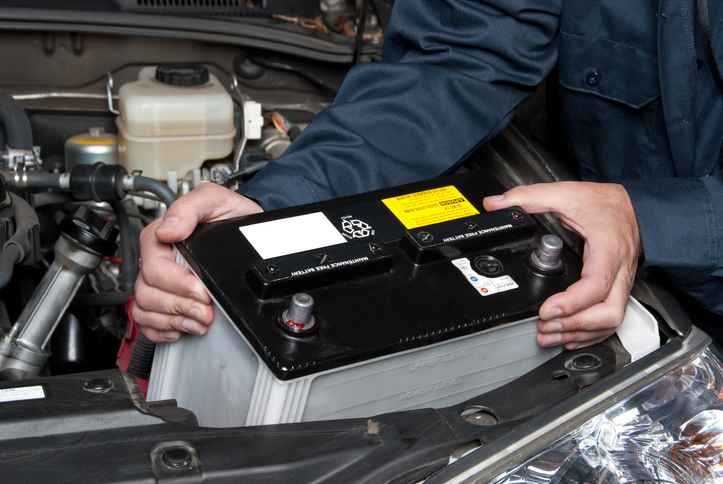
Yes, replacing a car battery is usually simple. Just remember to disconnect the negative terminal first and reconnect it last. However, some new vehicles require special tools or reprogramming. If unsure, ask a professional.
Will A New Battery Solve All Starting Problems?
Not always. If your alternator or starter motor is faulty, a new battery won’t fix the problem. Always test the charging system as well before replacing the battery.
How Do I Know If My Alternator Or Battery Is Bad?
If your battery is new but the car still won’t start, or if you see the battery warning light while driving, the alternator may be at fault. A mechanic can test both for you. For a deeper understanding, check resources like Wikipedia.
Can Extreme Weather Affect My Battery?
Yes. High heat causes fluid to evaporate and damages internal parts. Extreme cold makes it harder for the battery to deliver power. Both can shorten battery life and cause failure during weather changes.
A failing car battery never happens at a convenient time. By knowing the warning signs and acting early, you can avoid being stranded and keep your vehicle running smoothly. When in doubt, have your battery and charging system checked—it’s a small step that can prevent a major headache down the road.