
When you turn the key and your car refuses to start, it can be frustrating and confusing. Many drivers immediately think of a dead battery or a bad starter motor. But one common and often overlooked problem is a faulty starter relay. The starter relay is a small but critical electrical component that helps your engine come to life. Understanding the symptoms of a bad starter relay can save you time, money, and stress. This guide will help you spot the warning signs before you get stranded.
What Does The Starter Relay Do?
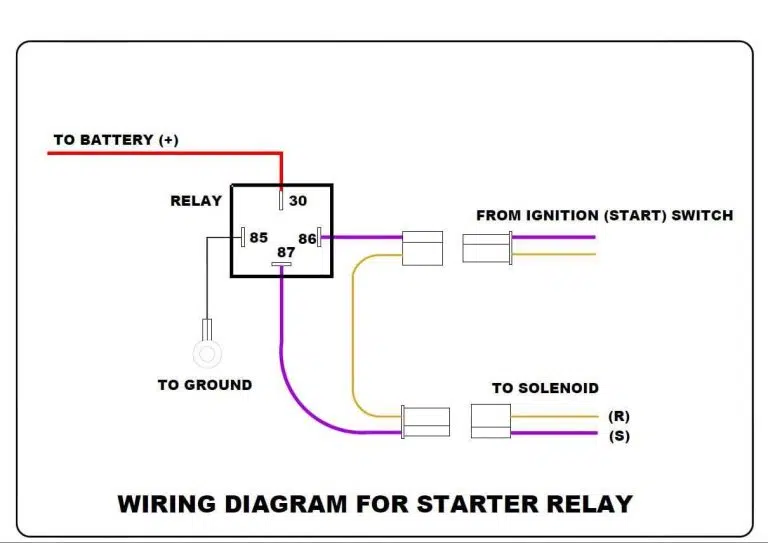
The starter relay acts as a bridge between your car’s battery and the starter motor. When you turn the ignition key, the relay receives a small electrical signal. This signal closes the circuit and lets a larger current flow from the battery to the starter motor. Without the relay, the starter motor cannot turn, and your engine won’t start.
Many modern cars use a starter relay because it protects the ignition switch from high electrical loads. A faulty relay can either block electricity or allow it at the wrong time, leading to no-start conditions or electrical problems.
Key Symptoms Of A Bad Starter Relay
Spotting a failing starter relay early can help you avoid being stranded. Here are the main symptoms to watch for:
1. Engine Does Not Crank
One of the most obvious signs is when you turn the key, but nothing happens. The dashboard lights may come on, but the engine stays silent. This could mean the relay is not sending power to the starter motor. However, other issues like a dead battery can cause similar symptoms, so always check your battery first.
2. Repeated Clicking Sounds
If you hear a rapid clicking noise when trying to start the car, the starter relay might be failing. The clicking happens because the relay is trying to engage but cannot hold the circuit closed. This can also happen if the relay contacts are worn out or corroded.
3. Intermittent Starting Problems
Sometimes, the car starts fine. Other times, you get silence or clicking. These intermittent problems are classic signs of a failing relay. You may notice this most often after the car has been parked for a while or when the weather is humid. Moisture can make relay issues worse.
4. Starter Stays On After Engine Starts
In rare cases, a stuck relay keeps sending power to the starter motor even after the engine has started. This creates a loud grinding noise and can quickly damage the starter motor. If you notice the starter keeps running after you release the key, turn off the engine immediately.
5. No Noise At All
Sometimes, a faulty relay fails so completely that there is no sound at all—not even a click—when you try to start the car. This often means the relay coil is burned out or there is no power reaching the relay. It can be easy to mistake this for a dead battery.
6. Dashboard Warning Lights Flicker
If the dashboard lights flicker or dim when you turn the key, it may indicate a bad relay or poor electrical connection. The flickering happens because the relay is not making a solid connection, causing voltage drops in the system.
7. Burning Smell Or Visible Damage
A failing starter relay can overheat. If you notice a burning smell from under the hood, or see melted plastic around the relay, it’s likely the relay has shorted out. This is dangerous and should be fixed immediately to prevent electrical fires.
8. Unusual Starter Relay Noise
Sometimes, you may hear a buzzing or humming sound from the relay itself. This can mean the relay is vibrating due to an electrical problem. These noises are less common, but they indicate the relay is not working correctly.
9. Car Starts Only In Neutral Or Park
Some cars with automatic transmissions show starter relay problems by only starting in certain gears, like neutral or park. This can happen if the relay or the neutral safety switch is faulty.
10. Battery Drains Overnight
A damaged relay can create a parasitic drain on the battery, especially if it gets stuck in the “on” position. If you find your battery dead after the car sits overnight, the relay could be the cause.
Credit: www.aliontimer.com
How To Diagnose A Bad Starter Relay
Many of these symptoms can be caused by other problems, like a weak battery or bad starter motor. Here’s how you can narrow down the issue:
- Check Battery Voltage: Use a multimeter to make sure your battery has at least 12.4 volts.
- Listen for Sounds: Clicks or no sound at all can help point to the relay.
- Swap Relays: Many cars use the same type of relay for different systems. You can swap the suspected relay with another identical one (like the horn relay) to see if the problem moves.
- Test for Power: With the key in the “start” position, use a multimeter to check for voltage at the starter relay terminals.
- Visual Inspection: Remove the relay and look for burn marks, corrosion, or melted plastic.
Common Causes Of Starter Relay Failure
Understanding why the starter relay fails can help you prevent future problems. Here are the most frequent causes:
- Wear and Tear: Over time, relay contacts wear down from repeated use.
- Moisture and Corrosion: Water or humidity can corrode the relay contacts.
- Heat Damage: High temperatures under the hood can melt or warp plastic parts.
- Electrical Surges: Faulty wiring or a bad battery can send too much current through the relay.
- Manufacturing Defects: Sometimes, a relay just fails earlier than expected due to poor quality.
Credit: www.youtube.com
Starter Relay Vs. Starter Solenoid: What’s The Difference?
Many people confuse the starter relay with the starter solenoid. Both are involved in starting the engine, but they serve different roles.
| Component | Main Function | Location |
|---|---|---|
| Starter Relay | Controls electrical flow to the solenoid | Fuse box or relay panel |
| Starter Solenoid | Engages the starter motor with the engine flywheel | Mounted on the starter motor |
A failing relay often causes no-start or clicking symptoms, while a bad solenoid can create similar issues but may also cause the starter to spin without engaging the engine.
How To Replace A Starter Relay
Replacing a starter relay is usually simple and can be done with basic tools:
- Disconnect the Battery: Always remove the negative battery terminal first to avoid shocks.
- Locate the Relay: Check your owner’s manual or the fuse box diagram.
- Remove the Old Relay: Gently pull it out. If it’s stuck, wiggle it back and forth.
- Install the New Relay: Push the new relay into the slot firmly.
- Reconnect the Battery and test the car.
Most relays cost between $10 and $50, making them one of the cheaper electrical repairs.
When To Call A Professional
While replacing a relay is simple, not all starting problems are caused by the relay. If you change the relay and the car still won’t start, the problem could be:
- Bad starter motor
- Dead battery
- Faulty ignition switch
- Wiring issues
If you’re not comfortable working with car electronics, or if basic steps don’t solve the problem, it’s best to seek help from a trusted mechanic.
Preventing Starter Relay Problems
Here are some tips to help you avoid starter relay troubles in the future:
- Keep the engine bay dry: Moisture is a leading cause of corrosion.
- Service the battery: Loose or corroded battery terminals can damage relays.
- Avoid jump-starting unless necessary: Surges can damage electrical parts.
- Have regular electrical checks: Especially for older vehicles.
Credit: startersolenoid.net
Real-world Example: Diagnosing A Starter Relay Issue
Let’s say you own a 2012 Honda Civic. One morning, you try to start the car, but nothing happens—not even a click. The dashboard lights are bright, so the battery seems fine. You swap the starter relay with the A/C relay (they are the same part number) and the car starts right up. This simple swap confirms the starter relay was the problem.
This trick can save you time and money, but always double-check with a multimeter or mechanic if you’re unsure.
Data: Common Causes Of No-start Problems
Understanding the most frequent reasons for engine no-start can help you diagnose issues faster.
| Cause | Estimated Frequency (%) | Typical Solution |
|---|---|---|
| Dead Battery | 45% | Replace/Recharge Battery |
| Bad Starter Relay | 15% | Replace Relay |
| Faulty Starter Motor | 20% | Replace Starter Motor |
| Ignition Switch Issues | 10% | Repair/Replace Switch |
| Other Electrical Faults | 10% | Check Wiring/Fuses |
As you can see, a bad starter relay is a common cause, but not the most frequent. Always check the battery first.
Non-obvious Insights For Beginners
Many new drivers assume that if they hear clicking, the battery must be dead. But often, the relay is trying to work and failing, especially if the battery is fully charged. Another thing most people miss: if the relay is stuck “on,” it can drain your battery overnight without you realizing it. If you wake up to a dead battery with no obvious cause, check the relay.
Also, relays can fail more often in humid climates, where moisture causes corrosion. If you live near the coast or in a rainy area, keep your fuse box dry and check relays more often.
Frequently Asked Questions
What Does A Starter Relay Do In A Car?
The starter relay allows electricity to flow from the battery to the starter motor when you turn the key. It acts as a switch that helps start the engine without sending heavy current through the ignition switch.
How Can I Test If My Starter Relay Is Bad?
You can test the relay by listening for clicking sounds, checking for voltage at the relay terminals, or swapping the relay with another identical one in your fuse box. If the problem moves, the relay is likely at fault.
Can I Drive With A Bad Starter Relay?
No. If the starter relay fails, your car may not start at all or may show unpredictable behavior. In some cases, a stuck relay can cause electrical damage, so it’s best to replace it as soon as possible.
How Much Does It Cost To Replace A Starter Relay?
Most starter relays cost between $10 and $50 for the part. If you have a mechanic do the work, labor may add another $30 to $100, depending on your car model.
Are All Starter Relays The Same?
No, starter relays vary in size, shape, and electrical rating. Always use the correct part number for your vehicle. Check your owner’s manual or ask a parts specialist for the right match. For more details, you can visit Wikipedia.
Dealing with starter relay problems can be stressful, but knowing the symptoms makes it much easier to diagnose and fix. By watching for these warning signs and taking quick action, you can keep your car starting smoothly for years to come.