
If your car makes a strange noise, leaks a little fluid, or simply does not feel right, it can be stressful. Many beginners think car repair is only for experts with special tools and years of training. That is not always true. With the right Step by Step Car Repair Instructions, you can handle many simple repairs at home and save time and money.
The key is to start small. Do not try to fix everything at once. Learn how to inspect the problem, use basic tools safely, and follow each step in the right order. When you work slowly and carefully, even a beginner can complete simple car repairs with confidence.
This guide will show you practical repair steps, common mistakes to avoid, and the most important safety habits to build first. You will also learn which jobs are safe for beginners and which ones should be left to a professional mechanic.
Before You Turn a Wrench
The first skill in car repair is not using tools. It is knowing what you are fixing. A good repair starts with a clear problem. If you guess too early, you may waste time and make the issue worse. Before touching any part of the car, take a few minutes to observe and gather simple facts.
Start with the symptom
Ask yourself what changed. Does the car start slowly? Is there a squeal when you brake? Is one tire losing air? Does the dashboard show a warning light? Small details matter. A strange sound that happens only when turning often points to a different issue than a sound that happens while braking.
If possible, note when the problem started, how often it happens, and whether it gets worse when the engine is cold, hot, or under load. This is one of the most useful habits for beginners, because it helps you avoid random trial and error.
Learn the basic tools first
You do not need a full workshop to begin. Most simple car repairs can be done with a few basic tools:
- Socket set
- Combination wrenches
- Screwdrivers
- Pliers
- Jack and jack stands
- Tire pressure gauge
- Flashlight
- Gloves and safety glasses
One important detail beginners often miss: cheap tools are fine for light work, but a poor jack or weak stand is a safety risk. Never support a car with only a jack. Use jack stands every time.
Understand what you can safely do
Some beginner-friendly repairs include changing a battery, replacing wiper blades, swapping a cabin air filter, topping off fluids, replacing headlight bulbs, and changing a flat tire. These jobs are useful because they teach basic car parts and do not require deep engine work.
Jobs like brake line replacement, transmission repairs, timing belt work, and airbag system repairs are different. They can be dangerous or costly if done wrong. If you are unsure, stop and get help.
Safety Comes First in Every Repair
Before any repair, make the car safe to work on. Skipping safety steps is one of the biggest beginner mistakes. A simple repair can become a serious injury if the car moves, slips, or starts unexpectedly.
Park the car the right way
Park on a flat, solid surface. Put the gear in Park for automatic cars or in first gear for manual cars. Set the parking brake. If you are lifting the car, place wheel chocks behind the wheels that stay on the ground.
Disconnect the battery when needed
For many electrical repairs, it is smart to disconnect the negative battery terminal first. This helps prevent short circuits and accidental sparks. If you are working near the starter, alternator, headlights, or fuse box, battery safety matters a lot.
However, not every repair needs the battery disconnected. For example, checking tire pressure or changing wipers does not require it. Use common sense and follow the service information for the specific task.
Wear proper protection
Use gloves when handling dirty or hot parts. Wear safety glasses when working under the hood or under the car. Some fluids can irritate skin, and rust can fall into your eyes. Good protection is simple, cheap, and worth it.
How to Diagnose a Problem Step by Step
Good diagnosis saves money. Many beginners replace the wrong part because they focus on the symptom instead of the cause. A careful check often points you in the right direction before you buy anything.
1. Inspect the area visually
Look for obvious damage, loose wires, cracked hoses, fluid leaks, broken clips, worn belts, or uneven tire wear. A flashlight helps you see deep into the engine bay or under the car.
2. Check warning lights and codes
If the check engine light is on, an OBD2 scanner can give you trouble codes. These codes do not always tell you the exact broken part, but they give a starting point. For example, a code may point to a sensor problem, but the real issue could be a vacuum leak or damaged wiring.
For reliable code explanation basics, you can also use the National Highway Traffic Safety Administration as a trusted source for general vehicle safety information.
3. Test one system at a time
Do not inspect everything at once. Focus on the most likely system. If the car has battery problems, begin with the battery, terminals, and charging system. If the brakes squeal, inspect pads, rotors, and wear indicators before thinking about anything else.
A useful beginner rule
Always check the easiest and cheapest causes first. A loose gas cap, dirty battery terminal, or blown fuse can sometimes look like a major problem. This is one of those simple habits that saves new car owners a lot of money.
Step by Step Car Repair Instructions for Common Beginner Jobs
The jobs below are ideal for learning basic repair skills. They are simple, practical, and useful for most drivers. Always check your owner’s manual before starting, because some vehicles have special steps.

Credit: autofixnotes.com
1. Replacing a car battery
A weak battery can cause slow cranking, clicking sounds, or a completely dead car. If the battery is old, swollen, corroded, or fails a test, replacement may be needed.
- Turn the car off and remove the key.
- Open the hood and locate the battery.
- Disconnect the negative terminal first, then the positive terminal.
- Remove the battery hold-down clamp if present.
- Lift out the old battery carefully. It can be heavy.
- Place the new battery in the same position.
- Reconnect the positive terminal first, then the negative terminal.
- Make sure the terminals are tight and free of corrosion.
Beginner tip: clean corrosion with a battery terminal brush before installing the new battery. Poor terminal contact can make a new battery seem bad.
2. Changing windshield wipers
Wiper blades are simple, but many drivers wait too long. If your windshield has streaks, chatter, or missed spots, the blades may be worn out.
- Lift the wiper arm away from the windshield.
- Find the release tab or small lock on the blade.
- Slide or press the old blade free.
- Attach the new blade until it clicks or locks in place.
- Lower the wiper arm gently.
- Test the wipers with washer fluid.
This job takes only a few minutes, but it makes a big difference in rain and snow.
3. Checking and topping off fluids
Several car fluids matter for safe operation: engine oil, coolant, brake fluid, power steering fluid, windshield washer fluid, and transmission fluid on some vehicles.
- Park on level ground and let the engine cool if needed.
- Find the correct dipstick or reservoir.
- Check the fluid level against the marks.
- Add the correct fluid slowly if the level is low.
- Do not overfill.
- Close caps tightly and wipe up spills.
Important: never guess the fluid type. Using the wrong fluid can damage the system. Your owner’s manual is the safest guide.
| Fluid | What it does | Beginner check |
|---|---|---|
| Engine oil | Lubricates moving engine parts | Dipstick level and color |
| Coolant | Helps control engine temperature | Reservoir level when cold |
| Brake fluid | Supports brake pressure | Reservoir level and color |
| Washer fluid | Cleans the windshield | Reservoir level |
4. Replacing a cabin air filter
A dirty cabin filter can reduce airflow and create a musty smell. This is one of the easiest repairs for beginners.
- Find the cabin filter location, usually behind the glove box or under the dash.
- Open the cover or remove the access panel.
- Slide out the old filter.
- Note the airflow direction arrow on the filter.
- Install the new filter in the correct direction.
- Reinstall the cover and close everything properly.
Many beginners install the filter backward. That small mistake can reduce airflow and shorten filter life.
5. Replacing a headlight bulb
Dim or dead headlights are unsafe and often easy to fix. The exact method depends on the car, but the basic idea is similar.
- Turn off the lights and engine.
- Open the hood and locate the back of the headlight assembly.
- Remove the connector or dust cover.
- Unlock the bulb clip or twist the bulb out.
- Insert the new bulb without touching the glass if possible.
- Reconnect the connector and test the light.
Some bulbs fail early because of oil from your fingers or poor installation. Hold bulbs by the base when you can.
6. Changing a flat tire
Every driver should know this skill. A flat tire can happen anywhere, and waiting for help is not always the best option.
- Move to a safe place away from traffic.
- Turn on hazard lights.
- Apply the parking brake.
- Place wheel chocks if available.
- Loosen the lug nuts slightly before lifting the car.
- Lift the car with the jack at the proper jacking point.
- Remove the lug nuts and take off the flat tire.
- Mount the spare tire and tighten the lug nuts by hand.
- Lower the car and tighten the nuts in a star pattern.
Non-obvious insight: many spare tires are temporary and meant only for short trips at lower speed. Check the sidewall or owner’s manual before driving far.
How to Use Tools Without Damaging Parts
Beginners often worry about doing repairs, but the bigger risk is using tools the wrong way. Stripped bolts, cracked plastic clips, and rounded fasteners are common and frustrating. A gentle hand and the right tool size matter more than force.

Credit: autofixnotes.com
Match the tool to the job
Use the correct socket size. A loose fit can round a bolt head. Use the right screwdriver type, such as Phillips or flathead. Do not force a tool that does not fit well.
Work slowly when loosening bolts
If a bolt is stuck, apply steady pressure instead of jerking it. A penetrating spray may help with rusted fasteners. If a part feels like it will break, stop and reassess. Plastic covers and connectors can crack easily when rushed.
Keep parts organized
Place bolts and small pieces in labeled containers or on a clean tray. Some repairs involve different bolt lengths, and mixing them up can damage the part during reassembly. Taking a quick photo before disassembly is a smart habit.
Common Beginner Mistakes That Cost Time and Money
Most first-time car repair problems are not caused by a lack of effort. They come from small errors that are easy to prevent once you know them.
- Using the wrong fluid: not all fluids are interchangeable.
- Skipping safety stands: a jack alone is not enough.
- Overtightening bolts: this can strip threads or crack plastic parts.
- Ignoring the manual: every car has some model-specific details.
- Replacing parts without testing: diagnosis should come first.
- Forgetting to reconnect a plug: this is very common after simple repairs.
One more mistake beginners make is not checking the result after the repair. Always test the car after any job. Listen for new sounds, look for leaks, and confirm the original problem is gone.
How to Know If the Repair Worked
After finishing a repair, do not assume success. A short test can prevent bigger problems later. This step is often skipped, but it matters a lot.
Start with a visual check
Look for loose bolts, disconnected wires, fluid leaks, or tools left in the engine bay. If you changed a battery, make sure the terminals are tight. If you replaced a filter, confirm the cover is closed.
Test the system
If you replaced wipers, use them with washer fluid. If you changed a bulb, turn on the lights and check both sides. If you changed a tire, recheck the lug nuts after driving a short distance.
Listen and feel
Drive carefully and pay attention. Does the car feel normal? Did the warning light go away? Is the sound gone? A good repair should solve the problem without creating a new one.
When You Should Stop and Call a Mechanic
Learning car repair is helpful, but knowing your limit is just as important. Some problems are too dangerous, too complex, or too expensive to guess at. That is not failure. It is smart decision-making.
Call a professional if you notice brake failure, fuel smell, overheating, electrical smoke, serious engine knocking, transmission slipping, or repeated warning lights after your repair. Also stop if a bolt snaps, a part will not come apart, or the repair manual calls for special tools you do not have.
A beginner should aim for safe, simple wins. Build skill step by step. You do not need to fix everything today. What matters is learning the process and gaining confidence.
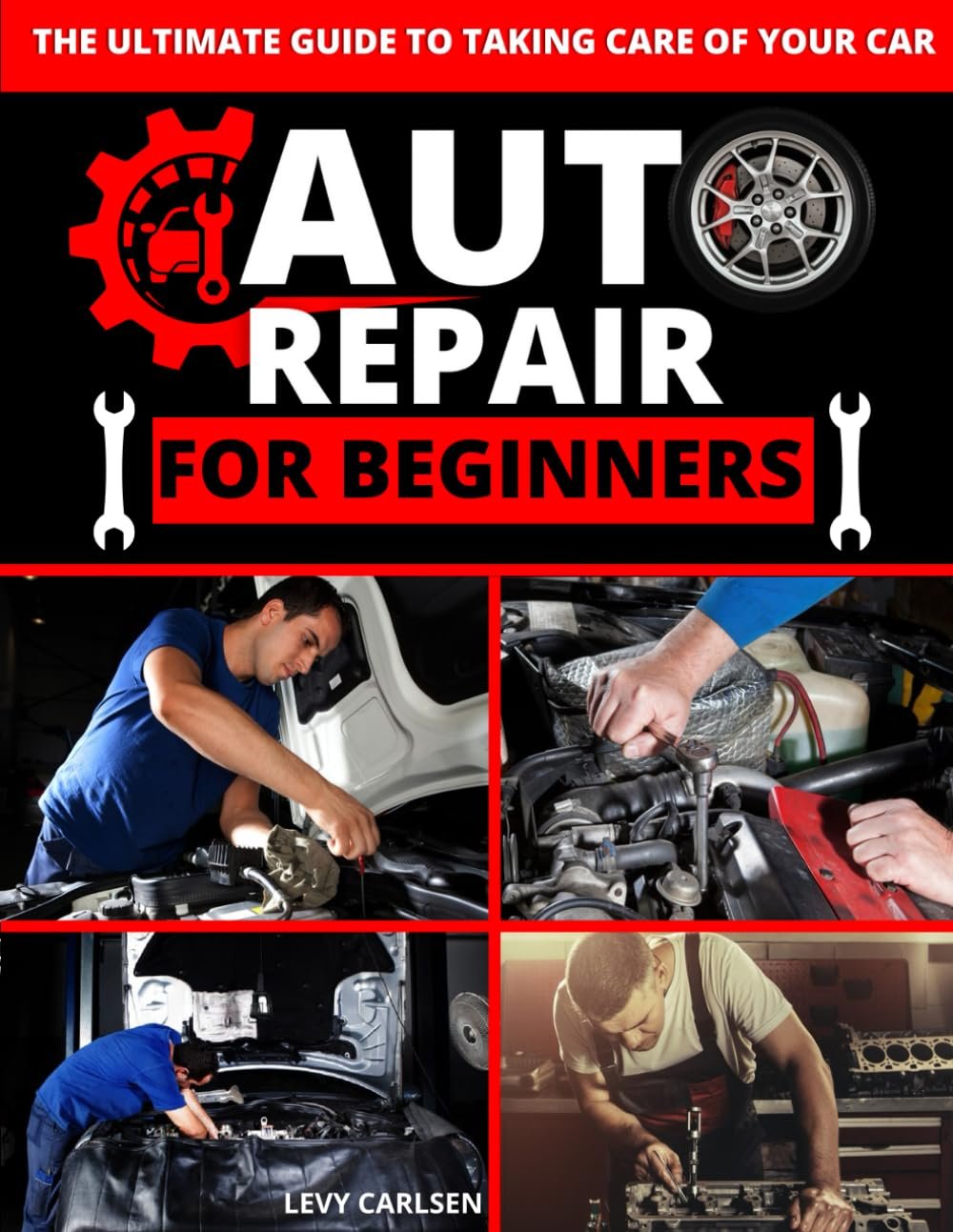
Credit: amazon.com
Build a Simple Home Repair Routine
One of the best ways to improve is to create a basic monthly check. This helps you catch small issues before they become expensive problems. A few minutes of inspection can save hours later.
What to check regularly
- Tire pressure
- Engine oil level
- Coolant level when the engine is cold
- Wiper blade condition
- Battery terminals for corrosion
- Lights and turn signals
- Visible leaks under the car
This simple habit teaches you how your car normally looks and sounds. That knowledge is valuable. Once you know what is normal, you can spot a problem much faster.
Final Thoughts for New Car Owners
Car repair does not have to feel confusing. When you follow clear steps, start with basic jobs, and stay patient, you can handle many common tasks on your own. The best Step by Step Car Repair Instructions are the ones that help you work safely, avoid guesswork, and build real confidence over time.
Begin with small repairs. Learn how your car is built. Keep your tools organized. Check your work before you close the hood. These habits will help you more than any quick trick ever could. Soon, even simple maintenance will feel less scary and much more manageable.
FAQs
1. What are the easiest car repairs for beginners?
The easiest jobs are usually changing wiper blades, replacing a cabin air filter, checking fluid levels, and swapping a car battery. These repairs teach basic skills without requiring advanced mechanical knowledge.
2. Do I need many tools to start car repair at home?
No. A beginner can do many simple repairs with a socket set, screwdrivers, pliers, a jack, jack stands, and safety glasses. Start with basic tools and buy more only when you really need them.
3. How do I know if I am using the correct car fluid?
Check your owner’s manual first. That is the safest source. Many fluids look similar but are not the same, and using the wrong one can damage your car.
4. Is it safe to work under a car with only a jack?
No. Never rely on a jack alone. Always use jack stands on solid ground before working under the car. This is one of the most important safety rules in car repair.
5. When should a beginner avoid doing a repair alone?
A beginner should avoid major brake work, fuel system repairs, transmission work, airbag repairs, and anything that feels unsafe or unclear. If the job needs special tools or expert diagnosis, call a mechanic.