
Every driver wants to keep their car safe and running smoothly, but there’s one small detail many ignore: tire pressure. If your tires don’t have the right amount of air, your car uses more fuel, handles poorly, and can even be dangerous. This is where the Tire Pressure Monitoring System (TPMS) comes in. Modern cars use this technology to warn you when your tire pressure drops, helping you avoid breakdowns, accidents, and expensive repairs. But how does it really work, and why does it matter so much? Let’s explore everything you need to know about TPMS, from how it operates to the different types, benefits, and common mistakes people make.
What Is A Tire Pressure Monitoring System (tpms)?
A Tire Pressure Monitoring System is a technology in your vehicle that keeps track of your tire air pressure. If one or more tires have low pressure, the system alerts you, usually with a warning light on your dashboard.
There are two main types of TPMS:
- Direct TPMS: Uses sensors inside each tire to measure the exact pressure.
- Indirect TPMS: Uses the car’s ABS or wheel speed sensors to guess if a tire is low, based on how fast it rotates.
Most cars made after 2007 in the United States have TPMS as a standard feature, thanks to safety laws. Many other countries now require it too.
Why Is Tire Pressure Important?
Maintaining the correct tire pressure is not just about comfort. It affects safety, performance, and costs. Here’s why it matters:
- Safety: Under-inflated tires can overheat and may blow out while driving. Over-inflated tires have less grip, increasing the risk of accidents, especially in wet conditions.
- Fuel Efficiency: Low tire pressure increases rolling resistance. This means your engine works harder, using more fuel. According to the U.S. Department of Energy, keeping tires properly inflated can improve gas mileage by up to 3%.
- Tire Lifespan: Tires with the right pressure wear evenly and last longer. Both low and high pressure can cause uneven wear, leading to early replacement.
- Handling and Braking: Correct pressure ensures your car responds well when steering and braking. Low pressure can make your car feel sluggish and unsteady.
Many drivers forget to check tire pressure regularly. TPMS helps by giving a clear reminder before problems become serious.
Credit: www.nokiantyres.com
How Does Tpms Work?
Direct Tpms
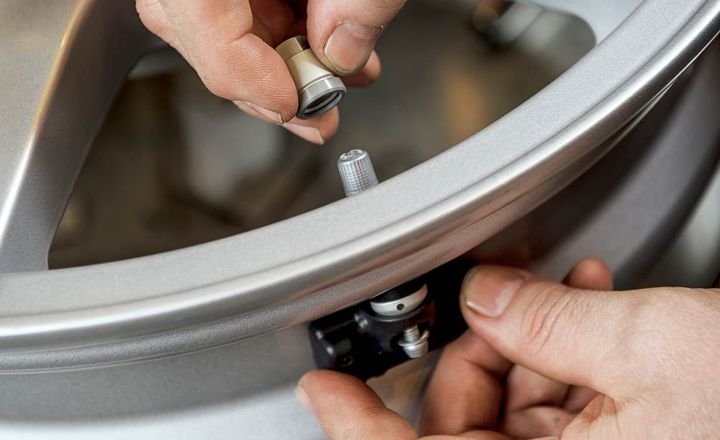
Direct TPMS uses small sensors mounted inside the tire, usually attached to the valve stem. These sensors measure the actual pressure and sometimes the temperature inside each tire. The sensor sends this data wirelessly to the car’s central computer. If the pressure drops below a set level, the warning light comes on.
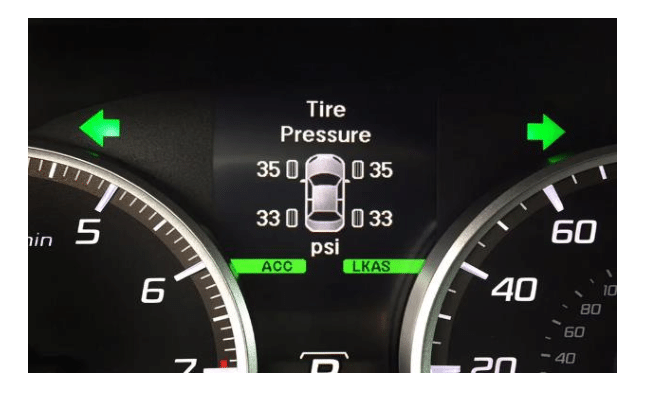
This method is very accurate. It knows exactly which tire has the problem. Some advanced systems even show the actual pressure for each tire on your dashboard.
Indirect Tpms
Indirect TPMS does not use pressure sensors. Instead, it relies on the car’s anti-lock braking system (ABS) sensors. Here’s how:
- When a tire loses air, it gets smaller and spins faster than the others.
- The car’s computer notices this difference in speed.
- If one tire rotates faster for a while, the system thinks it may be low on air and triggers the warning light.
Indirect TPMS is less accurate than direct systems. It can be fooled by uneven tire wear, different tire brands, or even tire rotation.
Key Components
- Sensors: Measure pressure (direct) or speed (indirect).
- Control Module: Receives data and checks if the pressure is outside safe limits.
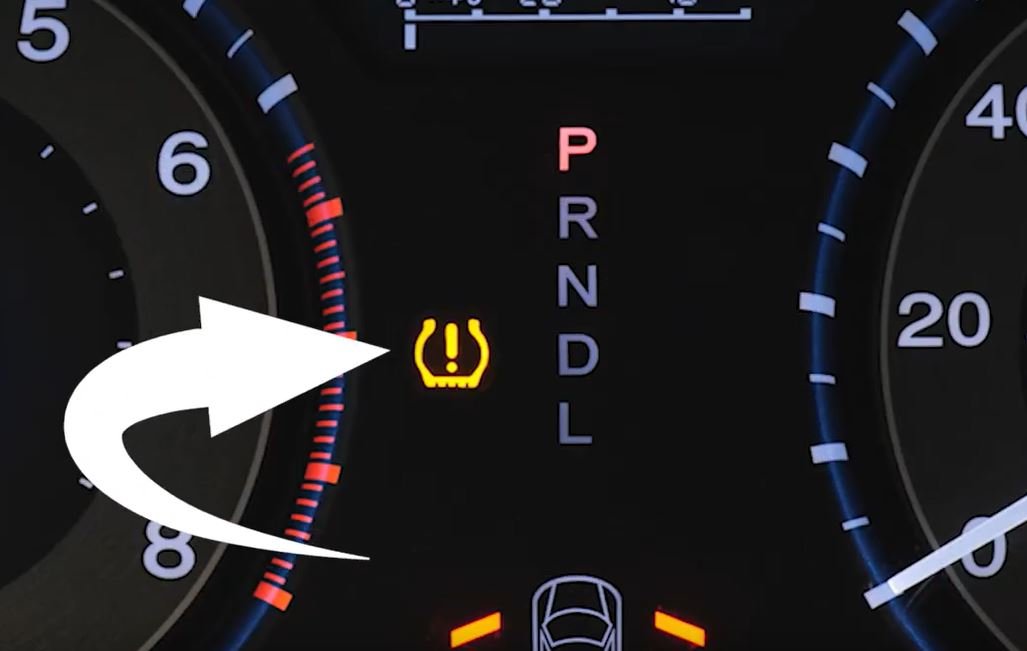
- Warning Light: Usually an icon that looks like a horseshoe with an exclamation point.
- Battery: Direct TPMS sensors use small batteries, which can last 5–10 years.
Types Of Tpms Compared
Here is a quick comparison of direct and indirect TPMS:
| Feature | Direct TPMS | Indirect TPMS |
|---|---|---|
| Measurement | Actual tire pressure | Wheel speed (estimates pressure) |
| Accuracy | High | Lower |
| Shows Which Tire | Yes | No (usually just a warning) |
| Maintenance | Sensors may need replacement | Less maintenance |
| Cost | Higher | Lower |
Benefits Of Tpms
1. Real-time Alerts
The most important benefit is real-time warning. If your tire starts losing air, you’ll know before things get dangerous. This can help you avoid a flat tire on a busy road.
2. Improved Safety
Accidents caused by tire blowouts are often serious. The National Highway Traffic Safety Administration (NHTSA) says TPMS can reduce fatal accidents related to tire problems.
3. Better Fuel Economy
Driving on the right pressure saves money at the gas pump. Even a small drop in pressure can lower your fuel economy by 0. 2% for every 1 psi below the recommended level.
4. Lower Maintenance Costs
Catching a slow leak early can save your tire. You avoid running on a flat, which can damage the tire beyond repair. This means fewer new tires and fewer trips to the mechanic.
5. Peace Of Mind
With TPMS, you don’t have to guess. You’ll be warned in time, so you can focus on driving.
Common Tpms Warning Lights And What They Mean
Most cars use the same dashboard icon: a horseshoe shape (representing a tire) with an exclamation point. But what does it mean when it lights up?
- Steady Light: One or more tires is under-inflated. Check and fill your tires as soon as possible.
- Flashing Light: The TPMS system itself may have a fault. This could be a dead sensor battery or a problem with the system.
- Light Comes On, Then Off: This may happen when temperatures change. Cold weather can lower tire pressure, causing the light to come on in the morning and turn off as the day warms up.
If you see the warning light, don’t ignore it. Check your tires right away.
Credit: techtirerepairs.com
Tpms Maintenance And Troubleshooting
Sensor Battery Life
Direct TPMS sensors have small batteries. They can last 5–10 years, but once the battery dies, the sensor usually needs to be replaced. This is often done when you get new tires.
Relearning And Resetting
Sometimes, your car needs to “relearn” the TPMS sensors. This might be necessary if you:
- Rotate your tires
- Replace a sensor
- Change to a new set of wheels
Many cars have a reset procedure you can do yourself, but some need a special tool or a visit to a mechanic.
False Alarms
TPMS is not perfect. Sometimes, you’ll get a warning even if your tires are fine. This can happen if:
- Temperatures drop suddenly (cold air lowers pressure)
- You just filled your tires, and the system needs time to update
If in doubt, always check your tires with a pressure gauge.
Installing An Aftermarket Tpms
If your car doesn’t have TPMS, or if your system is broken and expensive to fix, aftermarket kits are available. These usually come with:
- Four sensors (that screw onto your valve stems or go inside the tire)
- A small display for your dashboard
Aftermarket TPMS systems are especially popular for trailers, RVs, and older vehicles.
What To Consider When Choosing An Aftermarket Tpms
- Sensor Type: Internal sensors are more accurate but harder to install. External sensors are easy to fit but can be stolen or damaged.
- Display: Some show pressure for each tire, others just a warning light.
- Battery Life: Check how long the sensors will last before you need to replace them.
- Compatibility: Make sure it works with your tire size and vehicle type.
Here’s a comparison of internal and external aftermarket TPMS sensors:
| Feature | Internal Sensors | External Sensors |
|---|---|---|
| Installation | Inside tire, professional needed | On valve stem, DIY |
| Accuracy | Very high | Good |
| Risk of Theft/Damage | Low | High |
| Battery Replacement | Needs tire removal | Easy to replace |
Credit: www.giga-tires.com
Tpms And Seasonal Changes
A common mistake is ignoring the effect of weather on tire pressure. For every 10°F (about 5. 5°C) drop in temperature, your tire pressure can decrease by about 1 psi. That’s why your TPMS light may come on in winter mornings but turn off later.
It’s a good idea to check your tire pressure every month and every time the seasons change, even if your TPMS does not warn you.
Myths And Misunderstandings About Tpms
Some drivers believe TPMS is a replacement for checking tire pressure manually. This is not true. TPMS usually only warns you if your tire is 25% below the recommended pressure. That’s already too low for best performance or safety.
Another common myth is that you can ignore the TPMS light for a few days. But driving on low tires can damage them quickly, and it may even affect your insurance if you have an accident.
Non-obvious Insights Most Beginners Miss
- TPMS Sensors Can Break During Tire Changes: If your mechanic is not careful, the sensor can be damaged when removing or installing tires. Always let them know your car has TPMS.
- Spare Tires May Not Be Monitored: Many cars with TPMS do not have sensors in the spare tire. If you use the spare, remember it might not warn you if it’s low.
- Winter Tires and TPMS: If you use a separate set of wheels for winter, you may need extra sensors. Otherwise, your warning light will stay on all season.
How Tpms Has Changed Driving
TPMS has made cars safer and more reliable. Drivers no longer need to guess if their tires are safe. Insurance companies and safety groups support TPMS as a way to prevent accidents and reduce costs. Some studies show TPMS can reduce the number of crashes caused by tire problems by over 50%.
Many car makers now offer advanced systems that show the exact pressure for each tire, with smartphone alerts and extra features.
For more technical details, the Wikipedia page on TPMS is a great resource.
Frequently Asked Questions
What Should I Do If My Tpms Warning Light Comes On?
Stop as soon as it is safe. Check your tire pressures with a gauge. Add air if needed. If the light stays on, have your tires and TPMS checked by a professional.
Can I Drive With The Tpms Light On?
It’s not recommended. The light means at least one tire is under-inflated or there is a system problem. Driving with low pressure can cause damage or accidents.
Do I Need To Replace Tpms Sensors When I Get New Tires?
Not always, but it’s a good opportunity. If your sensors are more than 5–7 years old, or if the battery is weak, replacement is a good idea.
Will Tpms Work With All Types Of Tires?
TPMS works with most standard tires. However, if you use specialty tires or wheels, check with your car maker or TPMS supplier for compatibility.
Why Does My Tpms Light Come On When It Gets Cold?
Cold air makes tire pressure drop. The light often comes on during colder weather, even if your tires do not have a leak. Check and adjust your pressure when temperatures change.
Staying alert to tire pressure is one of the simplest ways to protect yourself and your car. TPMS is a helpful tool, but regular checks and smart driving habits are still important for safe journeys.