
Keeping your car in top condition is not just about changing oil or replacing filters. One of the most overlooked but vital tasks is knowing when to change coolant. Coolant, also called antifreeze, does more than prevent your engine from freezing in winter or overheating in summer. It protects engine parts from corrosion, keeps the system clean, and helps maintain stable temperatures. If you leave it unchanged for too long, you risk expensive repairs and breakdowns. Whether you drive a brand-new sedan or an older truck, knowing the right time to swap out your coolant can save you money, time, and stress.
What Does Coolant Do?
Coolant is a liquid mixture, usually half water and half ethylene glycol or propylene glycol. Its main jobs include:
- Absorbing heat from the engine and carrying it to the radiator
- Preventing the engine from freezing in cold weather
- Stopping metal parts from rusting inside the cooling system
- Protecting against scale and deposits that clog small passages
When coolant ages, it loses its ability to protect and regulate temperature. Old coolant can turn acidic, which eats away at engine parts. It can also become dirty, leading to blockages and poor heat transfer.
How Often Should You Change Coolant?
Every car manufacturer provides a recommended coolant change interval in the owner’s manual. But many drivers are unsure if these recommendations are strict or flexible. Here are some general guidelines:
- For most modern cars using extended-life coolant: Change every 5 years or 100,000–150,000 km (62,000–93,000 miles).
- For cars with conventional coolant (older types): Change every 2–3 years or 40,000–60,000 km (25,000–37,000 miles).
- Some vehicles, especially hybrids or models with special engines, may have unique requirements.
Always check your owner’s manual first. If you don’t have one, look for information online or contact your dealer.
Why Intervals Can Vary
Not all coolants are the same. There are Inorganic Acid Technology (IAT), Organic Acid Technology (OAT), and Hybrid Organic Acid Technology (HOAT) types. Each has different lifespans and chemistry. Using the wrong coolant or mixing types can damage your engine.
Also, harsh driving—like towing, stop-and-go traffic, or extreme weather—can make coolant wear out faster. Short trips in cold weather are especially hard on the cooling system.
Credit: duramagbodies.com
Signs Your Coolant Needs Changing
Even if you follow the schedule, sometimes coolant needs to be changed sooner. Watch for these warning signs:
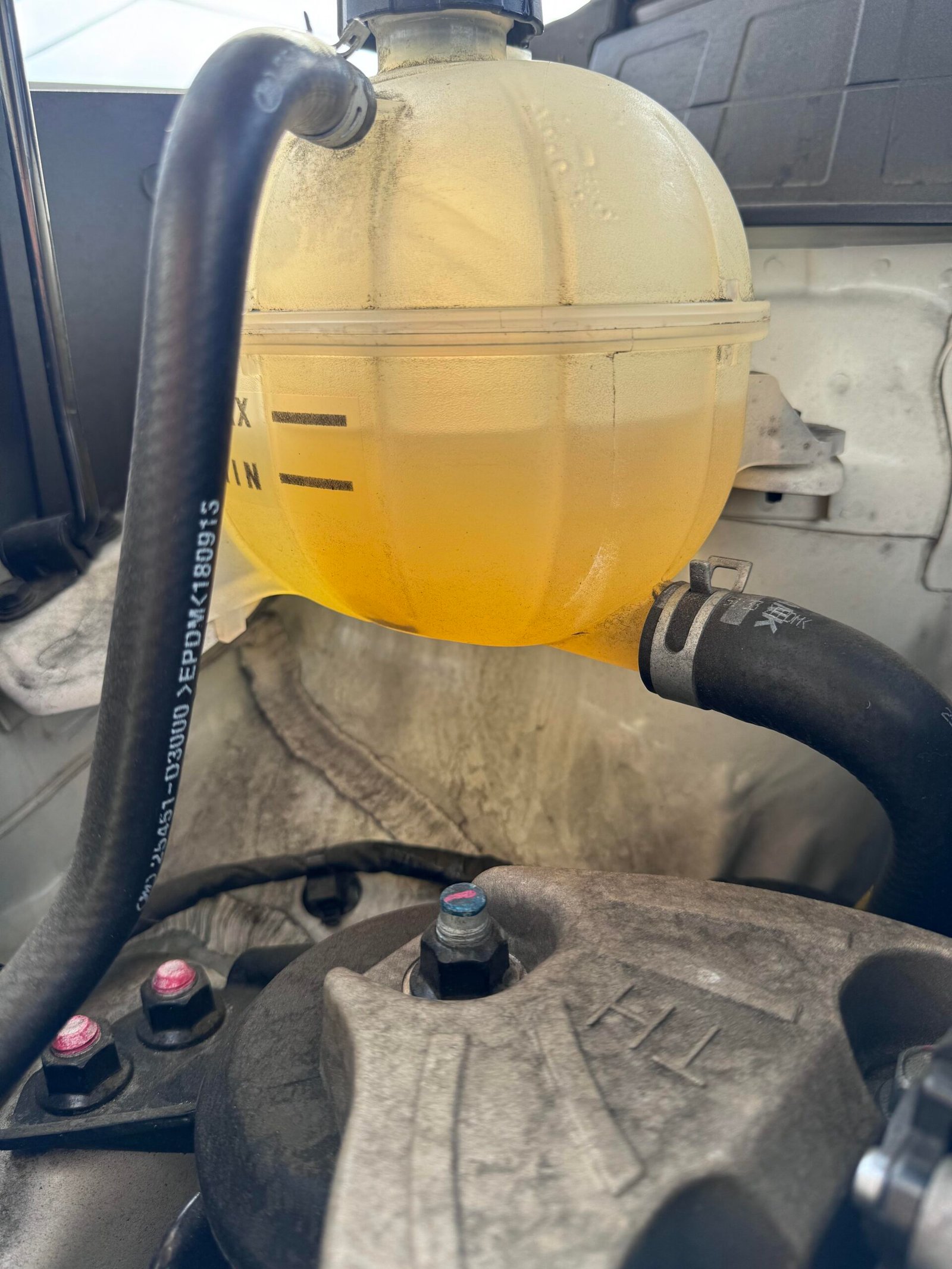
- Color changes: Fresh coolant is usually green, orange, pink, or blue (depending on type). If it looks brown, rusty, or cloudy, it’s time for a change.
- Unusual smells: A sweet or musty smell from the engine bay can mean leaking or old coolant.
- Low coolant level: If you notice the level dropping often, you may have a leak or the coolant is breaking down.
- Engine overheating: If your temperature gauge rises or you see steam, coolant may not be doing its job.
- Visible particles: Flakes, sludge, or floating debris in the reservoir are signs of corrosion or decay.
Ignoring these symptoms can lead to overheating, head gasket failure, or even a seized engine.
How To Check Coolant Condition
You don’t need to be a mechanic to check your coolant. Here’s a simple way to inspect it:
- Wait for the engine to cool. Never open the radiator cap on a hot engine—it can cause burns.
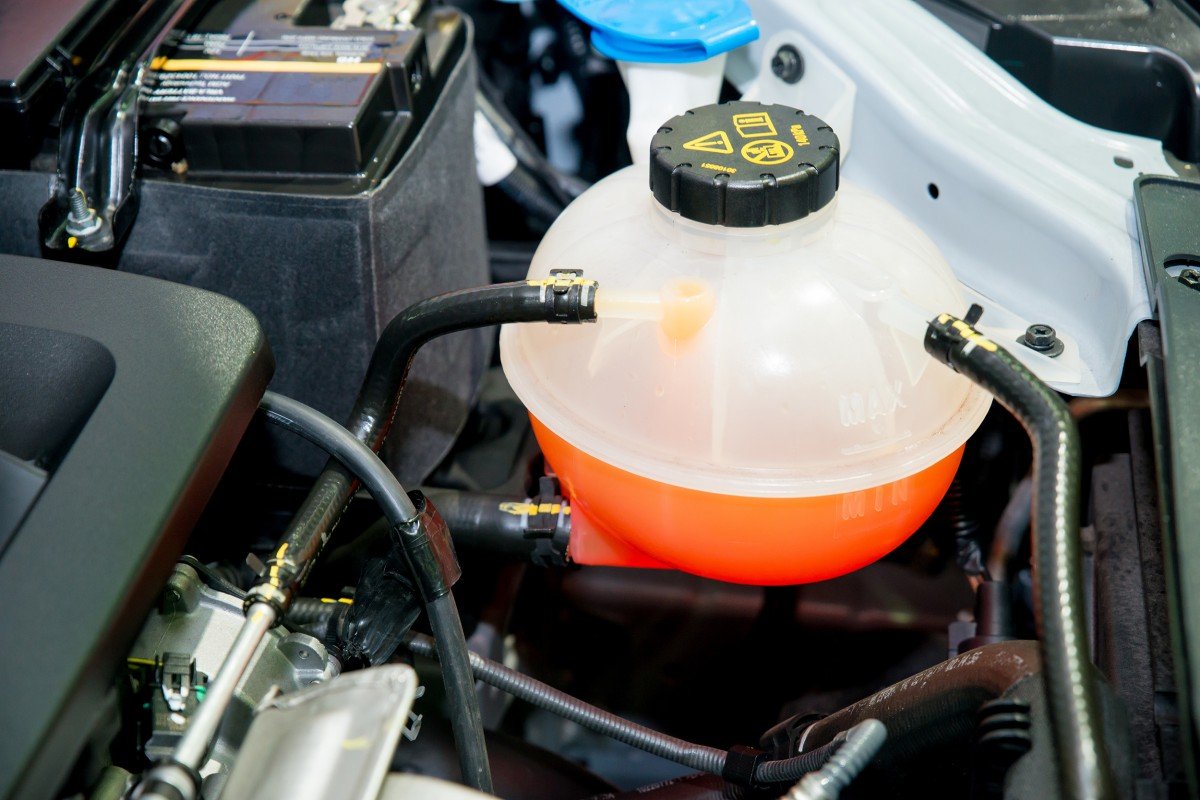
- Locate the coolant reservoir under the hood. Most are clear plastic with “MIN” and “MAX” lines.
- Check the color. Healthy coolant is bright and clear.
- Check the level. It should be between the marks. If it’s low, top it off with the correct type.
- Test with a hydrometer or test strips. These tools check the freezing/boiling point and pH. Many auto stores sell them for a few dollars.
A tip that many beginners miss: Even if coolant looks clean, its chemical properties can still degrade. A test strip can reveal problems you can’t see by eye.
Credit: www.reddit.com
What Happens If You Don’t Change Coolant?
Some drivers think they can skip coolant changes, especially if the car runs fine. This is risky. Here’s what can go wrong:
- Corrosion: Old coolant turns acidic, eating away at metal parts like radiators, water pumps, and heater cores.
- Clogging: Contaminated coolant leads to blockages in small passages, reducing cooling efficiency.
- Overheating: Poor heat transfer means your engine can overheat, causing serious damage.
- Head gasket failure: Extreme temperature swings can blow the gasket, leading to costly repairs.
- Shortened engine life: Over time, neglecting coolant changes can shorten the lifespan of your engine.
How To Change Coolant: Step-by-step Guide
If you’re comfortable with basic car maintenance, you can change coolant at home. Here’s a safe way to do it:
- Let the engine cool down completely.
- Find the radiator drain plug (usually at the bottom of the radiator).
- Place a drain pan under the plug to catch old coolant.
- Open the radiator cap and then the drain plug, letting coolant flow out.
- Close the plug and fill the system with distilled water.
- Run the engine for 5–10 minutes to flush.
- Let it cool, then drain again.
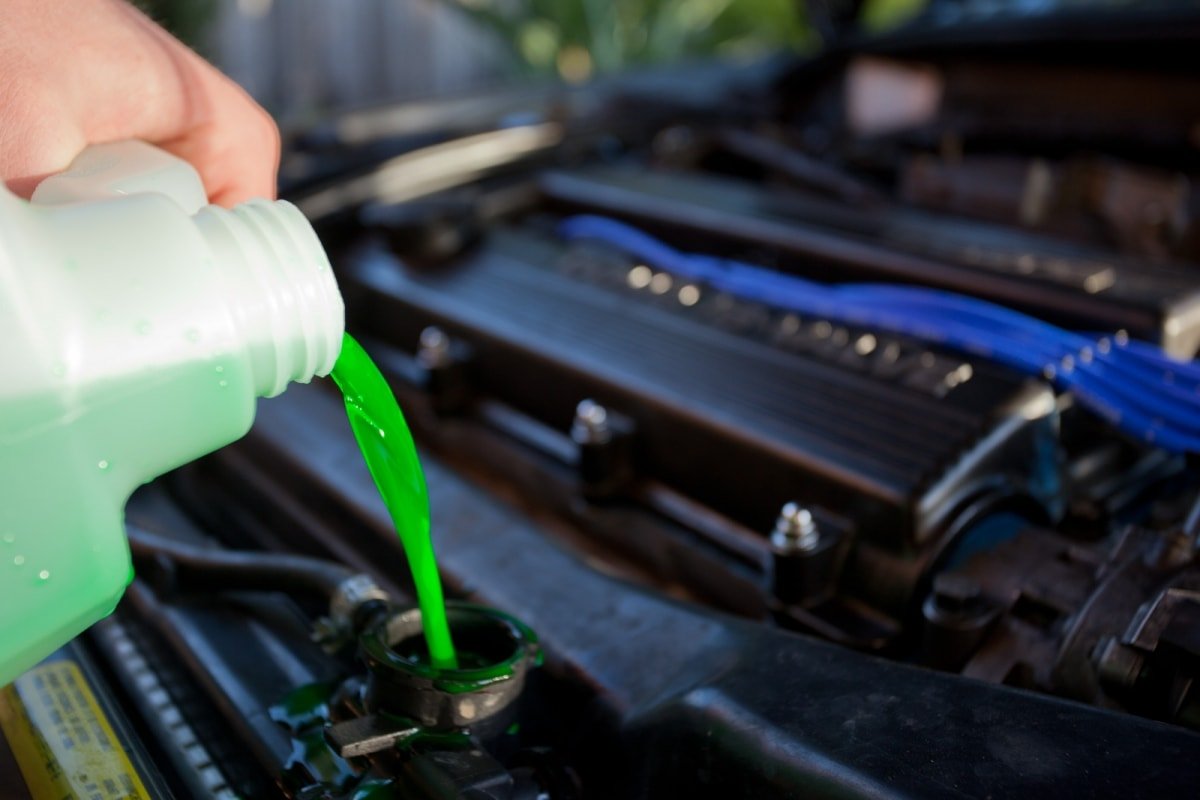
- Add new coolant mixed with distilled water (if not premixed). Follow your car’s ratio recommendations.
- Start the engine with the cap off to let air bubbles escape, then top off as needed.
- Dispose of old coolant safely. It’s toxic to animals and the environment.
Don’t forget: Modern cars often have bleed valves to help remove trapped air. Trapped air can cause overheating even after a coolant change.
Credit: merciej.com
Comparing Coolant Types
Different coolants offer different advantages. Here is a comparison of the most common types:
| Coolant Type | Color | Lifespan | Best For |
|---|---|---|---|
| IAT | Green | 2-3 years | Older vehicles (pre-1995) |
| OAT | Orange, Dark Green, Yellow | 5 years or more | Modern vehicles |
| HOAT | Yellow, Turquoise | 5 years | European, Asian vehicles |
Mixing different coolants is a common beginner mistake and can reduce lifespan or cause sludge.
Dealer Service Vs. Diy: Which Is Better?
Some people prefer to have a mechanic change their coolant, while others do it themselves. Here are the pros and cons:
| Option | Pros | Cons |
|---|---|---|
| Dealership/Service Center | Expert handling, proper disposal, warranty compliance | More expensive, takes more time |
| DIY at Home | Cheaper, flexible timing, personal satisfaction | Messy, risk of mistakes, need for proper disposal |
For new cars under warranty, stick with dealership service. For older cars, DIY is often fine if you follow the steps carefully.
Coolant Vs. Antifreeze: Are They The Same?
Many people use these words interchangeably, but there’s a small difference:
- Antifreeze is the concentrated liquid you buy in a bottle.
- Coolant is what you get after mixing antifreeze with water (usually 50/50).
Always use distilled water for mixing. Tap water can introduce minerals, leading to deposits or scaling inside your cooling system.
Extra Tips Most People Don’t Know
- Changing coolant before a long road trip can reduce the risk of breakdowns in remote areas.
- Never top up with only water unless it’s an emergency. This dilutes the corrosion protection.
- Look for leaks after a coolant change. Small leaks can appear where hoses connect.
- Replace the radiator cap if it’s old. A weak cap can cause loss of pressure and overheating.
- Don’t forget the heater core. If your cabin heater isn’t working well, it may be due to clogged or dirty coolant.
Surprisingly, a small air pocket is enough to cause engine overheating, even if your coolant is fresh and full. Always bleed the system well.
Environmental And Safety Concerns
Coolant is toxic. Never pour old coolant down the drain or on the ground. Most cities have hazardous waste collection points. Keep coolant away from pets and children; even a small amount can be deadly if swallowed.
How To Extend Coolant Life
- Use only the recommended type and brand for your car.
- Keep the cooling system clean by flushing every few years.
- Check hoses and radiator for leaks or cracks.
- Store unused coolant in a sealed, labeled container.
Regular checks and early changes can prevent most cooling system problems.
Frequently Asked Questions
How Do I Know If My Car Needs New Coolant?
Check the color and clarity of the coolant in the reservoir. If it’s dirty, rusty, or cloudy, it’s time to change. Also, watch for overheating or a low coolant warning light.
Can I Mix Different Coolant Brands Or Colors?
No. Mixing coolants can cause chemical reactions, leading to sludge, poor performance, or even engine damage. Stick to the type and color recommended by your car’s manufacturer.
What Happens If I Never Change My Coolant?
Over time, old coolant loses its protective qualities. This causes corrosion, blockages, overheating, and can lead to expensive engine repairs.
How Much Does It Cost To Change Coolant?
A basic coolant change at a shop costs $80–$150, depending on your car. Doing it yourself usually costs less than $40 for coolant and supplies. Some high-end cars may cost more.
Where Can I Learn More About Coolant Types And Maintenance?
For detailed information, you can visit the Wikipedia Antifreeze page for technical details and history.
Making coolant changes a regular part of your car care routine keeps your engine running longer and more efficiently. It’s a small step that makes a big difference for your vehicle’s health and your peace of mind.