
When To Change Power Steering Fluid
Many car owners never think about their power steering fluid. Yet, this simple fluid helps you turn the wheel smoothly and safely every day. If you ignore it for too long, steering can become hard, noisy, or even dangerous. So, how do you know when to change your power steering fluid? And why does it matter so much? Let’s dig deep into everything you need to know, including signs, intervals, and tips most beginners miss.
What Is Power Steering Fluid And Why Is It Important?
Power steering fluid is a special oil that makes it easy to steer your car. It acts as a hydraulic fluid, creating pressure to help you turn the wheels with little effort. The fluid also lubricates moving parts inside the power steering system, stopping wear and preventing rust.
Without clean, fresh power steering fluid, your steering can get stiff, noisy, or even fail. Dirty fluid can damage expensive parts like the pump, hoses, and steering rack. That’s why changing this fluid at the right time is not just a suggestion—it’s a must for safe and easy driving.
How Often Should You Change Power Steering Fluid?
There isn’t a single answer that fits every car. The right interval depends on your car’s make, model, and how you drive. Here’s what you should know:
- Check Your Owner’s Manual: Most car manuals say when to change the power steering fluid. For many cars, it’s between 40,000 and 80,000 kilometers (about 25,000 to 50,000 miles). Some models may recommend every 2 to 3 years instead.
- Driving Conditions Matter: If you drive in hot weather, stop-and-go traffic, or make lots of sharp turns, the fluid can break down faster. In these cases, it’s smart to check or change the fluid more often.
- Type of Fluid Used: Synthetic fluids last longer than regular ones. Check if your car needs a special type of power steering fluid.
Pro Tip: Many modern cars now use electric power steering, which does not use fluid at all. Always check if your car even needs this service.
Signs Your Power Steering Fluid Needs Changing
You don’t always have to wait for a set schedule. Your car often gives warnings when the power steering fluid is old or dirty. Watch for these signs:
- Strange Noises: If you hear whining or squealing when turning the wheel, it might be low or dirty fluid.
- Hard Steering: When turning the wheel feels stiff or jerky, old fluid could be the cause.
- Fluid Looks Dark or Dirty: Fresh power steering fluid is usually red, pink, or clear. If it’s brown or black, it’s time for a change.
- Burning Smell: Overheated or old fluid can smell burnt.
- Foamy or Bubbly Fluid: This may mean air or water has gotten into the system.
- Leaking Fluid: If you see puddles under your car, check if it’s coming from the power steering.
Ignoring these signs can lead to expensive repairs. Even if you don’t notice problems, it’s smart to check the fluid regularly.
How To Check Power Steering Fluid
Checking your power steering fluid is easy. You don’t need to be a mechanic. Here’s how:
- Park your car on a level surface and turn off the engine.
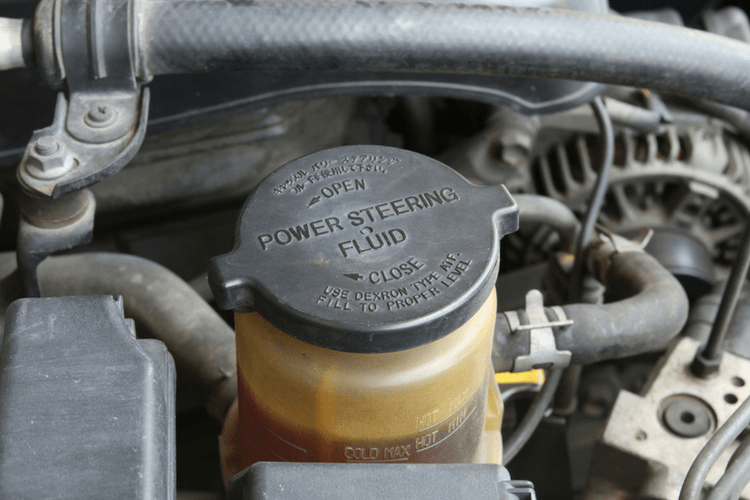
- Open the hood and find the power steering reservoir (usually labeled).
- Wipe the cap clean to prevent dirt from falling in.
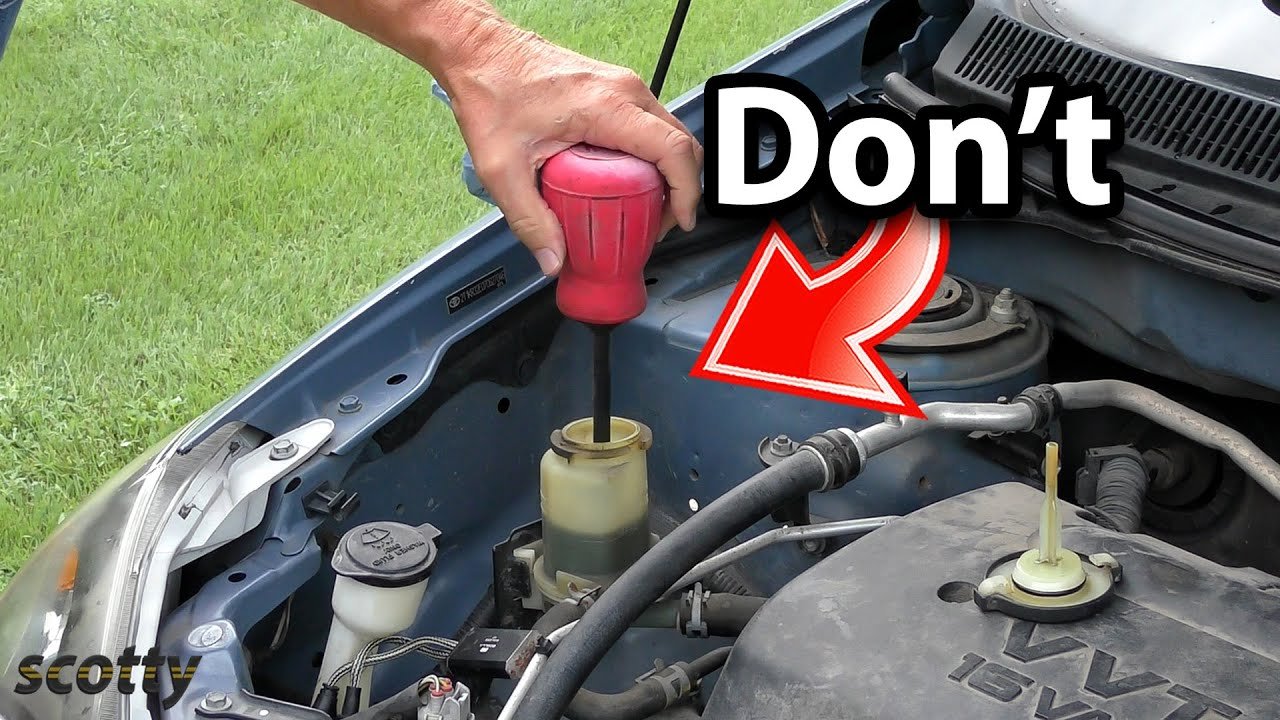
- Remove the cap and check the dipstick or marks on the reservoir.
- Look at the fluid’s color and level. It should be between the “MIN” and “MAX” marks.
If the fluid is low, add the correct type. If it looks dark or smells burnt, plan to change it soon.
Credit: www.youtube.com
Comparing Power Steering Fluid Change Intervals
Different car brands and models recommend different intervals for changing the power steering fluid. Here’s a quick comparison:
| Car Brand | Recommended Interval | Special Notes |
|---|---|---|
| Toyota | Every 40,000–60,000 km | Check manual for fluid type |
| Honda | Every 50,000–80,000 km | Use only Honda-specific fluid |
| Ford | Every 60,000 km | Inspect for leaks often |
| BMW | Every 100,000 km | Uses synthetic fluid |
| Hyundai | Every 60,000–80,000 km | Manual may not mention interval |
Insight: Some cars never mention a change interval. This doesn’t mean you never need to change the fluid. If your manual is silent, check the fluid’s color every year and change when it looks dirty.
Step-by-step: How To Change Power Steering Fluid
If you’re comfortable with simple car maintenance, you can change the power steering fluid yourself. Here’s a clear guide:
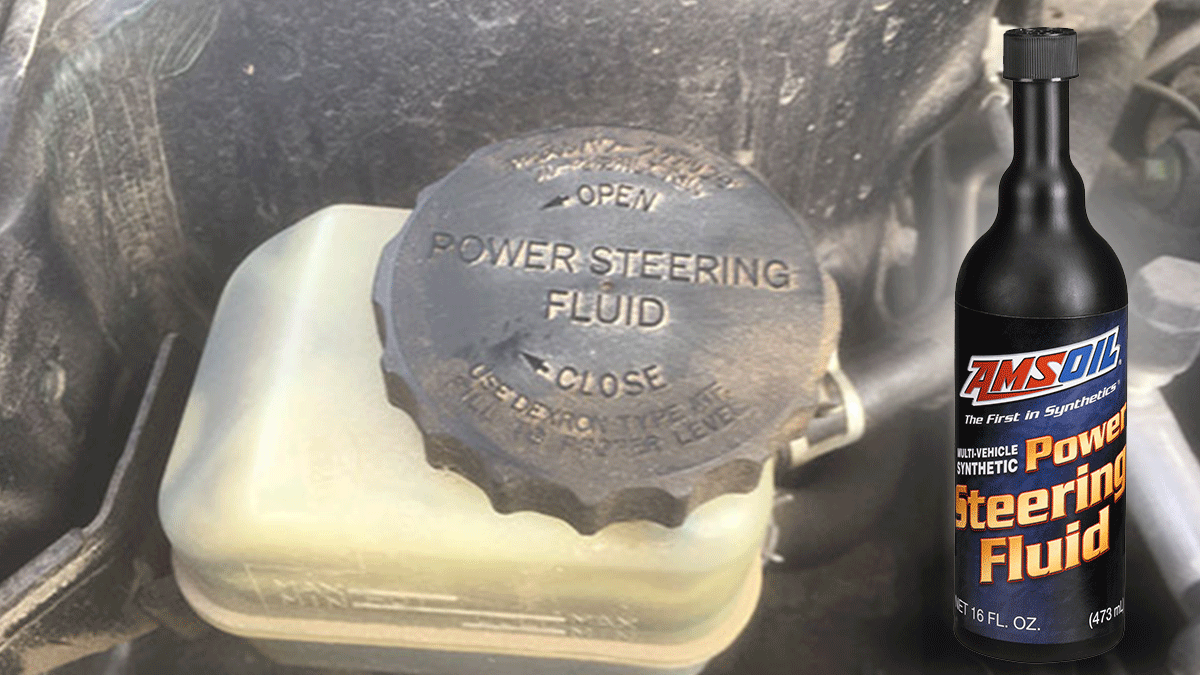
- Buy the Right Fluid: Check your manual or ask your dealer to get the correct type.
- Gather Tools: You’ll need a turkey baster or suction pump, rags, a drain pan, and gloves.
- Remove Old Fluid: Use the turkey baster to suck out as much old fluid as possible from the reservoir.
- Add New Fluid: Pour new fluid in until the reservoir is full.
- Start the Engine: Turn the wheel left and right several times to move new fluid through the system.
- Repeat: Turn off the car and remove more dirty fluid. Add more new fluid. Repeat until you see only clean fluid.
- Check for Leaks: Look under your car and around hoses for any leaks.
- Final Top-Up: Make sure the reservoir is filled to the correct level.
Warning: Some systems need a full flush for a deep clean. If you aren’t sure, or if the fluid is very dirty, get help from a mechanic.
Credit: www.goldeagle.com
Symptoms Of Bad Power Steering Fluid
Not all problems are easy to spot at first. Here are some less obvious signs that beginners often miss:
- Steering Wheel Vibrates: Especially when idling, this can mean air or dirt is in the fluid.
- Unusual Tire Wear: Hard steering can cause uneven tire wear.
- Groaning Sounds at Low Speeds: This is often the first hint of trouble.
- Fluid Level Drops Often: You may have a slow leak, even if you never see puddles.
Experience Tip: If you ever hear a “growling” sound when turning, check the fluid right away. Letting the pump run dry for even a few minutes can destroy it.
Risks Of Not Changing Power Steering Fluid
Skipping fluid changes might save time now, but it costs you later. Here’s what can go wrong:
- Pump Failure: Dirty fluid wears out the pump, which can cost hundreds to replace.
- Stiff or Stuck Steering: Old fluid loses its ability to help you turn the wheel.
- Corroded Parts: Old fluid absorbs moisture and dirt, causing rust inside the system.
- Leaks: Dirty fluid can eat away at seals, causing leaks.
- Expensive Repairs: A full system replacement can cost thousands, much more than a simple fluid change.
Power Steering Fluid Vs. Other Car Fluids
It’s easy to confuse power steering fluid with other fluids under the hood. Here’s a quick comparison to help you spot the difference:
| Fluid | Main Function | Typical Color | Change Interval |
|---|---|---|---|
| Power Steering Fluid | Helps turn the steering wheel | Red, pink, or clear | 40,000–80,000 km |
| Brake Fluid | Transfers brake pressure | Clear or light yellow | 2 years |
| Transmission Fluid | Lubricates transmission | Red or brown | 60,000–100,000 km |
| Coolant | Keeps engine cool | Green, orange, or pink | 5 years or 100,000 km |
Non-obvious Insight: Some manufacturers use automatic transmission fluid (ATF) as power steering fluid. Never assume—always check your owner’s manual.
How To Make Power Steering Fluid Last Longer
Want your fluid (and your steering system) to last? Here are some tips:
- Check Fluid Regularly: At least every oil change.
- Don’t Overfill: Too much fluid can cause leaks.
- Use the Right Type: Mixing fluids can damage seals and hoses.
- Fix Leaks Fast: Even small leaks let dirt and water in.
- Avoid Holding the Wheel Fully Turned: This puts extra stress on the pump and fluid.
Can You Change Power Steering Fluid Too Often?
Changing the fluid too much is not bad for your car, but it’s usually a waste of money. If you follow your car’s schedule and watch for signs of dirty fluid, you won’t need to change it more than needed.
Diy Vs. Professional Service
Some people like to change their own fluids, while others prefer a mechanic. Here’s a quick comparison:
| Method | Pros | Cons |
|---|---|---|
| DIY | Cheaper, quick, can do anytime | Messy, easy to spill, may miss hidden problems |
| Professional | Thorough, checks for leaks, uses correct fluid | Costs more, needs appointment |
Credit: blog.amsoil.com
Environmental Impact
Used power steering fluid can harm the environment if not disposed of properly. Never pour old fluid down drains or onto the ground. Most auto shops and recycling centers accept used fluids. Always recycle when possible. For more on safe car fluid disposal, check the EPA guidelines.
Frequently Asked Questions
How Do I Know If My Car Uses Power Steering Fluid?
Most cars with hydraulic power steering use fluid. Check your owner’s manual or look for a reservoir under the hood. Newer cars with electric power steering do not use fluid.
What Happens If I Never Change The Power Steering Fluid?
Old fluid can damage the pump, hoses, and steering rack. This can lead to hard steering, leaks, and expensive repairs.
Can I Use Any Type Of Power Steering Fluid?
No. Always use the type recommended in your manual. Some cars need special synthetic or manufacturer-specific fluids.
Is Changing Power Steering Fluid Expensive?
A DIY fluid change can cost less than $20. At a shop, expect to pay $75–$150, depending on your car and location.
How Do I Dispose Of Old Power Steering Fluid?
Take used fluid to a recycling center or auto shop. Never pour it into drains or trash. Check local laws for disposal rules.
Taking care of your power steering fluid may seem simple, but it keeps your car safe and easy to drive. By knowing when and how to change it, you protect both your wallet and your vehicle’s performance for years to come.