
Changing transmission fluid is one of those car maintenance tasks people often forget. Yet, the health of your vehicle’s transmission system depends on it. Some drivers believe transmission fluid lasts forever, while others change it too often. So, when is the right time to change it? Understanding the signs, schedules, and importance of transmission fluid changes can save you from expensive repairs and keep your car running smoothly for years.
What Does Transmission Fluid Do?
Transmission fluid is more than just a lubricant. It helps cool the transmission, reduces friction, and allows smooth shifting of gears. For automatic transmissions, it also powers the transmission through hydraulic pressure. Manual transmissions use a different type of fluid, but the principle is the same: without good fluid, your transmission can overheat, wear out, or fail.
How Often Should You Change Transmission Fluid?
There is no universal answer. The best time to change your transmission fluid depends on several factors:
- Type of transmission (automatic or manual)
- Driving conditions
- Vehicle age and mileage
- Manufacturer recommendations
Most car makers suggest changing automatic transmission fluid every 30,000 to 60,000 miles. For manual transmissions, the range is 30,000 to 50,000 miles. However, some newer vehicles claim “lifetime” fluid, which can be misleading. “Lifetime” usually means the fluid will last until the transmission fails, not that it will never need changing.
Manufacturer’s Recommendations
Always check your owner’s manual. Car makers test their vehicles under many conditions to find the right fluid change interval. Sometimes, they list two schedules: one for normal driving, and one for severe conditions.
Here’s a quick look at how recommendations vary by manufacturer:
| Manufacturer | Suggested Change Interval (Miles) | Notes |
|---|---|---|
| Honda | 30,000–60,000 | Severe driving may need shorter intervals |
| Toyota | 60,000–100,000 | Many models have “lifetime” fluid claims |
| Ford | 30,000–60,000 | Heavy use may require more frequent changes |
| BMW | 100,000+ (lifetime) | “Lifetime” means until transmission fails |
Don’t rely only on the “lifetime” label. For long-term car health, it’s wise to change the fluid before problems appear.
Credit: www.wikihow.com
Signs Your Transmission Fluid Needs Changing
Even if you follow the manufacturer’s schedule, sometimes your car needs attention sooner. Watch for these common signs:
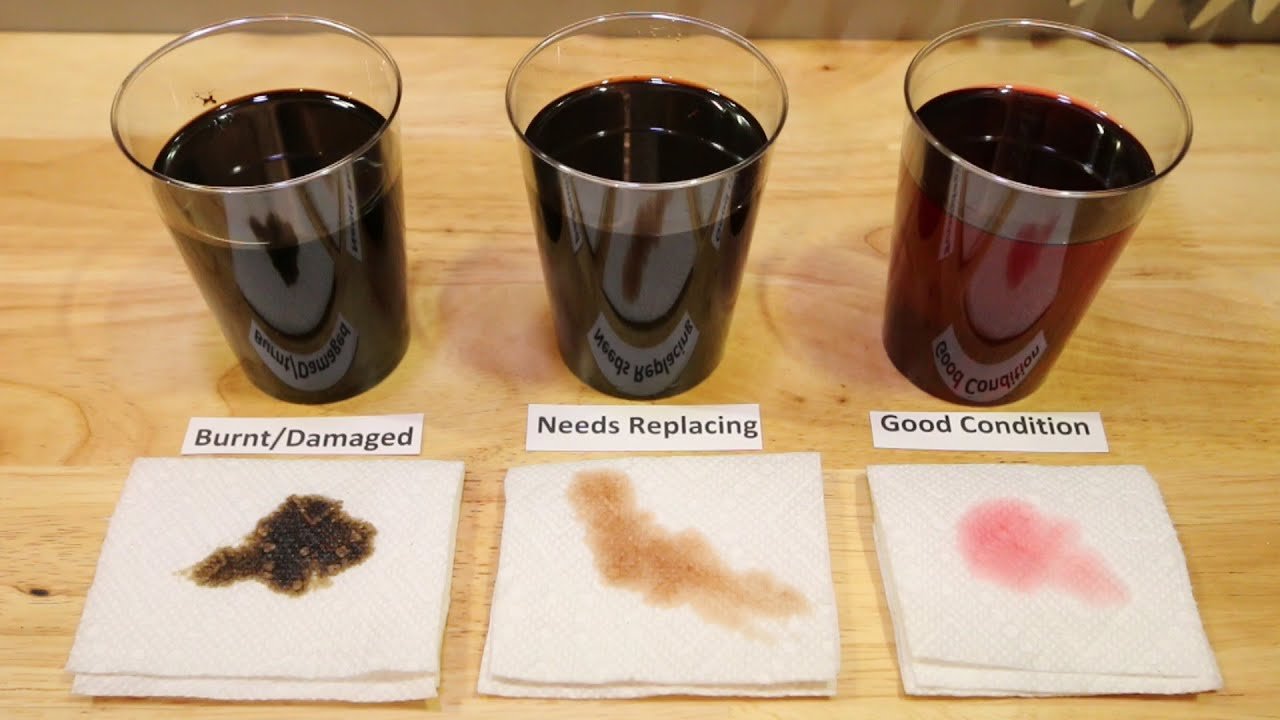
- Dirty or Dark Fluid: Fresh transmission fluid is usually bright red or green. If it looks brown, smells burnt, or feels gritty, it’s time for a change.
- Delayed Shifting: If your car hesitates when changing gears, low or old fluid could be the cause.
- Strange Noises: Whining, clunking, or humming sounds from the transmission mean the fluid may not be protecting internal parts.
- Slipping Gears: If the transmission slips out of gear, fluid level or quality might be the issue.
- Transmission Overheating: Overheating can cause serious damage. If your dashboard shows a warning light or you notice the car running hot, check the fluid.
Factors That Affect Transmission Fluid Life
Not all cars or drivers are the same. Some conditions wear out transmission fluid faster:
- Towing heavy loads
- Stop-and-go traffic
- Driving in hot climates
- Frequent short trips
- Mountain driving
Under these conditions, experts recommend changing fluid at the lower end of the mileage range. For example, if your manual says 60,000 miles but you tow a trailer or drive in the city every day, consider changing it at 30,000 miles.
Credit: www.wilsonautomotive.com
Automatic Vs Manual Transmission Fluid Changes
There are important differences between automatic and manual transmissions.
| Transmission Type | Fluid Type | Change Interval (Miles) | Typical Signs Fluid Needs Changing |
|---|---|---|---|
| Automatic | ATF (Automatic Transmission Fluid) | 30,000–60,000 | Slipping, delayed shifts, noise |
| Manual | Gear oil or MTF | 30,000–50,000 | Grinding gears, hard shifts |
Automatic transmissions often have a dipstick for checking fluid. Manuals may need the fluid level checked from under the car. The type of fluid also varies—using the wrong type can cause damage.
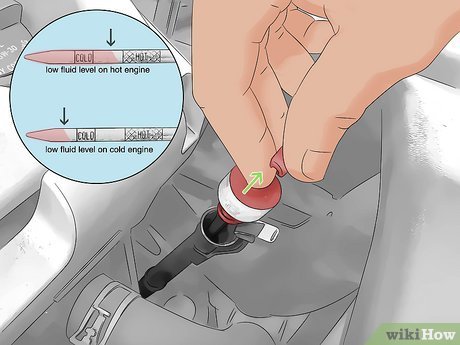
How To Check Transmission Fluid
Checking your fluid is simple in most cars:
- Park your car on a level surface.
- Start the engine and let it warm up.
- Find the dipstick (usually marked and near the engine).
- Pull out the dipstick, wipe it clean, reinsert, and pull it out again.
- Check the level and color. Fluid should be within the marked area and look clear, not cloudy or brown.
Some cars have sealed transmissions with no dipstick. For these, a mechanic must check the fluid.
What Happens If You Don’t Change Transmission Fluid?
Skipping fluid changes can lead to serious problems:
- Increased wear: Old fluid can’t protect gears and bearings.
- Overheating: Dirty fluid loses its cooling ability.
- Slipping or harsh shifting: Can make driving unsafe.
- Costly repairs: Transmission replacements can cost thousands of dollars.
Some drivers notice their transmission failing soon after a late fluid change. This is usually because the damage was already done by the old fluid—not because of the new fluid. Changing fluid regularly prevents this.
Diy Or Mechanic: Who Should Change The Fluid?
Changing transmission fluid is more complex than an oil change. It may involve:
- Removing the transmission pan
- Replacing the filter
- Flushing out old fluid
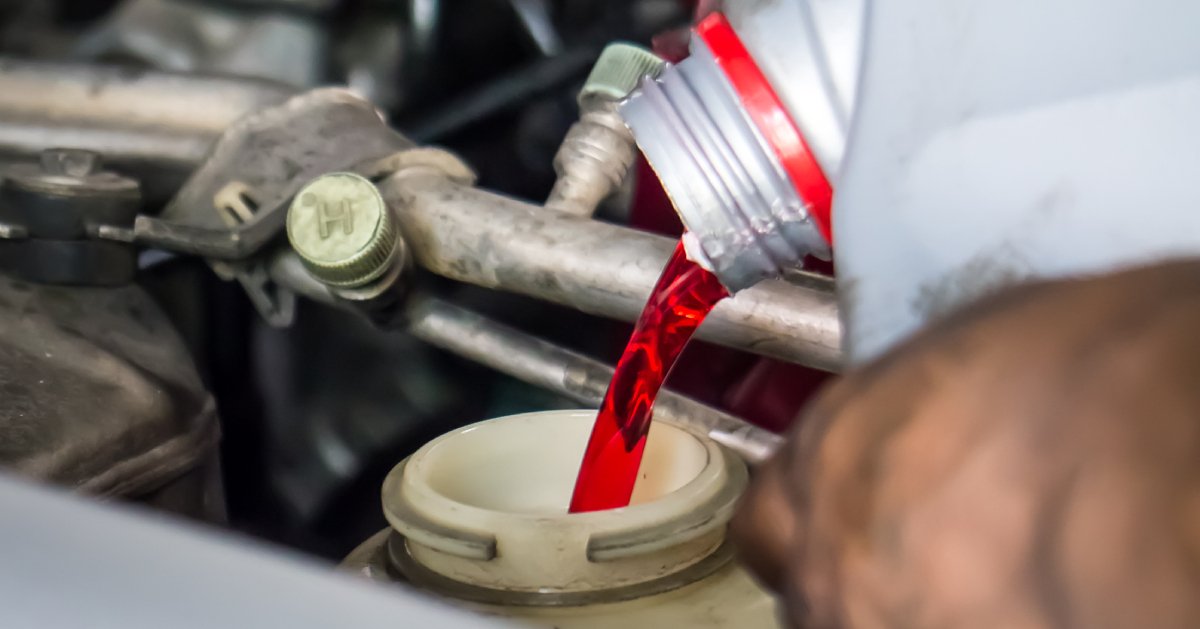
- Refilling with the correct type and amount
If you have experience and tools, you can do it at home. However, mistakes can be costly—using the wrong fluid, overfilling, or leaving dirt inside can damage the transmission. Most drivers are safer visiting a trusted mechanic.
Common Myths About Transmission Fluid
Many car owners believe myths that can hurt their vehicle:
- “Lifetime” fluid lasts forever: In reality, it just means longer intervals or until the transmission fails.
- Never change old fluid in high-mileage cars: Some think new fluid will cause slipping. Usually, the damage has already been done by neglect.
- Transmission fluid doesn’t wear out: Heat, friction, and contamination break down fluid over time.
How Much Does A Transmission Fluid Change Cost?
Costs vary depending on car type, fluid type, and labor rates. Here’s an estimate:
| Car Type | Fluid Change Only | Fluid Change + Filter | Transmission Flush |
|---|---|---|---|
| Standard sedan | $80–$150 | $150–$250 | $200–$300 |
| SUV/Truck | $120–$200 | $200–$350 | $250–$400 |
Flushing the transmission (removing all old fluid) costs more but is sometimes needed for heavily used or older vehicles.
Credit: www.youtube.com
Two Insights Most Drivers Miss
First, many new vehicles have sealed transmissions that don’t allow owners to check or change fluid easily. Drivers often assume “sealed” means maintenance-free. In reality, these transmissions still need fluid changes—just less often and by professionals.
Second, transmission fluid changes are more critical for vehicles with turbocharged or high-performance engines. These engines put more stress on the transmission, so fluid breaks down faster. If you drive a sporty car or tow heavy loads, consider shorter intervals, even if your manual says otherwise.
Practical Tips For Transmission Fluid Maintenance
- Always use the correct type of fluid. Mixing types can cause damage.
- Check for leaks regularly under your car; even small leaks can lead to big problems.
- Warm up your car before checking fluid to get an accurate reading.
- Don’t overfill the transmission; too much fluid can cause pressure problems.
- Keep service records to track when fluid was last changed.
Frequently Asked Questions
How Can I Tell If My Transmission Fluid Is Low?
Look for signs like slipping gears, delayed shifting, or unusual noises. If your car has a dipstick, check the level with the engine running and the car in park. Low fluid often means there is a leak.
Is It Safe To Change Transmission Fluid In High-mileage Cars?
Yes, but if the fluid has never been changed and is very dirty, some risk exists. The new fluid can dislodge old debris, but not changing it is usually worse. If worried, ask a mechanic for advice.
Can I Use Any Transmission Fluid?
No. Always use the type specified in your owner’s manual. Using the wrong fluid can cause serious damage and void warranties.
What’s The Difference Between A Flush And A Drain-and-fill?
A drain-and-fill replaces some of the old fluid, while a flush removes nearly all fluid from the system. Flushing is more thorough but not always necessary unless fluid is very dirty.
Where Can I Find My Car’s Transmission Fluid Change Schedule?
Check your owner’s manual or the manufacturer’s website. You can also consult resources like the Wikipedia page on automatic transmission fluid for general information.
Changing transmission fluid may not be exciting, but it’s essential for a healthy, long-lasting car. Pay attention to your car’s needs, follow the recommended schedule, and your transmission will thank you with years of trouble-free driving.