
When you drive your car every day, you rarely think about the parts under the hood. But there is one part that quietly does a very important job: the timing belt. This small piece of reinforced rubber keeps your engine working in perfect harmony. If it fails, the results can be expensive and sometimes dangerous. Many drivers ask, “When should I replace my timing belt?” The answer is not always simple, but knowing when to act can save you money and stress.
Let’s explore how the timing belt works, signs of wear, why replacement is so important, and how to make the right decision for your car. This guide uses simple language and real-world examples so you can feel confident about your next steps.
What Is A Timing Belt And Why Is It Important?
Your car’s engine has many moving parts. The timing belt keeps the camshaft and crankshaft moving together in perfect time. This allows the engine’s valves to open and close at the right moment. If the timing is off, your engine can run badly or even suffer major damage.
Most timing belts are made of rubber with strong fibers inside. They are designed to be tough, but they wear out over time because of heat, oil, and stress.
If your car has a timing chain instead, the replacement rules are different. Timing chains are metal and usually last longer, but they still need to be checked.
When Should You Replace Your Timing Belt?
Car makers usually recommend a timing belt change between 60,000 and 100,000 miles (about 96,000 to 160,000 kilometers), or every 5 to 7 years, whichever comes first. The exact number depends on your car’s make, model, and engine type.
For example:
- Some older Honda and Toyota models need a new belt every 60,000 miles.
- Many modern cars can go up to 100,000 miles before replacement.
- European brands often recommend shorter intervals due to their engine designs.
Always check your owner’s manual for the correct schedule. If you are not sure, ask your mechanic or search for your car’s service information online.
Mileage Vs. Age: Which Matters More?
People often focus on miles, but age is also important. Rubber gets weak over time, even if you don’t drive much. If your car is ten years old and still has the original belt, replace it—even if you haven’t reached the mileage limit.
Severe Driving Conditions
If you drive in harsh conditions, your belt might wear out faster. These conditions include:
- Very hot or cold weather
- Dusty or sandy roads
- Lots of stop-and-go driving
- Carrying heavy loads often
If your car faces these stresses, consider changing the timing belt earlier than the manual suggests.
Credit: www.youtube.com
Signs Your Timing Belt Needs Replacement
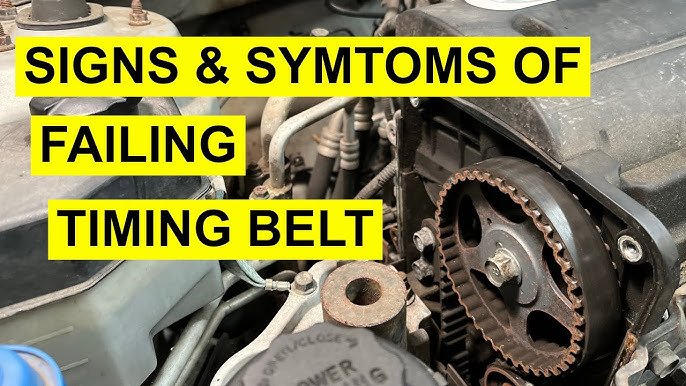
Sometimes, the timing belt gives warning signs before it fails. Watch for:
- Engine misfires: The engine may shake, hesitate, or lose power.
- Ticking noise: A fast, ticking sound from the engine could mean the belt is loose or worn.
- Rough idling: The engine runs unevenly when stopped.
- Difficulty starting: The engine cranks but does not start easily.
- Oil leaks: Oil near the timing belt cover can damage the belt.
- Visible wear: If you look under the timing cover and see cracks, glazing, or missing teeth, it’s time for a change.
However, sometimes the belt breaks with no warning at all. That’s why following the schedule is so important.
What Happens If You Don’t Replace The Timing Belt?
A broken timing belt can cause your engine to stop suddenly. In some engines, called interference engines, this can lead to pistons hitting valves. The damage can be serious, such as:
- Bent or broken valves
- Damaged pistons
- Cracked cylinder head
Repair costs often range from $1,500 to over $4,000. In many cases, it’s cheaper to replace the whole engine.
Here’s a quick look at the difference:
| Timing Belt Fails | Result | Typical Cost |
|---|---|---|
| Non-interference engine | Engine stops, no internal damage | $400–$1,000 (belt replacement) |
| Interference engine | Major engine damage | $1,500–$4,000+ (engine repair) |
Non-obvious insight: Many people think “My car runs fine, so the belt is OK.” But timing belts often look fine on the outside, even when they are weak inside.
How To Check If Your Car Has A Timing Belt
Not all cars use timing belts. Some use timing chains or gears. You can find out by:
- Checking your owner’s manual
- Looking up your car’s engine type online
- Asking a trusted mechanic
Here are some examples:
| Car Model | Engine Type | Timing Belt or Chain? |
|---|---|---|
| 2010 Honda Civic 1.8L | 4-cylinder | Chain |
| 2008 Toyota Camry 2.4L | 4-cylinder | Belt |
| 2015 Ford Focus 2.0L | 4-cylinder | Chain |
| 2006 Subaru Outback 2.5L | 4-cylinder | Belt |
Non-obvious insight: Some engines changed from belt to chain in later years, so two cars with the same name might have different parts.
What’s Involved In Timing Belt Replacement?
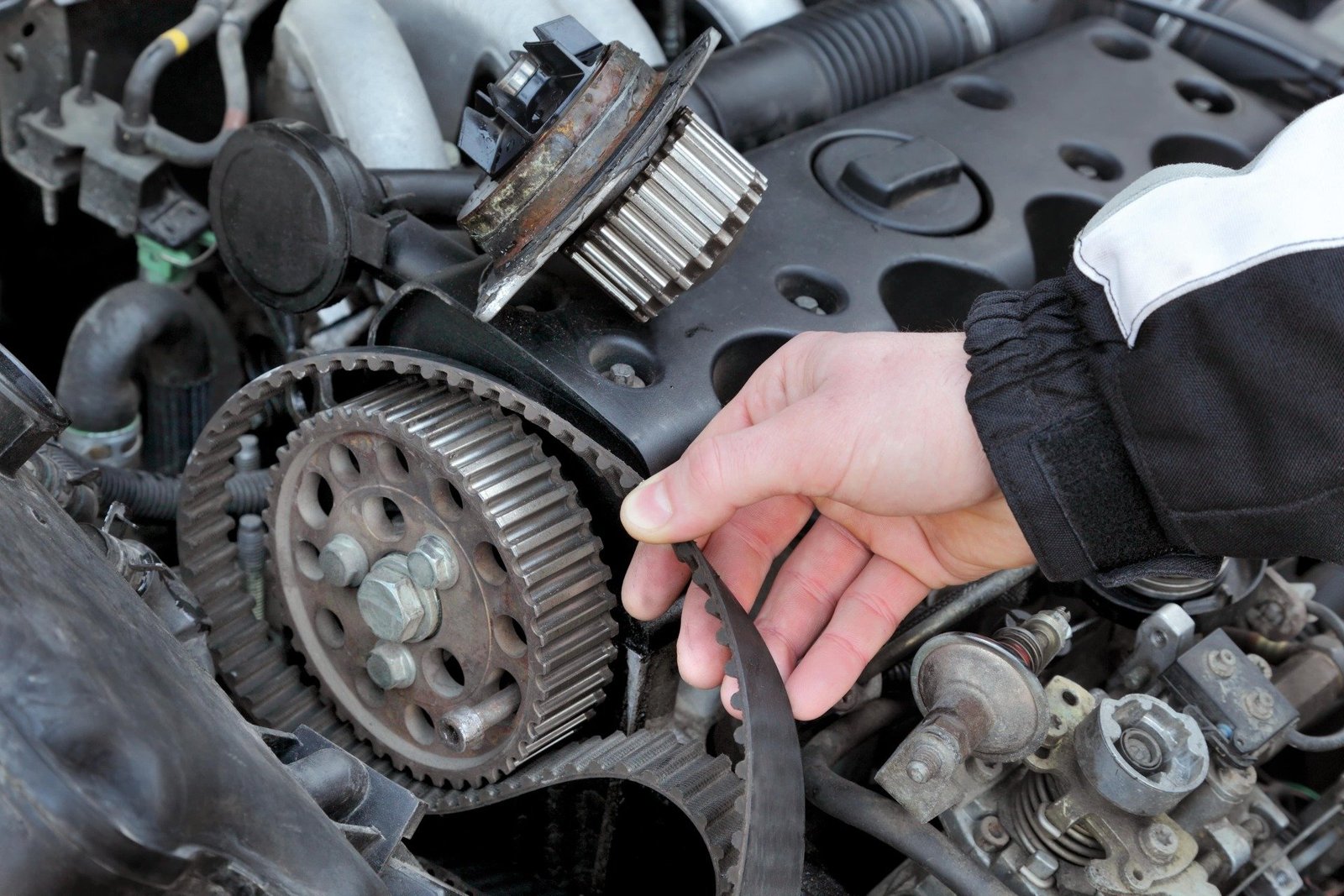
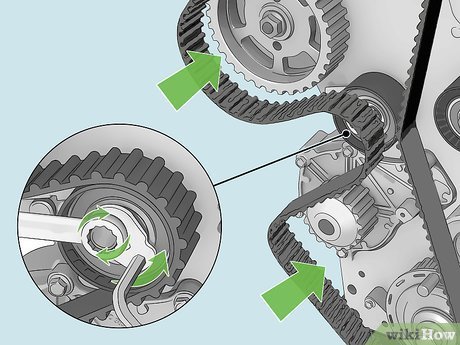
Changing a timing belt is not a simple job. It usually takes 3–6 hours of labor, depending on the car. Mechanics will:
- Remove parts like covers, pulleys, and sometimes the water pump
- Align engine timing marks
- Install a new belt, tensioner, and sometimes idler pulleys
It’s smart to replace the water pump at the same time if it is driven by the belt. The cost for parts and labor together is usually between $400 and $1,000.
Tip: Always ask for high-quality parts. Cheap belts may not last as long, and a failure can cost much more in repairs.
Timing Belt Vs. Timing Chain: What’s The Difference?
Timing belts and chains do the same job, but they have important differences:
| Feature | Timing Belt | Timing Chain |
|---|---|---|
| Material | Rubber with fibers | Metal |
| Replacement Interval | 60,000–100,000 miles / 5–7 years | Often lasts life of car, but check after 150,000 miles |
| Noise | Quieter | Louder (can rattle when worn) |
| Cost | Less expensive to replace | More expensive if replacement needed |
| Failure Risk | Can fail without warning | Usually gives warning (noise, rough running) |
If your car uses a timing chain, still ask your mechanic to check it during major services. Chains can stretch or wear, especially if oil changes are not done on time.
Mistakes To Avoid With Timing Belt Replacement
Many car owners make these common mistakes:
- Ignoring the schedule: Waiting too long can lead to expensive repairs.
- Replacing only the belt: Skipping the tensioner, idler pulleys, or water pump can cause early failure.
- Using cheap parts: Saving a little now can cost much more later.
- DIY without knowledge: Timing must be perfect; a small mistake can damage the engine.
- Not checking for oil leaks: Oil weakens the new belt and shortens its life.
If you plan to keep your car for several more years, always do a full timing belt service. If you plan to sell soon, you still need to replace it for safety and to keep your car’s value.
Credit: thesignatureautomotive.com
How Mechanics Decide Timing Belt Service
A good mechanic will:
- Check your car’s service schedule
- Inspect the belt for cracks, missing teeth, or oil contamination
- Listen for unusual engine noises
- Advise replacing related parts (water pump, tensioner, etc.)
- Explain the risks of waiting
Some shops will try to sell unnecessary work. Always ask for your old parts after replacement and request a clear explanation of what was changed.
Cost Vs. Value: Is Timing Belt Replacement Worth It?
Replacing your timing belt costs money, but it is much cheaper than repairing engine damage. Think of it as insurance for your engine.
For example, if your car is worth $5,000 and the timing belt service costs $800, it’s a smart investment to avoid a $3,000 engine repair. If your car is old and not worth much, you might think twice. But remember, a broken timing belt often means the car is not drivable until fixed.
Credit: www.wikihow.com
Real-world Examples
- Maria’s 2007 Honda Accord: Maria waited until 120,000 miles to change her timing belt, even though the manual said 105,000. Her mechanic found cracks starting to form. She was lucky—the belt could have failed at any moment.
- John’s 2004 Subaru Outback: John ignored the timing belt for 12 years because he only drove 5,000 miles each year. The belt broke and caused $2,500 in engine damage. Age, not just miles, matters.
- Ali’s 2013 Toyota Corolla: Ali’s car has a timing chain, so no scheduled replacement is needed. But he still gets it checked every 100,000 miles for safety.
Timing Belt Replacement: A Step-by-step Overview
If you wonder what happens during a timing belt replacement, here’s a simplified process:
- Mechanic disconnects the battery and removes engine covers.
- They line up timing marks to keep engine parts in sync.
- Old belt, tensioner, and sometimes the water pump are removed.
- New parts are installed and everything is double-checked.
- Engine is turned by hand to make sure timing is correct.
- Covers are replaced and the engine is started.
This job is best left to trained professionals, unless you have good experience and tools.
How To Keep Your Timing Belt Healthy
- Change your oil on time: Clean oil keeps the belt and tensioner in good condition.
- Fix oil leaks quickly: Oil shortens belt life.
- Listen for new noises: Ticking or slapping sounds should be checked.
- Follow the replacement schedule, even if the belt looks OK.
Frequently Asked Questions
How Do I Know If My Timing Belt Needs To Be Replaced?
Check your owner’s manual for the recommended change interval. If you see cracks, hear ticking noises, or the engine runs poorly, get it checked soon. But often, there are no signs before failure.
Can I Replace The Timing Belt Myself?
It’s possible for skilled people with the right tools, but mistakes can ruin your engine. Most people should trust a professional mechanic for this job.
What Happens If I Wait Too Long To Replace My Timing Belt?
You risk sudden engine failure and, with some engines, expensive internal damage. It could leave you stranded and cost thousands to fix.
Is It Necessary To Replace The Water Pump With The Timing Belt?
If the water pump is driven by the belt, it’s wise to change both. Labor overlaps, so you save money by doing them together. A failed pump can ruin a new belt.
Where Can I Find The Service Interval For My Car’s Timing Belt?
Look in your car’s owner’s manual or on the manufacturer’s website. You can also ask a mechanic or check a trusted resource like Wikipedia for more details.
Taking care of your timing belt is one of the smartest things you can do for your car. Replace it on time, use quality parts, and you’ll keep your engine running smoothly for many miles to come.