
When you try to start your car and find that the brake pedal is hard and the engine won’t start, it can be confusing and frustrating. Many drivers think of the brake and engine as separate systems, but in reality, they often work together in ways that are not obvious. Understanding why your car won’t start when the brake pedal is hard can help you fix the problem faster and avoid costly repairs. Let’s break down the reasons, what you should check, and how to solve this issue with confidence.
How The Brake And Start Systems Work Together
Modern cars, especially those with push-to-start buttons, are designed with safety in mind. One such feature is the brake pedal interlock system. This system makes sure you press the brake pedal before starting the engine or shifting out of park. But what happens when the brake pedal feels stiff and the car won’t start?
When you press the brake, a sensor tells the car’s computer that it’s safe to start. If the brake pedal is hard and doesn’t move, the sensor may not activate. This means the car can’t start, even if everything else is working.
Another important link is the brake booster. This part uses vacuum power from the engine to make pressing the brake pedal easier. If there is a problem with the vacuum, the brake pedal can become hard, and this can also affect the starting process.
Common Reasons: Car Won’t Start & Brake Pedal Hard
Let’s look at the main causes that can lead to both problems at the same time.
1. Dead Or Weak Battery
A dead battery is one of the most common reasons for a no-start condition. But how does this affect the brake pedal?
- Without enough battery power, electronic systems like the brake pedal sensor and the starter motor won’t work.
- In cars with electric brake boosters, a weak battery means the booster can’t provide power, making the pedal hard to press.
Example: On a cold morning, your car battery might be too weak to power both the brake booster and the starter. The result: hard brake pedal and no engine start.
2. Failed Brake Booster Or Vacuum Leak
The brake booster relies on engine vacuum to make braking easier. If there is a vacuum leak or the booster fails:
- The brake pedal becomes very stiff, especially when the engine is off or won’t start.
- For push-to-start cars, a hard pedal can stop the system from detecting that you are pressing the brake.
Non-obvious insight: Many drivers don’t realize that even after you turn off your car, there is often enough vacuum left for 1–2 easy presses of the brake. After that, the pedal goes hard. If you keep pressing the pedal before starting, you might use up all the vacuum, making the pedal stiff and confusing the start system.
3. Faulty Brake Pedal Switch
The brake pedal switch is a small part that tells the car’s computer you have pressed the brake. If it fails, the car thinks the brake isn’t pressed and will not start.
- This is common in cars with push-button start.
- Sometimes the switch can be out of alignment, or the wire can disconnect.
Example: You press the brake, but the car doesn’t “see” it, so it won’t start. The pedal may also feel stiff if the brake booster is not working.
4. Problems With The Starter System
If the starter motor or related wiring has a fault, the engine won’t crank. This is not directly related to the brake pedal, but in some cars, the starter relay will not activate unless the brake pedal switch sends a signal.
- If the system cannot detect the brake is pressed, the starter does not work.
- A faulty relay or fuse can also cause this symptom.
5. Transmission Not In Park Or Neutral
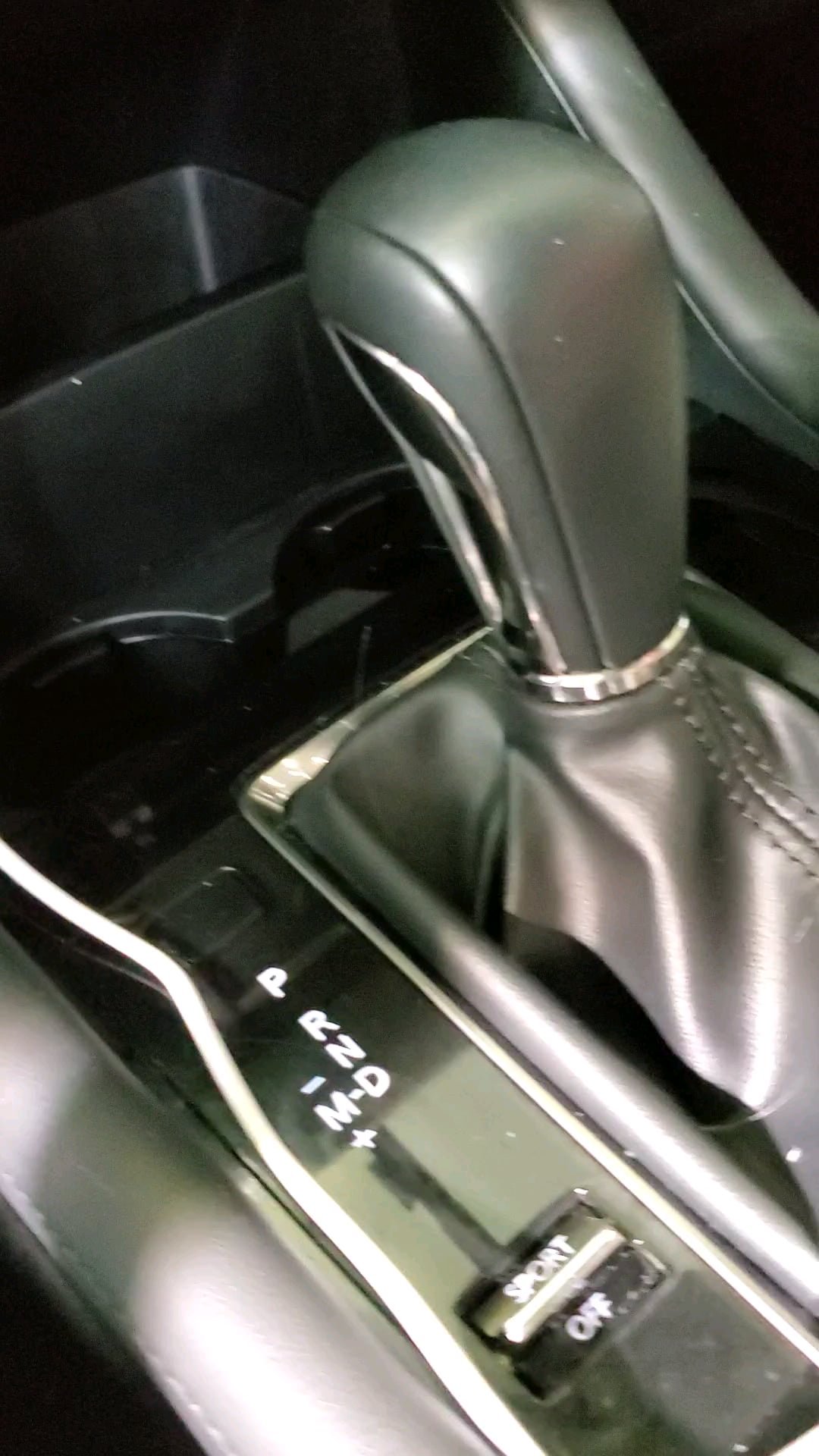
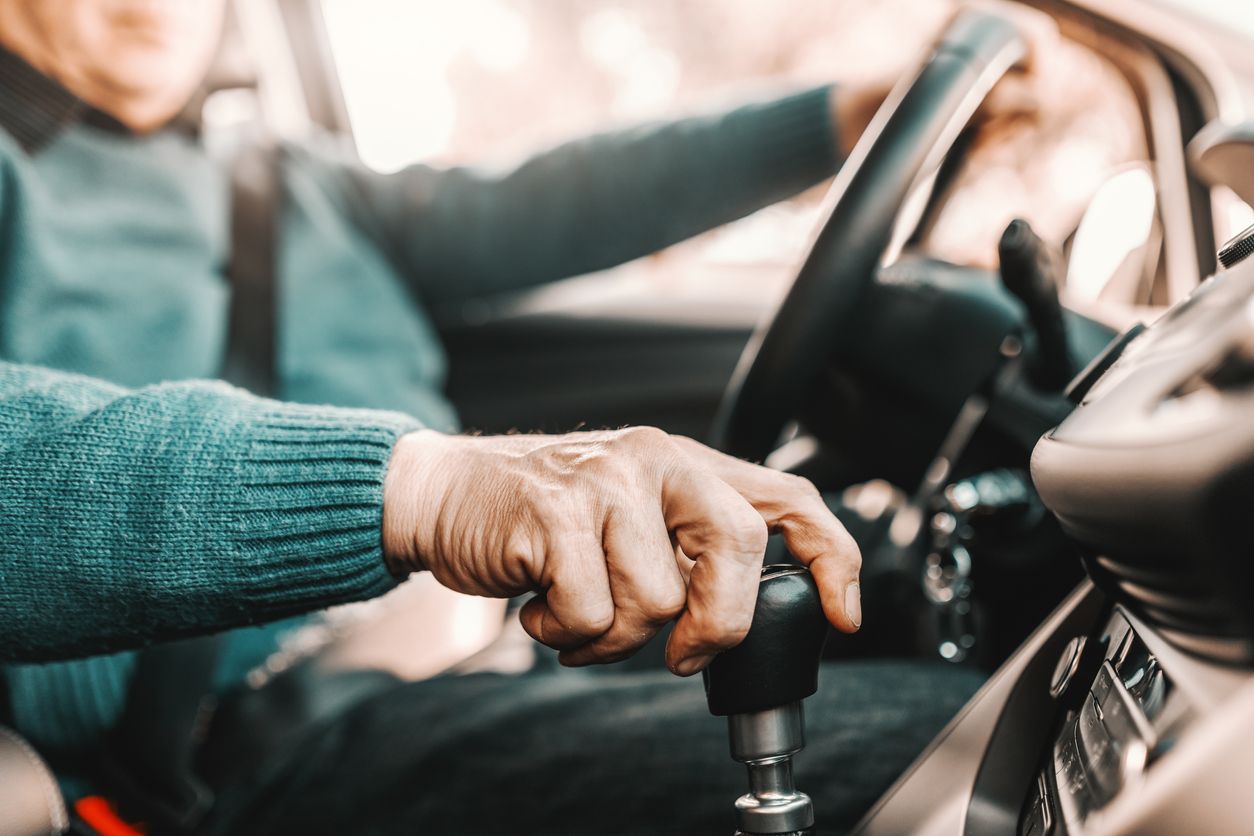
For safety, cars only start in Park or Neutral. If the gear selector is not fully in position, the car will not start. Sometimes, this can also affect the brake pedal feel, especially in newer cars with electronic gear shifters.
Tip: Wiggle the shifter and try again. Sometimes it’s just a misaligned gear sensor.
6. Frozen Or Seized Brake Components
In cold weather, brake calipers or other parts can freeze or seize. This makes the pedal stiff and might stop the car from starting, especially if the car’s system detects a problem with the brakes.
Insight: If your car was parked outside in freezing temperatures and won’t start, try warming it up or checking for ice around the wheels.
7. Electrical Or Computer Issues
Modern cars have many computers (ECUs) that control starting and braking. If there is an electrical fault, such as a blown fuse or failed module, you can get both a hard brake pedal and a no-start condition.
- Sometimes, a software glitch can confuse the car’s logic.
- Try locking and unlocking the car, or disconnecting the battery for a few minutes to reset the systems.
8. Low Brake Fluid Or Hydraulic Problems
While less common, a hydraulic brake problem can make the pedal feel hard. If the brake fluid is extremely low or there is air in the lines, braking may become difficult. Some advanced systems may prevent the car from starting if they detect brake system failure for safety reasons.
Credit: www.reddit.com
What To Do: Step-by-step Troubleshooting
If you find yourself in this situation, here are some clear steps to follow:
- Check the Battery
- Turn on the headlights or interior lights. Are they dim or not working? The battery may be dead.
- Try jump-starting the car.
- Listen for Sounds
- When you press the start button or turn the key, do you hear clicking? If not, the brake switch or starter circuit might be faulty.
- Check the Brake Pedal Feel
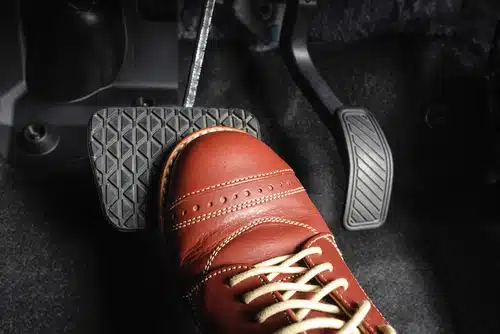
- Press the brake pedal several times. If it gets harder with each press, you may have used up the vacuum in the booster.
- Wiggle the Gear Shifter
- Make sure the car is in Park or Neutral. Move the shifter and try again.
- Inspect for Vacuum Leaks
- Open the hood and listen for hissing sounds around the brake booster or vacuum lines. A leak will reduce booster power.
- Test the Brake Lights
- Have someone check if the brake lights come on when you press the pedal. If not, the brake switch may be faulty.
- Check for Frozen Brakes
- In very cold weather, look for ice around the wheels and brakes.
- Consult the Car’s Manual
- Some cars have special reset procedures or emergency start modes.
Comparing Common Causes And Fixes
Here’s a quick overview of the most likely causes and what you can do:
| Problem | How It Feels | Quick Fix |
|---|---|---|
| Dead Battery | No lights, hard pedal, won’t start | Jump start or replace battery |
| Vacuum Leak / Failed Booster | Pedal is stiff, car may crank but not start | Check vacuum hoses, replace booster if needed |
| Brake Pedal Switch | Brake lights don’t work, car won’t start | Adjust or replace switch |
| Gear Selector Issue | Car not in Park/Neutral, won’t start | Move shifter and try again |
| Electrical/Computer Issue | No response, warning lights, hard pedal | Check fuses, reset system |
How Push-to-start Cars Are Different
Cars with push-to-start systems rely more on electronics. They need to detect the brake pedal is pressed before starting. If the brake pedal sensor or battery is weak, the car acts like the brake is not pressed, even if you are pushing hard.
Real-world example: In a Toyota Camry, if the battery is weak, the push-start button may flash, the brake pedal will feel hard, and the car won’t start. Jump-starting often solves this problem.
Here’s a comparison between traditional and push-to-start cars:
| Feature | Traditional Key Start | Push-to-Start |
|---|---|---|
| Needs Brake Pedal Pressed? | No (usually only to shift gears) | Yes, to start engine |
| Common Problem When Battery Low | Sluggish starter, dim lights | Hard brake pedal, car won’t start |
| Brake Pedal Sensor Required? | No | Yes |
When To Call A Mechanic
Some problems can be fixed easily, but others need professional help. Call a mechanic if:
- The battery is good, but the pedal stays hard and the car won’t start.
- You see brake system warning lights on the dashboard.
- You hear loud hissing from the brake booster area.
- You have tried all basic steps and nothing works.
Non-obvious tip: Some cars store error codes even if the check engine light is off. A mechanic can read these codes and find hidden issues.
Credit: www.tiresplus.com
Preventing The Problem
You can avoid many starting and brake problems with these habits:
- Replace your car battery every 3–5 years, or sooner in hot/cold climates.
- Check brake fluid levels at every oil change.
- Listen for hissing or leaks from the brake area, especially after repairs.
- Don’t pump the brake pedal repeatedly before starting—this can use up the vacuum.
- Test your brake lights regularly to make sure the pedal switch works.
Real Data: How Common Is This Problem?
Based on data from car repair shops and online forums, the combination of car won’t start and brake pedal hard makes up about 10–15% of no-start cases in newer cars. The most common cause is a weak battery, followed by brake pedal switch failure.
Here’s an estimated breakdown:
| Cause | Percentage (%) |
|---|---|
| Weak/Dead Battery | 60 |
| Brake Pedal Switch | 20 |
| Vacuum/Booster Failure | 10 |
| Gear Selector/Other Electrical | 10 |
Credit: www.pd.com.au
Frequently Asked Questions
Why Does My Brake Pedal Feel Hard When The Car Won’t Start?
A hard brake pedal usually means there is no vacuum power in the brake booster. This can happen if the engine is off, or if there is a vacuum leak. Without vacuum, you need much more force to press the brake.
Can A Dead Battery Cause The Brake Pedal To Be Hard?
Yes. Many modern cars use electric brake boosters or need battery power for the brake pedal sensor. If the battery is dead, the pedal may feel stiff and the car won’t start.
How Do I Know If The Brake Pedal Switch Is Bad?
If you press the brake and the brake lights don’t come on, or the car won’t start even when the pedal is pressed, the switch could be faulty. You may need to replace or adjust it.
Is It Safe To Try Jump-starting With A Hard Brake Pedal?
Usually, yes. If the problem is a weak battery, jump-starting can restore power to the brake booster and sensors, making the pedal feel normal and allowing the car to start.
Should I Keep Pressing The Brake Pedal Before Trying To Start?
No. Pressing the pedal multiple times before starting can use up all the vacuum in the booster, making the pedal hard. Try pressing once and starting the car.
If you’re ever in doubt or nothing works, it’s best to have a professional diagnose the problem. For more technical details on brake booster operation, you can visit this Wikipedia page.
Getting stuck with a car that won’t start and a hard brake pedal is stressful, but by understanding how these systems connect, you can solve the problem faster and avoid future trouble. Stay calm, check the basics, and don’t hesitate to call for help if needed.