
When you turn the key or press the button to start your car, you expect the engine to come alive. But sometimes, nothing happens or you just get a click. Strangely, your lights, radio, and dashboard all work fine. This often makes people think, “My car won’t start, but the battery is good.
What’s wrong? ” This situation is frustrating, especially if you need your car for work or family. The good news is that the battery is only one piece of the starting puzzle. There are several other parts and reasons why your car refuses to start even when the battery is not the problem.
Understanding these causes can save you time, money, and stress. This guide explains the most common reasons your car won’t start when the battery is good. You’ll also learn how to test, diagnose, and sometimes even fix these issues yourself.
Knowing these basics can help you talk confidently with a mechanic and avoid unnecessary repairs.
How The Car Starting System Works
Before you dive into the problems, it helps to know how the starting system works. When you turn your key (or press the start button), a chain of events happens:
- The battery sends power to the starter motor.
- The starter motor turns the engine’s flywheel.
- The engine starts turning, pulling in air and fuel.
- The ignition system creates a spark, and the engine fires up.
If any part of this chain fails, your car won’t start. The battery is just the start; many other parts must work correctly.
Common Reasons A Car Won’t Start (but Battery Is Good)
Let’s look at the most likely causes. Each problem has its own signs and possible solutions.
1. Faulty Starter Motor
The starter motor is a small electric motor that turns your engine when you start the car. If it fails, you might hear a single click or nothing at all. Sometimes, you may hear a grinding noise.
- Symptoms: Click when turning the key, engine does not turn over, lights and electronics work.
- Tip: Tapping the starter lightly with a tool can sometimes help it work one more time (not a long-term fix).
2. Bad Starter Relay Or Solenoid
A starter relay or solenoid acts as a switch to send power from the battery to the starter motor. If it’s faulty, the power never reaches the starter.
- Symptoms: No sound or a single click, but all lights and dashboard work.
- Common mistake: Many people replace the battery first, but it’s the relay that fails.
3. Ignition Switch Problems
The ignition switch is where you insert the key or press the start button. If the switch is bad, the signal never reaches the starter.
- Symptoms: No response when turning the key, but accessories work. Sometimes, jiggling the key helps briefly.
- Data: Ignition switch problems are more common in cars over 10 years old.
4. Faulty Neutral Safety Switch (automatic Cars)
Automatic cars have a neutral safety switch. The car will only start in Park or Neutral. If this switch fails, the car thinks it’s in gear and won’t start.
- Symptoms: No start in Park, but may start in Neutral (or vice versa).
- Advice: Try starting the car in Neutral if Park doesn’t work.
5. Clutch Pedal Switch (manual Cars)
Manual cars have a clutch pedal switch. The car won’t start unless the clutch is pressed. If this switch is bad, turning the key does nothing.
- Symptoms: No response unless the clutch pedal is fully pressed. Sometimes, the switch under the pedal gets knocked out of place.
6. Fuel System Issues
A car needs both spark and fuel to start. Problems with the fuel pump, fuel filter, or a completely empty tank will stop your car from starting.
- Symptoms: Engine cranks (turns over), but does not fire up. You may smell fuel or hear the fuel pump humming (or not).
- Non-obvious insight: A clogged fuel filter can stop the engine from starting, even if you have plenty of fuel.
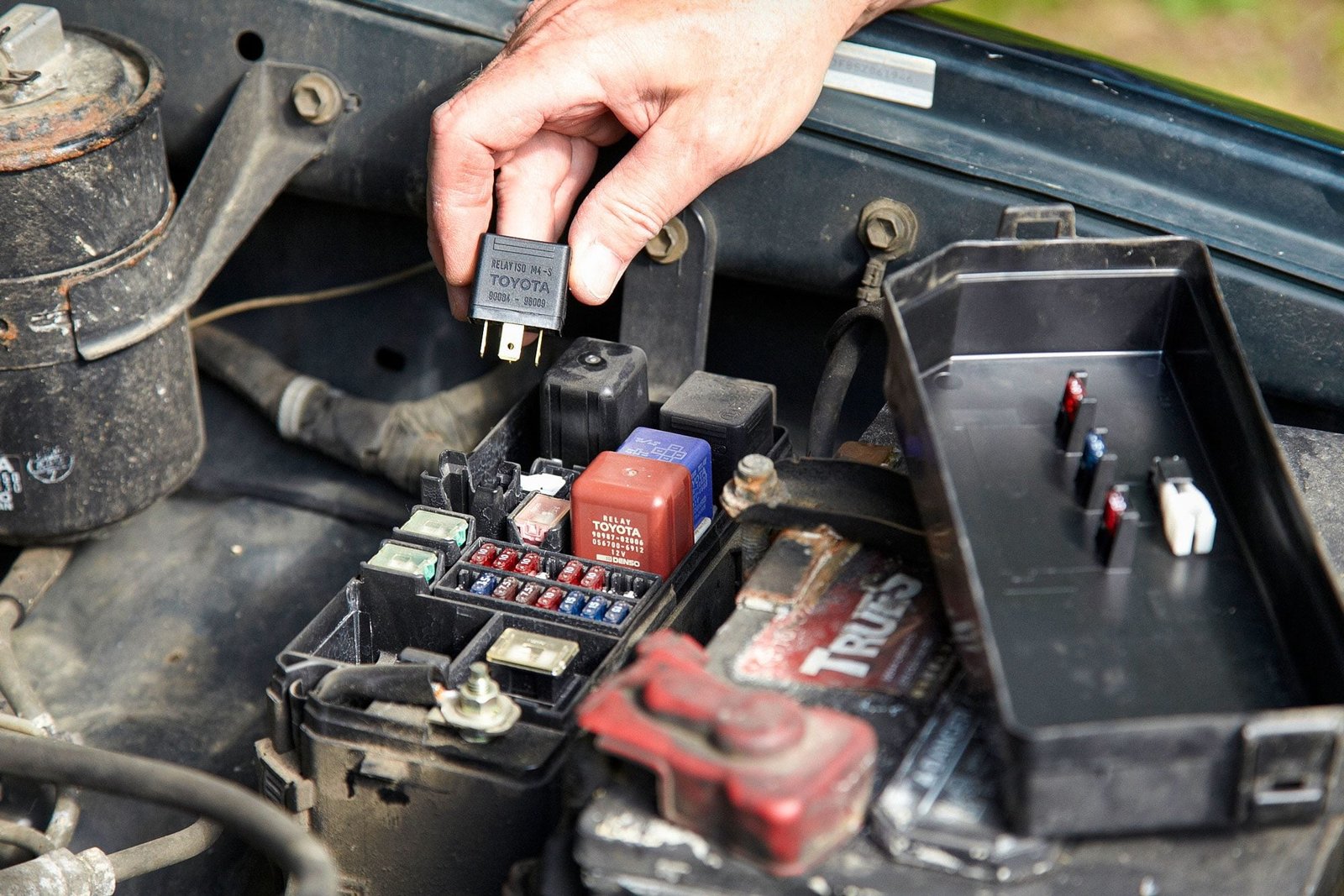
7. Bad Fuses Or Fusible Links
A blown fuse or fusible link can cut power to essential parts like the starter, fuel pump, or ignition.
- Symptoms: Electrical parts work, but the car won’t start. Sometimes, other electronics also fail.
- Tip: Check your car’s fuse box for any blown fuses.
8. Engine Immobilizer Or Security System Issues
Modern cars often have a security system that can block the engine from starting if it doesn’t recognize the key or fob.
- Symptoms: Security or key light flashing on the dashboard. No start or quick shutoff.
- Example: If you recently changed your key battery or tried to start with the wrong key, the immobilizer may prevent starting.
9. Bad Crankshaft Position Sensor
The crankshaft position sensor tells the engine computer when to fire the spark plugs. If it fails, the engine may crank but never start.
- Symptoms: Engine turns over but does not start. No spark. Sometimes a check engine light is on.
- Non-obvious insight: Sensors can fail intermittently, causing random no-start situations.
10. Loose Or Corroded Battery Cables
Even if your battery is good, loose or corroded cables can block the flow of power.
- Symptoms: Electrical systems work, but starting is weak or dead. Corrosion looks like white or green powder on the terminals.
- Practical tip: Clean and tighten battery terminals; it’s a quick and cheap fix.
11. Bad Alternator
The alternator charges the battery and powers your car’s systems. If it fails, your car may start once, but the battery soon drains.
- Symptoms: Car starts with a jump, then dies soon after. Battery warning light may be on.
- Data: Alternators usually last 7–10 years or 100,000–150,000 miles.
12. Wiring Or Connection Problems
Wiring problems, broken connectors, or rodent damage can stop the starting process.
- Symptoms: Random electrical issues, sometimes a no-crank, no-start.
- Example: Mice or rats sometimes chew car wires, especially if the car is parked for long periods.
13. Flooded Engine (mainly In Older Cars)
If you pump the gas pedal too much before starting, especially in older, non-fuel-injected cars, you can flood the engine with fuel.
- Symptoms: Strong smell of gasoline, engine cranks but won’t start.
- Solution: Hold the gas pedal to the floor (in a safe area) and crank for a few seconds to clear excess fuel.
14. Engine Mechanical Problems
Serious issues like a broken timing belt, blown head gasket, or engine seizure can stop your car from starting.
- Symptoms: Engine may crank very fast or not at all. Sometimes, odd noises or no compression.
- Tip: If you suspect a major engine problem, do not keep trying to start; you may cause more damage.
Quick Comparison: Electrical Vs. Fuel Problems
It helps to know if your issue is more likely electrical or fuel-related. This table can guide you:
| Symptom | Electrical Problem? | Fuel Problem? |
|---|---|---|
| No sound, no crank | Yes | No |
| Cranks, does not start | Sometimes | Yes |
| Clicking sound | Yes | No |
| Starts and dies quickly | No | Yes |
| Security light flashing | Yes | No |
How To Diagnose The Problem
If your car won’t start, you can follow a simple step-by-step process to find the issue.
- Listen for sounds: Do you hear clicks, cranking, or nothing at all?
- Check dashboard lights: Are warning lights on? Is the security light flashing?
- Try different gears: If automatic, try Neutral as well as Park.
- Press the clutch (manual): Make sure the pedal is fully down.
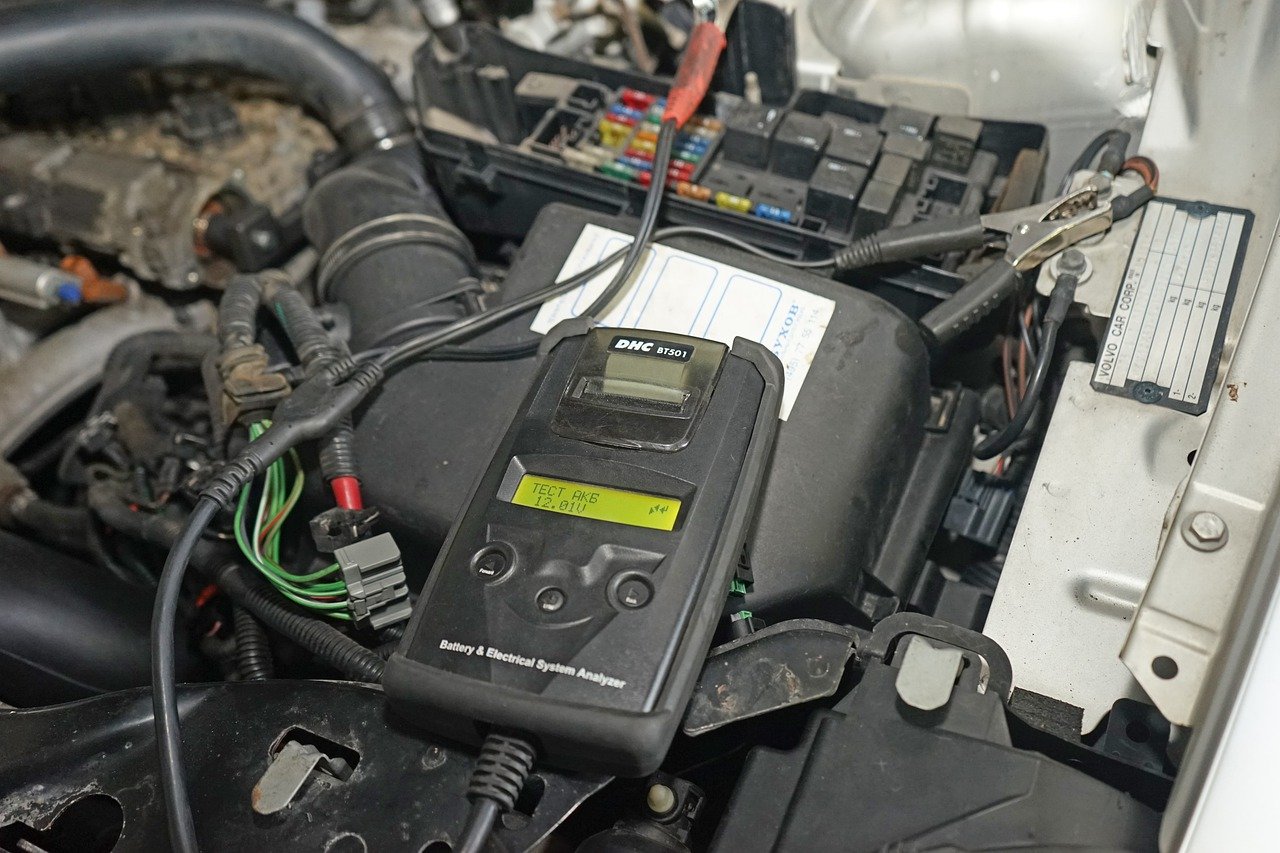
- Look for visible issues: Check battery terminals, fuses, and wiring.
- Test for fuel: Do you hear the fuel pump when you turn the key? (A soft hum from the rear for a few seconds)
- Try a jump start: If it works, alternator or connection issues are likely.
- Check for error codes: If you have a code reader, see if the engine computer shows any faults.
Credit: blog.bestride.com
How Mechanics Diagnose No-start Problems
Professional mechanics use special tools and a process to find the cause fast. Here’s a look at how they do it:
| Step | Tool Used | Purpose |
|---|---|---|
| Battery Load Test | Battery tester | Checks real battery strength |
| Starter Draw Test | Ammeter | Measures power to starter |
| Scan for Codes | OBD2 Scanner | Finds engine or sensor faults |
| Fuel Pressure Test | Pressure gauge | Checks if fuel is reaching engine |
| Spark Test | Spark tester | Checks ignition system |
Non-obvious Tips For Faster Diagnosis
Most people check the battery and fuses, but here are two things beginners often miss:
- Wiggle Test: Gently move wires and connectors while trying to start. If the car starts, a loose connection is likely.
- Check the Key Fob Battery: For push-button start cars, a weak key fob battery can stop the car from recognizing your key.
Credit: www.youtube.com
What To Do If You’re Stuck
If you’re unable to start your car and you’ve checked the basics, here’s what to do:
- Stay safe: Don’t keep trying to start the car if you hear strange noises or smell fuel.
- Call for help: Roadside assistance or a mobile mechanic can often fix simple problems on the spot.
- Document the issue: Write down what you hear and see; it helps the mechanic diagnose faster.
How To Prevent No-start Problems
A few simple habits can help you avoid being stranded:
- Regular maintenance: Change the battery, spark plugs, and filters as recommended.
- Inspect terminals: Clean battery connections twice a year.
- Drive regularly: Cars left unused for weeks often develop starting problems.
- Check for recalls: Sometimes, car makers recall models for starting system issues. Visit NHTSA to check for recalls.
When To Call A Professional
Some problems are easy to fix at home, but others need expert tools and knowledge:
- Starter or alternator replacement
- Fuel pump or filter changes
- Ignition switch repairs
- Serious engine problems
If you suspect a major issue or feel unsure, it’s smart to contact a certified mechanic.
Frequently Asked Questions
Why Does My Car Just Click But Not Start, Even Though The Battery Is Good?
A single click usually points to a bad starter motor or starter relay, not the battery. Sometimes, loose or corroded battery cables can also cause this.
Can A Bad Alternator Stop My Car From Starting?
Yes. If the alternator fails, the battery will not recharge. After a few starts, the battery will go flat, and the car won’t start even if the battery was good before.
What If My Car Cranks But Won’t Fire Up?
This usually means the fuel or ignition system has a problem. Common causes include a bad fuel pump, clogged filter, or failed crankshaft sensor.
My Dashboard Lights Work, But The Car Won’t Start. Why?
Lights use very little power, but the starter motor needs much more. If the starter, relay, or a sensor fails, the car won’t start even if all lights work.
How Can I Test If My Starter Motor Is Bad?
Listen for a single click when you turn the key. If the battery and cables are good, and you only hear a click, the starter motor is likely faulty. Tapping it with a tool may help it start once, but replacement is needed.
When your car won’t start but the battery is good, it’s easy to feel overwhelmed. But by understanding how the starting system works and the most common causes, you can quickly narrow down the problem. Many issues are easy to check yourself, and some can even be fixed at home.
If you’re unsure or the problem is serious, don’t hesitate to contact a professional. With the right approach, you’ll be back on the road with less stress and fewer surprises.
Credit: www.familyhandyman.com