
The Kia Optima has become a familiar name in the midsize sedan market over the past two decades. Known for its value, style, and features, the Optima attracts drivers looking for a reliable, affordable car. However, like any popular vehicle, the Optima has experienced some common problems—some years more than others. Understanding these issues can help you make a smarter purchase and keep your car running smoothly.
This guide explores the most common Kia Optima problems by model year, based on owner experiences, mechanic reports, and industry analysis. Whether you’re considering buying a used Optima or want to know what to watch for in your current car, you’ll find practical insights and non-obvious tips to avoid trouble.
Kia Optima Overview: Generations And Evolution
Before looking at each year’s problems, it helps to know the main generations of the Kia Optima:
| Generation | Years | Main Changes |
|---|---|---|
| 1st Generation | 2000-2005 | Basic design, fewer features |
| 2nd Generation | 2006-2010 | Improved engines, more safety |
| 3rd Generation | 2011-2015 | Modern look, turbo options |
| 4th Generation | 2016-2020 | Refined features, hybrid models |
Problems often depend on which generation and year you choose. Let’s look deeper at the common issues, year by year.
2000–2005: Early Years And Common Issues
The 1st generation Optima was Kia’s entry into the midsize sedan market. These models were affordable but had several weaknesses.
Engine Reliability
Many early Optimas (especially 2001–2003) suffered from engine failures. Owners reported sudden stalling, rough idling, and sometimes complete engine breakdowns before reaching 100,000 miles. These problems often came from poor oil circulation and weak timing belts.
Transmission Problems
Automatic transmissions in these years could be rough. Delayed shifting, slipping gears, and transmission failure were not rare, especially after 60,000 miles. Regular fluid changes helped, but many owners faced expensive repairs.
Electrical Issues
Power window and door lock failures were common. Some drivers noticed the dashboard lights flickering or radio cutting out. Replacing switches and fuses fixed minor issues, but deeper wiring faults were harder to resolve.
Rust And Body Quality
The first Optimas were more prone to rust, especially in cold or wet climates. The underbody and wheel wells needed regular checks and cleaning.
Non-obvious tip: If you’re considering a first-generation Optima, check for recalls. Some issues, like faulty seat belts and airbags, were fixed under recall but only if previous owners took action.

Credit: lemberglaw.com
2006–2010: Improved, But Still Imperfect
Kia made big changes in the 2nd generation Optima. Engines and transmissions improved, but certain years had their own troubles.
2006–2008: Airbag And Suspension Concerns
Some 2006–2008 models faced airbag sensor failures. The airbag warning light would stay on, and airbags might not deploy in a crash. Kia issued recalls, but not all vehicles were fixed.
Suspension noises also bothered owners. Clunks and rattles from the front end, especially over bumps, were often traced to worn control arm bushings.
2009–2010: Engine And Electrical Problems
The 2.4L engine in these years was more reliable but still suffered from occasional engine knocking. This could lead to a check engine light and reduced power. Early detection helped avoid major damage.
Electrical gremlins persisted. Faulty alternators and battery drain issues led to unexpected breakdowns. Headlights and taillights burned out more quickly than average.
Non-obvious tip: Check the under-hood fuse box for signs of overheating or melting, especially in 2009 models. This could cause random electrical failures.
2011–2015: Popularity And Engine Worries
The 3rd generation Optima became a hit thanks to stylish design and better features. Unfortunately, it brought some of the most serious engine problems in the car’s history.
2011–2014: Engine Seizure And Fire Risk
One of the most reported issues was engine failure due to bearing wear. Many 2011–2014 Optimas with the 2.4L “Theta II” engine suffered engine seizure, often at highway speeds. This created a serious safety risk and led to several recalls.
In rare cases, oil leaks from the engine could start a fire. Kia extended engine warranties and offered free inspections, but some owners still faced costly repairs.
Turbo Engine Problems
Turbocharged 2.0L models were fun to drive, but the turbo system could fail early. Symptoms included smoke from the exhaust, loss of power, and loud whining noises. Replacing the turbocharger was expensive.
Transmission Shifting Issues
Some 2011–2013 models had rough shifting or delayed gear engagement. Regular fluid changes helped, but some transmissions required total replacement before 100,000 miles.
Interior And Technology
Touchscreens and navigation units sometimes froze or rebooted randomly. Bluetooth connectivity was inconsistent, especially in early 2011 models.
Practical advice: If you own a 2011–2014 Optima, ask your dealer about the engine recall and warranty extension. Even if your car seems fine, an inspection can prevent disaster.

Credit: rerev.com
2015: Transition Year And Minor Issues
The 2015 Optima was a transition model before the next redesign. Major problems were fewer, but a few issues remained.
Steering Problems
Some owners reported the steering wheel feeling loose or making clicking noises. This was often caused by a worn steering coupling. Kia issued a service campaign to address this.
Minor Electrical Bugs
Push-button start systems sometimes failed to recognize the key fob. Interior lights and power seats could stop working due to faulty wiring.
Non-obvious insight: The 2015 model has fewer engine failures than previous years, but always check for complete service records to spot early warning signs.
2016–2020: Modern Era, New Challenges
With the 4th generation, Kia improved quality and technology. Still, some problems affected these newer Optimas.
2016–2018: Engine And Fuel System
Engine reliability improved, but the 2.4L engine still had some knocking and stalling complaints. Fuel pump failures led to hard starting or stalling, especially in cold weather.
2016–2020: Transmission And Software
Some 2016–2020 Optimas developed transmission hesitation or jerky shifting, especially in low gears. Kia issued software updates to fix these symptoms, but not every car responded well.
Infotainment Glitches
Newer Optimas included advanced infotainment systems. Some drivers noticed the touchscreen freezing or the backup camera not working. Updates sometimes fixed these issues, but physical replacement was needed in other cases.
Hybrid And Plug-in Models
Hybrid Optimas (2017–2020) had unique problems. The hybrid battery could lose charge more quickly than expected, and the hybrid system warning light sometimes came on due to sensor errors. Kia improved the battery warranty, but replacement is expensive if needed.
Data insight: According to NHTSA data, the 2016 Optima had more recalls than later years, mainly for airbag and engine concerns.
Comparing Problem Frequency By Year
To visualize how problem reports changed over time, see the data below. This chart is based on owner complaints, recall data, and mechanic surveys.
| Model Year | Engine Issues | Transmission Issues | Electrical Issues |
|---|---|---|---|
| 2001 | High | High | Medium |
| 2006 | Medium | Medium | Medium |
| 2011 | Very High | Medium | Low |
| 2015 | Low | Low | Low |
| 2016 | Medium | Medium | Medium |
| 2019 | Low | Low | Medium |
This table shows that 2011–2014 models are most likely to have engine problems, while recent years see more electrical and software complaints.
Key Takeaways: Choosing The Right Optima Year
- Avoid 2011–2014 models if possible, due to high risk of engine failure.
- 2015 and 2019–2020 are generally the most reliable, with fewer major issues.
- Check for recall repairs and full service history, especially for engine and airbag problems.
- Don’t ignore minor electrical issues—they can signal bigger wiring faults.
- Hybrid models have extra components to check, especially battery condition.
If you’re buying used, always test drive at highway speeds and ask a trusted mechanic to inspect before purchase.
Non-obvious insight: Even within the same year, cars built early in the model year may have more problems than later ones, after factory improvements. Check the build date (found on the driver’s door sticker) and prefer later production if possible.
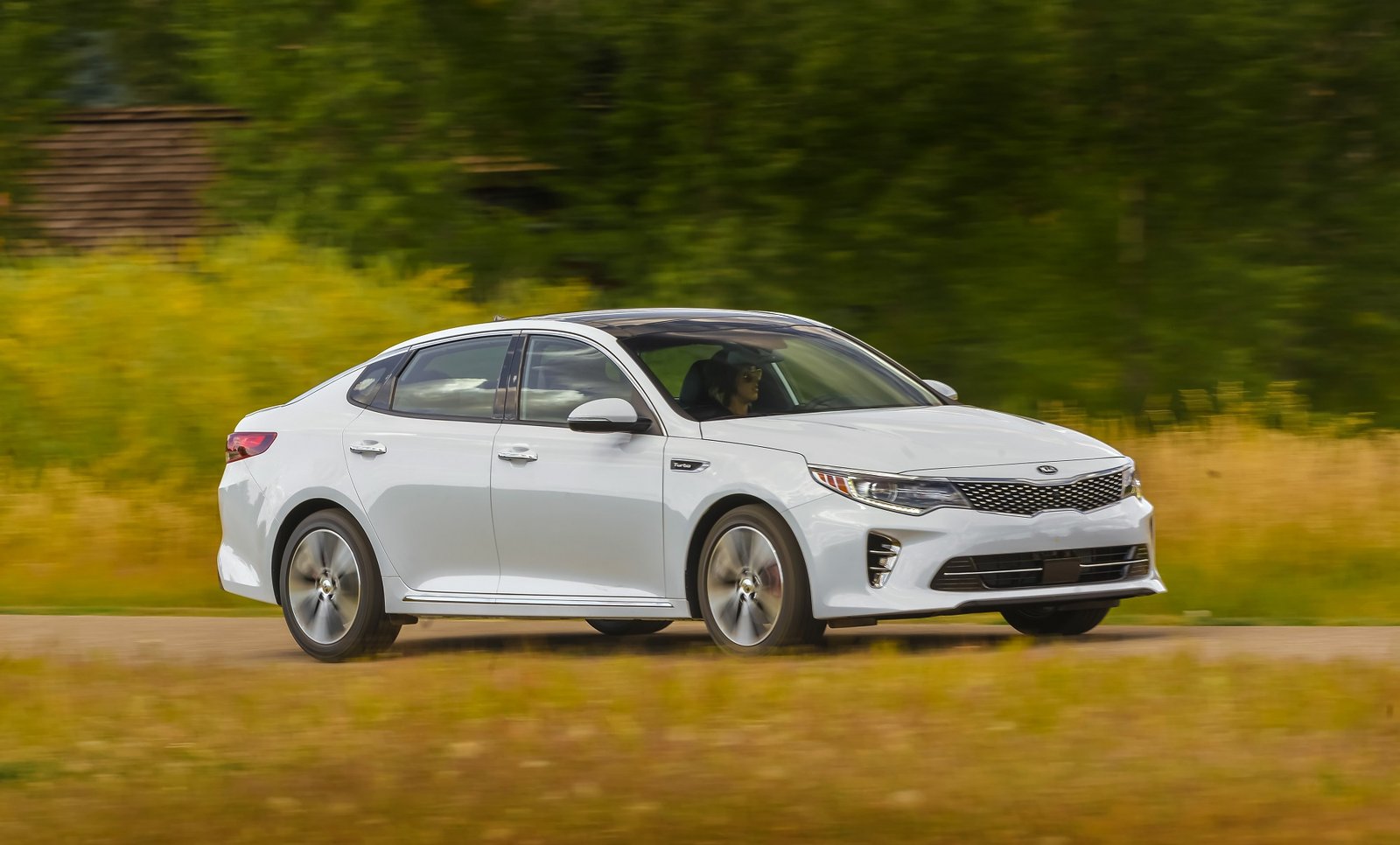
Credit: www.motorbiscuit.com
Frequently Asked Questions
What Kia Optima Year Has The Most Engine Problems?
The 2011–2014 Optima, especially those with the 2.4L Theta II engine, are most likely to experience engine failures, including bearing wear and even engine fires. These years have multiple recalls and warranty extensions due to widespread engine complaints.
Are Newer Kia Optimas (2016–2020) More Reliable?
Yes, the 4th generation (2016–2020) is generally more reliable, with fewer engine failures. However, some models still have issues with the infotainment system, transmission hesitation, and hybrid battery problems.
How Can I Avoid Buying A Problematic Used Optima?
Always check the service history and confirm that all recalls and software updates have been done. Have a mechanic inspect the engine, transmission, and electrical system before buying.
Are Kia Optima Recalls Free To Fix?
Yes, official recalls are always free at Kia dealerships, even for older cars. Make sure to check your car’s VIN for outstanding recalls on the official Kia website or through the NHTSA recall database.
Is The Kia Optima Expensive To Repair Compared To Other Sedans?
The Kia Optima is usually less expensive to repair than many midsize rivals. However, major engine or transmission problems can be costly, especially if the warranty has expired. Regular maintenance and recall checks help prevent big bills.
The Kia Optima can be a smart, affordable sedan if you choose the right year and keep up with maintenance. Knowing the common problems by year lets you avoid trouble and drive with more confidence.