
If your car’s dashboard suddenly lights up with a “Check Engine” warning, it’s easy to feel worried. When you scan the car’s computer and see code P0401 EGR Flow Insufficient, it can seem confusing and technical. But this error is common, and with a bit of guidance, you can understand what it means, why it happens, and what you should do next. This article explains the P0401 code, breaking down every part of it, so you can fix the problem and keep your car running smoothly.
What Does P0401 Egr Flow Insufficient Mean?
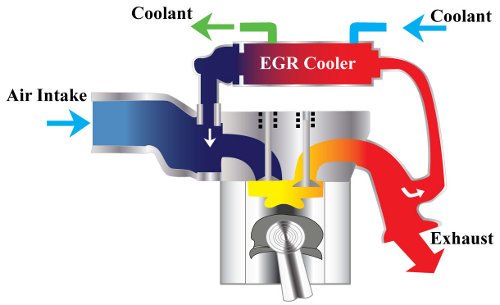
The P0401 code is a diagnostic trouble code (DTC) that shows up when your car’s computer finds a problem with the Exhaust Gas Recirculation (EGR) system. Specifically, it means the EGR system is not sending enough exhaust gases back into the engine’s intake. The EGR system’s job is to reduce harmful emissions by recycling a small amount of exhaust gas into the engine, which helps lower the temperature in the combustion chamber and reduces nitrogen oxide (NOx) emissions.
If the EGR flow is too low, as the code suggests, your vehicle will not meet emission standards. This can also lead to engine knocking, rough idling, or poor fuel economy.
How The Egr System Works
Understanding the EGR system makes it easier to see why the P0401 code appears. The EGR system usually includes:
- EGR Valve: Opens and closes to control exhaust gas flow.
- Vacuum Lines or Solenoids: Activate the EGR valve.
- EGR Passages: Channels in the intake and exhaust manifolds.
- EGR Temperature Sensor or Differential Pressure Sensor: Monitors the flow rate.
- Engine Control Module (ECM): Commands when the EGR valve opens.
When the engine is warm and running at certain speeds, the ECM tells the EGR valve to open. Exhaust gases then flow from the exhaust manifold, through the EGR passages, and into the intake manifold. If something blocks or limits this flow, the ECM detects the problem and triggers P0401.
Symptoms Of P0401 Egr Flow Insufficient
If your car has a P0401 code, you may notice one or more of these symptoms:
- Check Engine Light: The most obvious sign.
- Rough Idle: The engine shakes or feels unstable when stopped.
- Poor Acceleration: The car feels slow or sluggish.
- Increased NOx Emissions: Harder to see but important for passing emissions tests.
- Engine Knock or Ping: The engine may make knocking sounds under load.
- Reduced Fuel Economy: The car uses more fuel than normal.
Not all cars will show every symptom. Sometimes, the only sign is the check engine light.
Causes Of P0401 Egr Flow Insufficient
There are several reasons why your car might trigger this code. Here are the most common causes:
- Clogged EGR Passages: Carbon buildup blocks the flow of exhaust gases.
- Faulty EGR Valve: The valve can get stuck closed or stop working.
- Bad EGR Solenoid or Sensor: If the solenoid or sensor fails, the EGR valve may not open.
- Vacuum Leaks: Broken or disconnected vacuum lines reduce control over the EGR valve.
- Wiring or Connector Issues: Damaged wires mean the ECM cannot control or read the EGR system.
- ECM Problems: Rarely, the car’s computer itself could be the issue.
Let’s compare how each problem affects the EGR flow:
| Problem | How It Affects EGR Flow | Easy to Diagnose? |
|---|---|---|
| Clogged Passages | Blocks gases completely or partially | Moderate |
| Faulty Valve | Valve stays closed or opens too little | Moderate |
| Bad Solenoid/Sensor | Valve does not receive correct command | Hard |
| Vacuum Leak | Valve cannot open fully | Easy |
| Wiring Issues | No power or signal to EGR system | Hard |
| ECM Problem | Incorrect or no signal to EGR | Very Hard |

Credit: www.carparts.com
Diagnosing P0401 Egr Flow Insufficient
You do not need to be a professional mechanic to check the basics. Here is a practical step-by-step approach:
1. Scan For Trouble Codes
Use an OBD-II scanner to confirm the P0401 code. Also check for other codes that may give more clues.
2. Inspect The Egr Valve
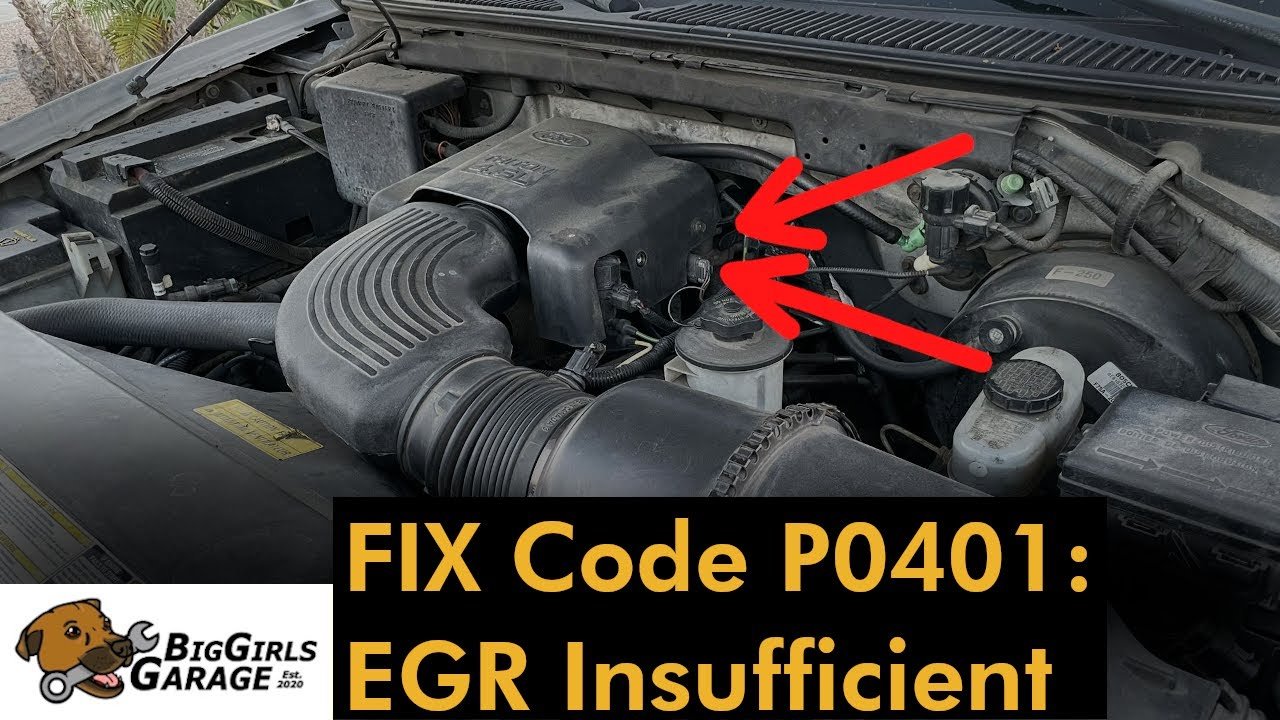
Find the EGR valve on your engine (the owner’s manual or repair guide can help). Unplug the connector and look for carbon buildup around the valve.
3. Check Egr Passages
Remove the EGR valve and look inside the passages. If you see black, hard deposits, they need cleaning. Use a long brush, pick, or carburetor cleaner.
4. Test The Egr Valve
Many EGR valves can be tested with a hand vacuum pump. Apply vacuum and see if the valve holds it and opens. If not, the valve may be bad.
5. Inspect Vacuum Lines And Connectors
Look for split or disconnected hoses. Check that electrical connectors are clean and tight.
6. Test Sensors And Solenoids
Use a multimeter to check for power and proper resistance. Consult your car’s service manual for specifications.
7. Clear The Code And Test Drive
After making repairs or cleaning, erase the code with your scanner and drive the car. If the code comes back, more work is needed.
How To Fix P0401 Egr Flow Insufficient
After diagnosis, here’s how to solve the most common issues:
Clean The Egr Valve And Passages
Most cases of P0401 are due to carbon buildup. Remove the EGR valve (and sometimes the intake manifold) and clean the passages well. Use carburetor cleaner and a brush. Wear gloves and eye protection. According to the U.S. Environmental Protection Agency, vehicle emissions standards and onboard diagnostic systems are designed to identify problems that can increase pollution.
Replace The Egr Valve
If cleaning does not help, the EGR valve may be faulty. Buy a replacement that matches your car’s make and model. Carefully install the new valve and connect everything tightly.
Repair Or Replace Vacuum Lines
Cracked or leaking vacuum hoses should be replaced. Even small leaks can cause big problems.
Fix Electrical Problems
If you find bad wires or connectors, repair or replace them. This is often the hardest step and may need a wiring diagram.
Replace Sensors Or Solenoids
If the EGR temperature sensor or pressure sensor is not working, install a new one.
Here’s a quick comparison of fix costs for common EGR problems:
| Fix | Typical Cost (USD) | DIY Difficulty |
|---|---|---|
| Clean EGR Valve/Passages | $10–$30 | Easy–Medium |
| Replace EGR Valve | $50–$300 | Medium |
| Replace Hoses | $5–$20 | Easy |
| Replace Sensor/Solenoid | $40–$120 | Medium–Hard |
| Fix Wiring | $0–$100 | Hard |
| ECM Replacement | $400–$1,200 | Very Hard |
Credit: www.youtube.com
Real-world Example: Toyota Camry P0401
Suppose you drive a Toyota Camry and get the P0401 code. Most commonly, the EGR passages in the intake manifold are blocked by carbon deposits. Cleaning the manifold and EGR valve usually solves the problem. However, some Camry models use an EGR vacuum switching valve that can also fail. Testing or replacing this part may also be needed.
What Not To Miss When Fixing P0401
Many beginners clean or replace the EGR valve but forget to check the intake manifold passages. These are often the real cause of the problem. Also, some cars use electronic EGR valves that need to be reset or re-learned by the ECM after repair.
Another point is to check for related codes. Sometimes, the P0401 appears along with codes for oxygen sensors or misfires, which can change your repair plan.
Can You Drive With P0401?
You can usually drive with a P0401 code for a short time, but it’s not a good idea for long. The engine may run hotter, and emissions will be higher. Over time, this can harm the engine or cause you to fail a smog test. If the car feels rough or makes new noises, fix the problem as soon as possible.
How To Prevent P0401 In The Future
Keeping your engine clean and well-maintained helps avoid EGR problems. Here are some tips:
- Use quality fuel to reduce carbon buildup.
- Change the oil regularly to keep the EGR passages cleaner.
- Inspect vacuum lines every oil change.
- Clean the throttle body and intake manifold every 50,000 miles or as recommended.
- Fix misfires quickly as they can add to carbon buildup.
Credit: parts.olathetoyota.com
Why P0401 Is Important For Emissions
The EGR system is a key part of your car’s emission control. When it fails, your car produces more nitrogen oxides (NOx), which are harmful to people and the environment. Many regions require emission tests for car registration. A P0401 code will cause your car to fail these tests until it’s fixed. For more technical details, you can check Wikipedia’s EGR system article.
Frequently Asked Questions
What Happens If I Ignore A P0401 Code?
Ignoring a P0401 code can lead to higher emissions, engine knocking, and possible engine damage over time. Your car may also fail an emissions test, making it illegal to drive in some areas.
Can A Bad Oxygen Sensor Cause A P0401 Code?
A bad oxygen sensor rarely causes P0401 directly but can affect the engine’s air-fuel mixture, making the EGR system work harder. Always check for other codes before replacing sensors.
How Often Should I Clean My Egr Valve?
Most car makers do not set a schedule, but cleaning the EGR valve every 50,000 to 70,000 miles, or when you see symptoms, can help prevent problems.
Is P0401 A Serious Problem?
While P0401 does not usually stop your car, it can lead to engine damage and failed emissions tests if ignored. It’s best to fix it soon to avoid bigger issues.
Can P0401 Cause Poor Gas Mileage?
Yes, a P0401 code can increase fuel use because the engine runs hotter and less efficiently. Fixing the problem can help restore normal gas mileage.
Understanding and fixing P0401 EGR Flow Insufficient helps you keep your car running cleaner, safer, and more efficiently. With the right steps, most people can handle the basics themselves or talk confidently with a mechanic.