
The Toyota Corolla has a strong reputation for reliability, but even this popular car is not perfect. Over the years, different model years have shown unique problems—some minor, some more serious. If you are thinking about buying a used Corolla, or you already own one, it is smart to know the common problems by year. This way, you can avoid unexpected repairs and choose a model that fits your needs.
In this article, you will learn about the most common Toyota Corolla problems from the late 1990s to today. You will see which years had major issues, what types of repairs were most frequent, and get real-world examples. You will also find simple tables comparing key issues and useful advice on what to check before buying.
By the end, you will be ready to make a confident decision—whether you want to buy, sell, or simply maintain your Toyota Corolla.
Common Toyota Corolla Problems: 1998–2002
These late 1990s and early 2000s Corollas are known for their durability. Many still run with over 200,000 miles. But a few issues stand out.
- Oil Consumption: Some 1998-2002 models, especially those with the 1ZZ-FE engine, are known for excessive oil burning. Owners often report needing to add oil between changes, and in severe cases, the engine can run low and cause damage. This is usually due to piston ring problems.
- Engine Light Issues: The check engine light may come on for problems related to the oxygen sensor or catalytic converter. Sometimes, the light is triggered by a loose gas cap or old spark plugs.
- Suspension Wear: After 100,000 miles, suspension parts like struts and bushings often need replacement. This is typical for cars of this age but worth checking before buying used.
Non-obvious insight: Many owners ignore oil burning, but regular checks and topping off the oil can extend engine life by years.
2003–2008: New Design, New Problems
Toyota updated the Corolla in 2003, and while these years are mostly reliable, some new problems appeared.
- Transmission Issues: Automatic transmissions in 2003-2008 models sometimes develop shifting problems, especially if the fluid is not changed regularly. Hard shifts or delayed engagement are signs.
- Interior Quality: Owners often mention dashboard rattles, peeling steering wheels, and worn seat fabric. These are not dangerous but affect comfort.
- ECM Failure (2005–2008): The Engine Control Module (ECM) is a small computer that manages engine functions. In these years, it can fail and cause stalling or hard starts. Toyota issued a recall to replace faulty ECMs.
Key Problems (2003–2008)
| Year | Main Issue | Repair Cost Estimate |
|---|---|---|
| 2003-2004 | Transmission Shifting | $1,200–$2,000 |
| 2005-2008 | ECM Failure | $900–$1,200 |
Practical tip: If buying a 2005–2008 Corolla, ask if the ECM was replaced under the recall.
2009–2013: Improved Safety, Persistent Complaints
This generation brought more airbags and better crash ratings, but a few issues continued.
- Steering Problems: Many owners complain about the electric power steering feeling loose or making clunking noises, especially in 2009-2010 models.
- Water Pump Leaks: Water pumps may start leaking coolant after 60,000 miles, leading to overheating if not fixed. Look for pink or green fluid under the car.
- Excessive Oil Consumption Returns: Some 2009-2013 models still have oil consumption issues, though less common than earlier years.
Non-obvious insight: Steering noises can sometimes be fixed by lubricating the intermediate shaft, not just replacing parts.
2014–2016: Modern Looks, Modern Problems
With a sharp new design, the 2014 Corolla attracted many buyers. However, new technology brought new challenges.
- CVT Transmission Concerns: Most models from 2014 use a Continuously Variable Transmission (CVT). Early CVTs had reports of shuddering, hesitation, or noise—especially if the fluid was not serviced properly.
- Infotainment Glitches: Touchscreen systems may freeze or reboot on their own. Software updates can help, but sometimes the unit needs replacement.
- Interior Rattles: Dashboard and door rattles are common, especially in hot climates.
2014–2016 Reliability Data
| Year | Transmission Type | Common Issue |
|---|---|---|
| 2014 | CVT | Shuddering/Noise |
| 2015 | CVT | Infotainment Glitches |
| 2016 | CVT | Interior Rattles |
Practical tip: Test drive at different speeds to feel for CVT issues, and check all technology functions before buying.
2017–2019: Advanced Features, Some Surprises
Toyota added more standard safety features, like Toyota Safety Sense, but a few new problems showed up.
- Windshield Cracking: Some 2017-2019 Corollas have windshields that crack easily, sometimes without any clear impact. The thin glass helps with fuel economy but is more fragile.
- Brake System Noises: Squeaks or grinding noises when braking are more common, often due to new types of brake pads. Sometimes, it’s just normal for this generation, but it’s wise to have brakes checked.
- CVT Software Issues: The CVT transmission sometimes hesitates when accelerating, often fixed with a software update from the dealer.
Non-obvious insight: Not all windshields crack due to rocks—sudden temperature changes can also cause cracks.
2020–present: Latest Models, Latest Troubles
The newest Corollas have advanced safety, hybrid options, and a sleek look. While generally reliable, even these models are not perfect.
- Fuel Pump Recalls: Some 2020–2021 Corollas were recalled for faulty fuel pumps that could cause stalling. Toyota replaced many under warranty.
- Hybrid Battery Issues: The new hybrid models can sometimes display warning lights related to the battery or charging system. Most issues are fixed under warranty, but batteries are expensive outside warranty.
- Lane Departure Alerts: The lane keep assist system can give false alerts, especially in heavy rain or if the windshield is dirty.
2020–2023 Main Problems
| Model Year | Hybrid Available? | Main Known Problem |
|---|---|---|
| 2020 | Yes | Fuel Pump Recall |
| 2021 | Yes | Lane Departure Alerts |
| 2022-2023 | Yes | Hybrid Battery Warnings |
Practical tip: For 2020 and newer Corollas, check if all recall work has been completed before buying.
How To Check For Problems Before You Buy
When looking at a used Toyota Corolla, there are smart steps to avoid trouble:
- Check Service Records: Ask for maintenance history, especially for oil changes and transmission fluid services. This is extra important for CVT-equipped models.
- Look for Recalls: Use the car’s VIN on the Toyota recall website to see if all recall work is done.
- Inspect for Leaks: Look under the car for oil or coolant spots, and check under the hood for any wet or stained parts.
- Test Drive Fully: Listen for strange noises from the steering, brakes, or transmission. Try driving at different speeds and on rough roads.
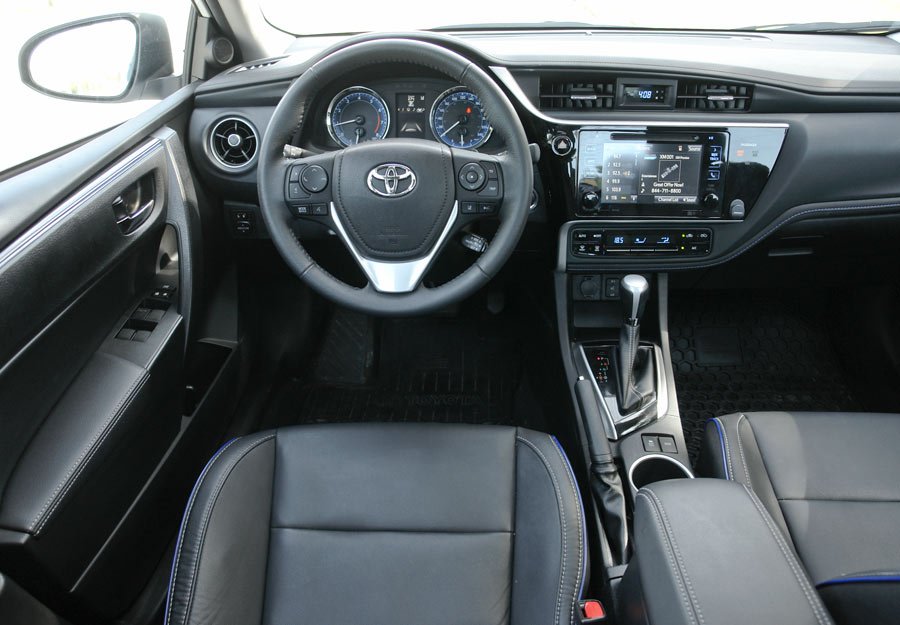
- Check Electronics: Test all buttons, screens, and the backup camera. Make sure the infotainment system works without freezing.
Common Toyota Corolla Problems By Year: Quick Reference
Here’s a summary of the most reported problems for each generation:
- 1998–2002: Excessive oil use, check engine lights, suspension wear
- 2003–2008: Transmission issues, ECM failure, interior quality problems
- 2009–2013: Steering noises, water pump leaks, some oil consumption
- 2014–2016: CVT shuddering, infotainment bugs, rattles
- 2017–2019: Windshield cracks, brake noises, CVT software
- 2020–2023: Fuel pump recalls, hybrid battery warnings, driver assist system alerts
Credit: www.copilotsearch.com
Repairs And Costs: What To Expect
Repair costs can vary, but here are rough estimates for the most common problems:
- Oil Consumption Repairs: Replacing piston rings or engines can cost $1,500–$3,000, but many just add oil regularly.
- Transmission Repairs: CVT replacements start around $3,500, but many issues are fixed with a $200–$400 fluid service or software update.
- Water Pump: Replacement is usually $400–$700.
- Windshield Replacement: Around $300–$600, depending on features like sensors for safety systems.
- Hybrid Battery: Outside warranty, replacement can cost $2,000–$3,500, but most last 8–10 years.
What Year Toyota Corolla Is Most Reliable?
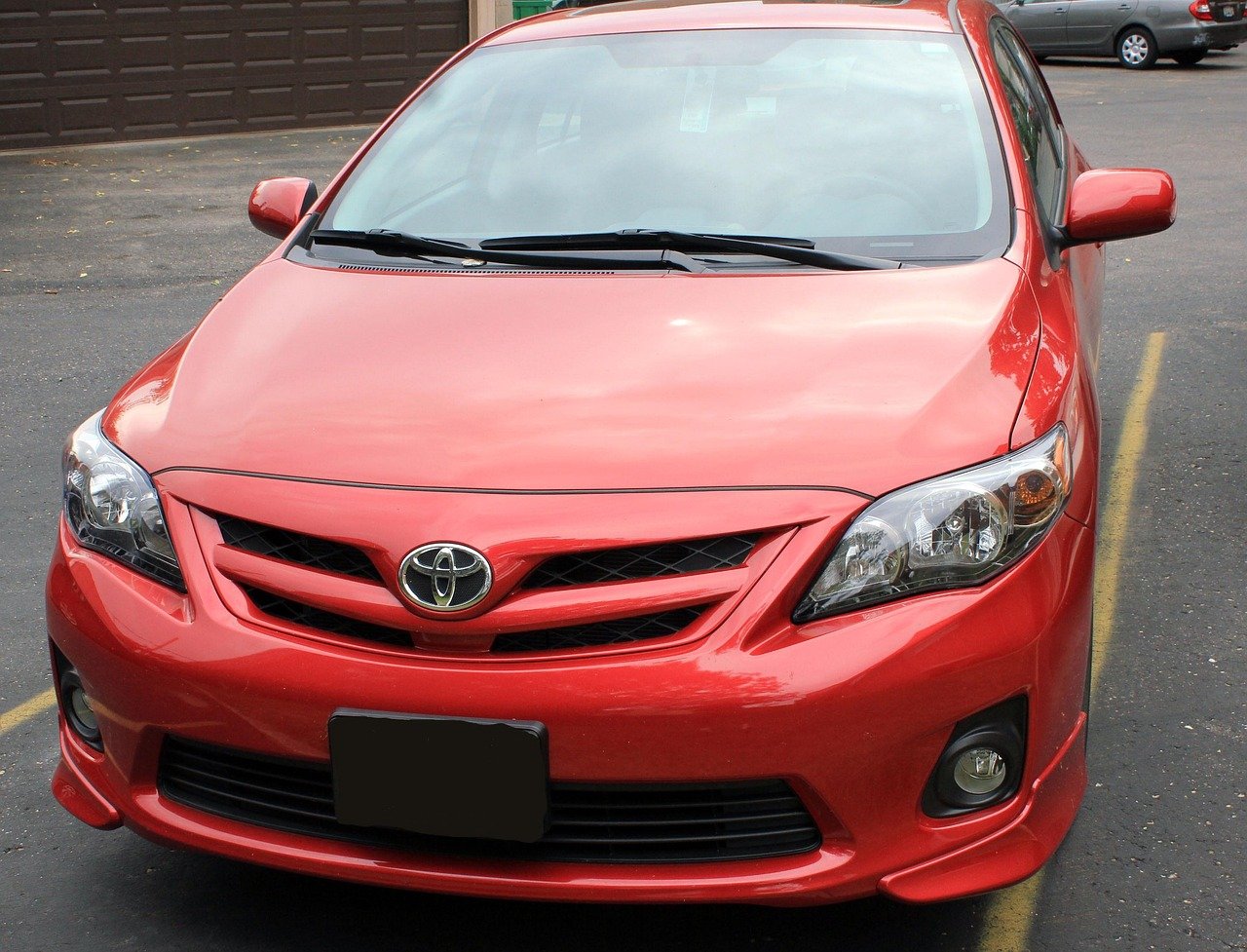
Most experts agree the 2004–2008 and 2011–2013 Corollas are among the most reliable. They have few major issues, and repairs are usually affordable. The 2017+ models are also good, but watch for the windshield and electronic issues mentioned earlier.
Experience-based advice: Always check for recalls and confirm repairs before buying any used Corolla. Small problems often become big costs if ignored.
Credit: www.samarins.com
Frequently Asked Questions
What Toyota Corolla Year Should I Avoid?
You should be careful with the 2003–2004 models due to common transmission problems and the 2009–2010 models because of steering issues. Some 2014 models also have CVT complaints. Always check individual car history.
Is The Toyota Corolla A Good Car For High Mileage?
Yes, many Corollas last well over 200,000 miles with regular maintenance. The 1998–2008 models are especially known for high-mile reliability, as long as you keep up with oil changes.
How Do I Know If A Used Corolla Has An Oil Consumption Problem?
Check the oil level before and after a long test drive. If it drops quickly, there may be a problem. Also, look for blue smoke from the exhaust and ask the owner about oil top-ups.
Are Hybrid Toyota Corollas Reliable?
Hybrid Corollas are generally reliable, but battery issues can be expensive outside warranty. Always check for battery warning lights and recall history before buying.
Where Can I Find More Information About Corolla Recalls?
Visit the official Toyota recall page or check the National Highway Traffic Safety Administration (NHTSA) at NHTSA.gov for up-to-date recall details.
Toyota Corolla has earned trust worldwide, but like any car, it has its share of issues. By knowing what to look for and staying informed on common problems by year, you can enjoy years of smooth driving and avoid expensive surprises.
Whether you’re buying, selling, or maintaining your Corolla, smart choices and regular care make all the difference.
Credit: www.youtube.com
