
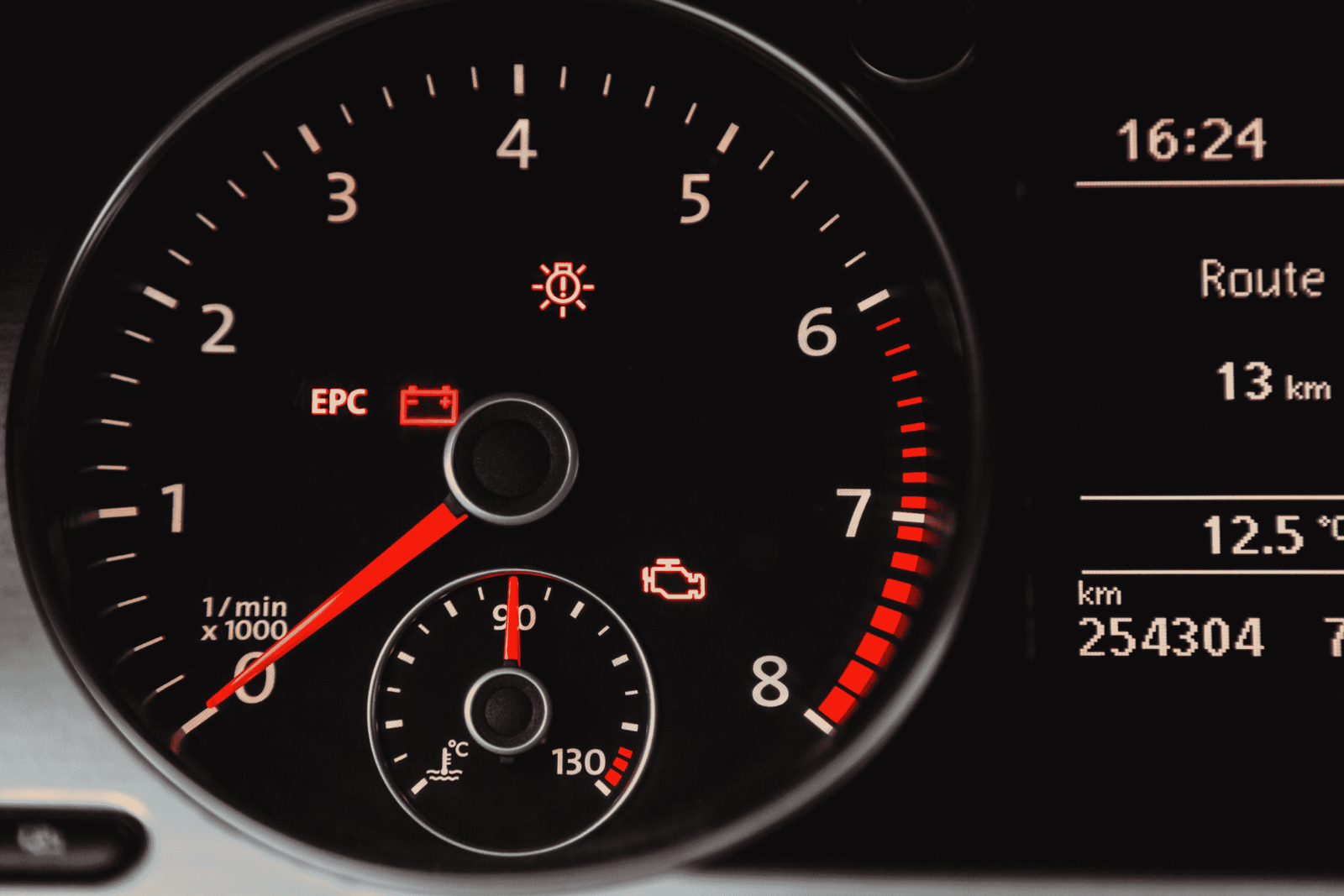
The check engine light in your Volkswagen can be a source of stress. One moment, you’re driving smoothly, and the next, a bright orange icon appears on your dashboard. What does it mean? Should you stop the car immediately, or can you finish your trip?
If you’ve ever experienced this, you’re not alone. Many Volkswagen owners feel confused when the check engine light comes on, but understanding what the codes mean can help you make smart decisions. This guide will walk you through how Volkswagen check engine light codes work, common causes, how to read the codes, and what to do next.
What Does The Check Engine Light Mean?
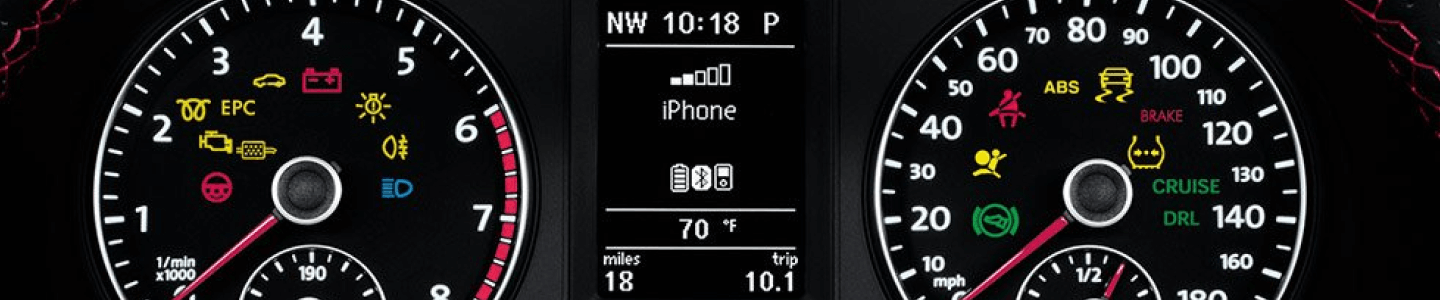
The check engine light is part of your Volkswagen’s onboard diagnostics system (OBD-II). It’s designed to alert you when something is wrong with the engine, emissions system, or related components. When the computer detects a problem, it stores a code and turns on the light.
The light can appear for minor issues, such as a loose gas cap, or serious problems, like a failing catalytic converter. It’s important not to ignore it. Sometimes, the car will run normally, but in other cases, you may notice rough idling, decreased power, or poor fuel economy.
Understanding Volkswagen Obd-ii Codes
Every code is a combination of letters and numbers, like P0171 or P0420. These codes help mechanics (and car owners) know what’s wrong.
- P codes: Powertrain (engine and transmission)
- B codes: Body (airbags, seatbelts)
- C codes: Chassis (brakes, suspension)
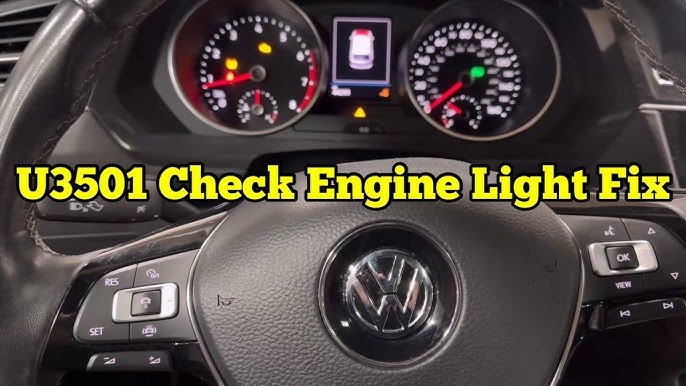
- U codes: Network (communication between modules)
Most check engine light issues relate to P codes. Volkswagen uses the same OBD-II standard as other manufacturers, but some codes are unique to VW.
What A Typical Code Means
Example: P0302
- P: Powertrain
- 0: Generic code (manufacturer-specific codes start with 1)
- 3: Cylinder misfire
- 02: Cylinder number
So, P0302 means a misfire in cylinder 2.
Credit: www.dependablecarcare.com
How To Read Volkswagen Check Engine Codes
You don’t need to be a mechanic to check the codes. Here’s how you can do it:
- OBD-II Scanner: Plug a scanner into the port (usually under the dashboard). The scanner will show you the code(s).
- Volkswagen-Specific Tools: Some tools, like VCDS (VAG-COM Diagnostic System), provide more details for VW cars.
- Auto Parts Stores: Many stores will scan your car for free.
It’s important to write down all codes and whether they’re “pending” or “stored. ” Some codes go away on their own if the problem is fixed.
Common Volkswagen Check Engine Light Codes
Let’s look at some of the most frequent codes you might see in a Volkswagen:
| Code | Meaning | Typical Causes |
|---|---|---|
| P0171 | System Too Lean (Bank 1) | Vacuum leak, bad MAF sensor, clogged fuel filter |
| P0300 | Random/Multiple Cylinder Misfire | Ignition coil, spark plugs, fuel injector |
| P0420 | Catalyst System Efficiency Below Threshold | Bad catalytic converter, O2 sensor issue |
| P0442 | Evaporative Emission System Leak Detected (small leak) | Loose gas cap, cracked EVAP hose |
| P2187 | System Too Lean at Idle (Bank 1) | Vacuum leak, PCV valve failure |
| P0299 | Turbo/Super Charger Underboost | Boost leak, bad turbo actuator |
| P0507 | Idle Air Control System RPM Higher Than Expected | Vacuum leak, throttle body issue |
| P0101 | Mass or Volume Air Flow Circuit Range/Performance Problem | Dirty MAF sensor, air filter blockage |
Some codes are common to many vehicles, but some, like P2187 or P0299, show up more in Volkswagens, especially turbocharged models.
Why The Check Engine Light Comes On
There are several reasons the light might appear. Here are the most common:
- Loose or faulty gas cap: This is the simplest cause. If the cap is not tight, fumes can escape and trigger the light.
- Oxygen sensor failure: The O2 sensor checks the exhaust for proper air/fuel mix. A failed sensor can harm fuel economy and the catalytic converter.
- Catalytic converter problems: If this part fails, you’ll get poor performance and possible damage to the engine.
- Ignition coil or spark plug failure: These cause misfires, rough running, and sometimes hard starting.
- Vacuum leaks: Hoses or gaskets can leak air into the engine, causing lean codes.
- EGR or EVAP system issues: These systems control emissions. Problems can trigger codes and fail emissions tests.
- Turbocharger problems: For VW turbo models, underboost or overboost errors are common.
It’s important to note that some issues are simple fixes, while others need professional repair.
What To Do When The Check Engine Light Comes On
When you see the check engine light in your Volkswagen, follow these steps:
- Check your gas cap: Make sure it’s tight and in good condition. If loose, tighten it and drive for a few trips. The light might turn off.
- Observe the car’s behavior: Is it running rough, making noises, or losing power? If yes, drive carefully to a repair shop.
- Scan for codes: Use an OBD-II scanner or visit an auto parts store.
- Do not ignore a flashing light: If the light is blinking, it means a serious misfire. Stop driving and get it checked immediately.
- Record all codes: Write them down for your mechanic.
- Research the codes: Some codes are minor, but others need quick attention.
Ignoring the light can lead to more expensive repairs. For example, a bad oxygen sensor might cause the catalytic converter to fail—a much costlier fix.
Volkswagen-specific Diagnostic Tools
Volkswagen cars have some unique systems. While any OBD-II reader will show basic codes, Volkswagen-specific tools like VCDS offer detailed reports. VCDS lets you access special modules, reset service lights, and see hidden codes.
If you plan to do your own repairs or maintenance, investing in a tool like VCDS can save time and money. However, for most owners, a basic scanner is enough for reading check engine codes.
Comparing Volkswagen Codes To Other Brands
Some codes are the same across all cars, but Volkswagen has its own patterns. Let’s compare a few:
| Code | Volkswagen Frequency | Other Brands Frequency | Special Notes |
|---|---|---|---|
| P0299 | Very common (turbo models) | Less common | VW turbos more sensitive to boost issues |
| P2187 | Common | Rare | Often linked with VW’s PCV system |
| P0420 | Common | Common | Universal, but VW converters can be expensive |
| P0171 | Common | Common | Vacuum leaks more likely in turbo VWs |
Non-obvious insight: Many Volkswagen codes are linked to turbocharged engines and the PCV (positive crankcase ventilation) system. These systems are more complex than in some other brands, so small leaks or failures are more likely to cause check engine codes.
Credit: www.bergevw.com
Common Mistakes When Dealing With Volkswagen Codes
Many owners make the same errors when the check engine light comes on:
- Clearing codes without fixing the problem: Some scanners let you erase codes. This only hides the symptom, not the cause. The light will return if the issue isn’t fixed.
- Ignoring a flashing light: A blinking check engine light is a warning for serious engine misfire. Driving in this condition can damage the catalytic converter quickly.
- Replacing parts without testing: Don’t just swap the oxygen sensor or spark plugs because of a code. Test the part first or get a professional diagnosis.
- Overlooking simple fixes: Sometimes, a cracked vacuum hose or loose gas cap is the real problem.
- Not keeping records: Always save your code readings and repair history. This helps if you need more repairs later.
How To Prevent Check Engine Light Problems
You can’t avoid all problems, but some steps will reduce the risk:
- Regular maintenance: Follow your VW maintenance schedule—oil changes, air filters, spark plugs, etc.
- Use quality parts: Cheap aftermarket parts can trigger codes.
- Check for recalls: Sometimes, recurring codes are caused by known issues. Volkswagen dealers can check for open recalls.
- Inspect hoses and connections: Turbocharged VWs have many hoses and clamps. Look for cracks or loose fittings.
- Drive smoothly: Hard driving can stress the engine and sensors.
Another insight: Many check engine light issues in Volkswagens come from simple things like vacuum leaks, which are easy to overlook during routine checks.
What Does It Cost To Fix Volkswagen Check Engine Codes?
Costs vary depending on the code and what’s wrong. Here are some estimates:
- Loose gas cap: Free (just tighten it)
- Oxygen sensor replacement: $150–$350
- Ignition coil or spark plug: $100–$300
- Catalytic converter: $1,000–$2,000
- Vacuum leak repair: $100–$250
- Turbocharger problems: $500–$2,000
These prices include parts and labor. Dealer repairs are usually more expensive than independent shops.
When To See A Mechanic
Some check engine light codes can be fixed at home, like tightening the gas cap or replacing a spark plug. However, for more complex problems, especially involving the turbocharger, catalytic converter, or electrical system, it’s safer to see a Volkswagen specialist.
If your car is under warranty or has a recall, repairs might be free. Always check before paying for major work.
Credit: www.youtube.com
Using Online Resources
If you want to learn more about a specific code, many forums and official sources offer help. For example, the Volkswagen official maintenance page is a good starting point for maintenance schedules and recall information.
Frequently Asked Questions
Why Is My Volkswagen Check Engine Light Flashing?
A flashing light means a serious engine misfire. This can damage the catalytic converter quickly. Stop driving and have the car checked by a mechanic immediately.
Can I Drive With The Check Engine Light On?
If the light is steady (not flashing) and the car runs normally, it’s usually safe to drive short distances. But you should scan the code and fix the problem soon to avoid expensive repairs.
How Do I Reset The Check Engine Light On My Volkswagen?
You can use an OBD-II scanner to reset the light after the problem is fixed. However, if you reset it without fixing the issue, the light will come back. Some codes clear themselves after several drive cycles if the problem is gone.
What Is The Most Common Cause Of A Check Engine Light In Vw Cars?
A loose gas cap and oxygen sensor failures are the most common. Turbocharged models often have vacuum leaks or boost-related codes.
Are Volkswagen Check Engine Codes Different From Other Brands?
Most basic codes are the same (OBD-II standard), but some codes appear more often in Volkswagens due to unique engine designs and systems.
The check engine light doesn’t have to be a mystery. With the right knowledge and tools, you can handle many problems yourself or make smarter choices at the repair shop. Understanding Volkswagen codes helps you keep your car running smoothly and avoid costly surprises.
