
When you look under the hood of a modern car, you’ll find many sensors quietly working to keep your engine running smoothly. Two of the most important are the upstream O2 sensor and the downstream O2 sensor. These tiny devices play a huge role in fuel efficiency, emissions control, and engine health. But what exactly is the difference between them? Why do cars need both? And what happens if one fails? If you’re a car owner or a DIY mechanic, understanding these sensors can save you money and help you make smarter decisions about maintenance.
The Role Of Oxygen Sensors In Your Car
Every gasoline vehicle built since the 1980s uses oxygen sensors (O2 sensors) as part of its emissions control system. Their main job is to measure the amount of oxygen in the exhaust gas as it leaves the engine. These readings tell your car’s computer (ECU) if the engine is running rich (too much fuel) or lean (too much air). With this information, the ECU can adjust the air-fuel mixture for better performance and lower emissions.
But why do cars have more than one O2 sensor? The answer lies in the path exhaust gases travel after leaving the engine. There are two main locations for these sensors:
- Upstream (pre-catalytic converter)
- Downstream (post-catalytic converter)
Each sensor has a unique purpose and function.
What Is An Upstream O2 Sensor?
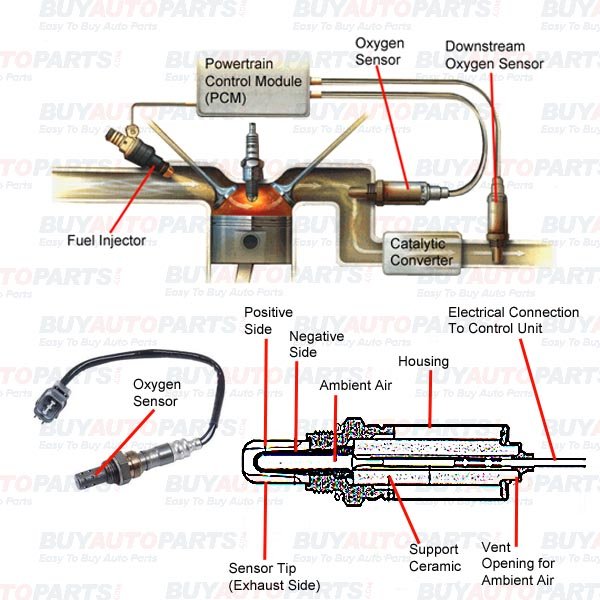
The upstream O2 sensor sits between the engine and the catalytic converter, usually in the exhaust manifold or just before the converter. Its main job is to provide real-time data to the ECU about the exhaust gases coming directly from the engine.
How The Upstream Sensor Works
This sensor constantly measures the oxygen content in the exhaust. If the sensor detects less oxygen, it signals that the mixture is rich. If it detects more oxygen, the mixture is lean. The ECU uses this feedback to adjust how much fuel is injected into the engine, aiming for an ideal ratio (known as the stoichiometric ratio, typically 14.7:1 air to fuel for gasoline engines).
Key Functions
- Controls fuel injection: Keeps the air-fuel mixture balanced for efficient combustion.
- Reduces emissions: Helps the engine burn cleaner, meeting environmental standards.
- Improves fuel economy: By optimizing the mixture, it prevents wasting fuel.
Location And Construction
You’ll usually find the upstream sensor close to the engine block, before the catalytic converter. It’s exposed to high temperatures and needs to react quickly to changes in exhaust gases.
Credit: www.buyautoparts.com
What Is A Downstream O2 Sensor?
The downstream O2 sensor is located after the catalytic converter, often a little further down the exhaust pipe. Its job is quite different from the upstream sensor.
How The Downstream Sensor Works
Instead of helping the ECU control the air-fuel mixture, this sensor’s main role is to monitor the performance of the catalytic converter. The catalytic converter is a device that transforms harmful gases (like carbon monoxide, hydrocarbons, and nitrogen oxides) into less harmful substances. The downstream sensor checks how well this process is working.
Key Functions
- Monitors catalytic converter efficiency: Tells the ECU if the converter is doing its job.
- Triggers warning lights: If the converter isn’t working properly, it helps activate the “Check Engine” light.
- Helps with emissions testing: Data from this sensor is used in emissions inspections.
Location And Construction
The downstream sensor is farther from the engine, right after the catalytic converter. It operates at slightly lower temperatures and responds to changes in exhaust composition after treatment.
Upstream Vs Downstream O2 Sensor: Side-by-side Comparison
To really see the difference, let’s compare the two sensors in key areas.
| Feature | Upstream O2 Sensor | Downstream O2 Sensor |
|---|---|---|
| Location | Before catalytic converter | After catalytic converter |
| Main Purpose | Controls air-fuel ratio | Monitors converter efficiency |
| ECU Response | Directly affects fuel injection | Triggers warning lights, monitors emissions |
| Failure Impact | Poor fuel economy, higher emissions, rough engine | Failed emissions test, “Check Engine” light |
| Sensor Reading Type | Raw exhaust gases | Treated exhaust gases |
Symptoms Of A Faulty O2 Sensor
Both upstream and downstream O2 sensors can fail over time. When they do, the symptoms are often different, depending on which sensor is affected.
Signs Of A Bad Upstream O2 Sensor
- Poor fuel economy: The engine uses too much fuel.
- Rough idle or misfiring: The air-fuel mixture is off.
- Higher emissions: May fail smog tests.
- Engine warning light: The ECU detects unusual readings.
Signs Of A Bad Downstream O2 Sensor
- Check Engine light: Especially for catalytic converter efficiency.
- Failed emissions test: The car may not pass inspection.
- No clear driving problems: Most drivers won’t notice performance issues unless the converter is also damaged.
Real-world Example
A 2012 Honda Accord with a faulty upstream O2 sensor might experience a 10-15% drop in fuel efficiency and rough idling. If the downstream sensor fails, the car may drive normally, but the “Check Engine” light will appear, and it could fail an emissions test.
How To Identify Upstream And Downstream Sensors In Your Car
For many vehicles, there’s more than one O2 sensor. Some V6 or V8 engines can have four or more. Here’s how to tell them apart:
- Upstream sensors are always before the catalytic converter, often close to the engine.
- Downstream sensors are always after the converter, usually a little further down the exhaust pipe.
If you’re replacing a sensor, always double-check your vehicle’s manual or a trusted repair guide. Using the wrong sensor location can lead to more problems.
Can You Swap Upstream And Downstream O2 Sensors?
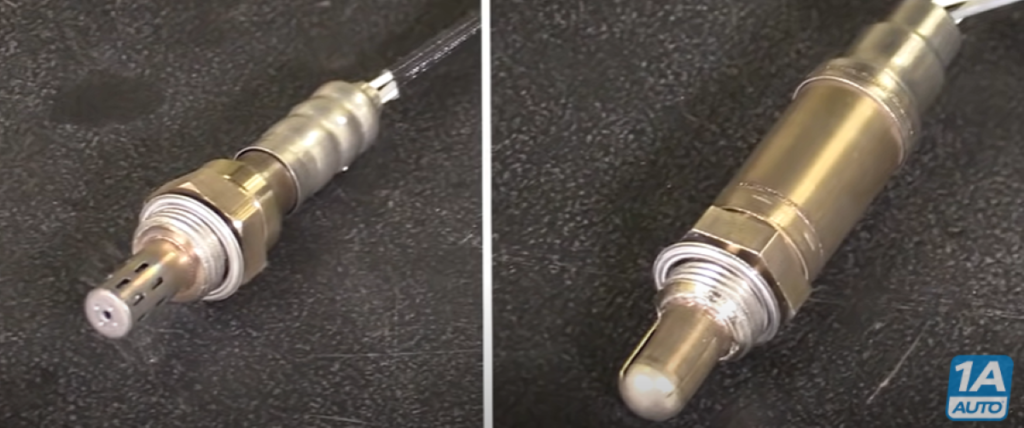
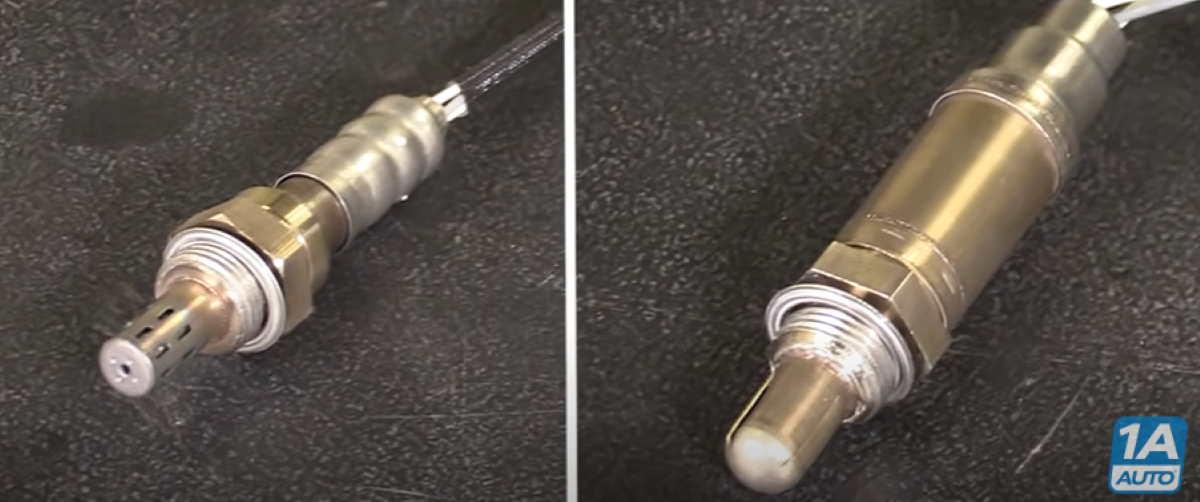
This is a common question, but the answer is usually no. While some sensors might look similar, they are often calibrated differently and have distinct wiring or connectors.
| Aspect | Upstream Sensor | Downstream Sensor |
|---|---|---|
| Heater Circuit | Often more responsive | Calibrated for stability |
| Signal Output | Frequent changes | Smoother readings |
| Interchangeable? | No | No |
Trying to swap them can confuse the ECU, lead to incorrect fuel adjustments, and may damage the catalytic converter over time.
Testing And Replacing O2 Sensors
If you suspect a faulty sensor, modern OBD-II code readers can help. Common trouble codes include:
- P0130–P0135: Upstream sensor issues
- P0140–P0141: Downstream sensor issues
Testing usually involves:
- Inspecting the sensor for physical damage or soot buildup
- Measuring voltage output (should fluctuate for upstream, stay stable for downstream)
- Checking the wiring and connectors
Replacement is often straightforward, but upstream sensors can be harder to reach due to their position near the engine.
Cost Differences: Upstream Vs Downstream O2 Sensors
Prices for O2 sensors vary depending on car make and model, but upstream sensors are often a bit more expensive. This is due to their more advanced design and faster response needs.
- Upstream O2 sensor: $50–$150 (parts only)
- Downstream O2 sensor: $40–$120 (parts only)
- Labor costs: $50–$200 depending on location and vehicle
Some premium cars use specialized sensors that can cost much more.
Why Both Sensors Matter For Emissions And Performance
Having both an upstream and downstream O2 sensor is critical for modern engines. If either fails, your car’s efficiency and environmental performance drop. The upstream sensor keeps your engine running smoothly, while the downstream sensor protects the catalytic converter and ensures legal compliance.
One insight many beginners miss: If your car fails an emissions test, replacing the downstream sensor will not always fix the problem. Sometimes, the catalytic converter itself is bad, or the upstream sensor is feeding poor data to the ECU. Always diagnose carefully before replacing parts.
Another overlooked point: Using cheap or generic O2 sensors can cause long-term issues. These sensors are precise instruments, and low-quality versions may not last or give accurate readings. Always buy reputable brands and ensure they match your vehicle’s specifications.
Credit: blog.1aauto.com
Maintenance Tips For O2 Sensors
To extend the life of your O2 sensors and avoid costly repairs:
- Use high-quality fuel to prevent carbon buildup
- Fix oil or coolant leaks quickly (fluids can contaminate sensors)
- Don’t ignore the “Check Engine” light—diagnose and fix sensor issues early
- Replace sensors according to your vehicle’s maintenance schedule (usually every 60,000–100,000 miles)
How O2 Sensors Affect Fuel Economy
A properly working upstream O2 sensor can improve your fuel economy by up to 10–15%. If your sensor is failing, the car may run rich, using more fuel than needed. This not only costs you money but can also damage the catalytic converter over time.
Upstream And Downstream O2 Sensors In Hybrid And Diesel Cars
Most hybrids and some diesel cars use O2 sensors, but their roles may differ slightly. Diesel engines sometimes use NOx sensors or other emissions sensors in addition to O2 sensors. Hybrids rely heavily on O2 sensor data for switching between electric and gasoline power modes.
For more technical details about O2 sensors, you can visit Wikipedia.
Frequently Asked Questions
What Happens If I Drive With A Bad O2 Sensor?
Driving with a bad O2 sensor, especially the upstream one, can lead to poor fuel economy, higher emissions, and possible engine damage over time. For downstream sensors, the main risk is failing emissions tests and potential damage to the catalytic converter if issues are ignored.
How Often Should O2 Sensors Be Replaced?
Most manufacturers recommend replacing O2 sensors every 60,000 to 100,000 miles. However, if you notice symptoms like rough idling, poor gas mileage, or the “Check Engine” light, test and replace them sooner.
Can I Clean An O2 Sensor Instead Of Replacing It?
While some people try to clean O2 sensors with special sprays or by heating, this rarely restores full function. Contaminated or worn sensors usually need to be replaced for reliable performance.
Are All O2 Sensors The Same?
No. O2 sensors are made for specific vehicles and positions (upstream or downstream). They differ in design, calibration, and connectors. Using the wrong sensor can cause new problems.
Will A Bad Downstream Sensor Affect Engine Performance?
A bad downstream O2 sensor usually won’t affect how your engine runs, but it can trigger warning lights and cause your car to fail emissions tests. However, if left unchecked, it can hide other problems like a failing catalytic converter.
Understanding the difference between upstream and downstream O2 sensors can help you keep your car running efficiently, pass emissions tests, and avoid costly repairs. Next time your “Check Engine” light comes on, you’ll know a bit more about what might be happening under your hood.
Credit: blog.1aauto.com