
A small part under your car’s hood can make a big difference in how your engine runs. This part is called the PCV valve (Positive Crankcase Ventilation valve). Even though it’s not as famous as spark plugs or air filters, this simple valve plays a major role in engine health, fuel economy, and even air pollution. Many people forget about it until there’s a problem. But understanding the PCV valve replacement schedule can save you money and headaches.
Most car owners know about oil changes and brake pads. Fewer think about the PCV valve, even though it’s usually inexpensive and easy to replace. Ignoring it can lead to rough engine performance, higher emissions, or even costly repairs. In this guide, you’ll learn what a PCV valve does, why a schedule matters, how to know it’s time for replacement, and tips for different car models and climates.
What Is A Pcv Valve And Why Does It Matter?
The PCV valve is a small, spring-loaded device in your engine. Its main job is to control gases that build up inside the engine’s crankcase. Without a PCV system, these gases would escape into the air or create pressure that can damage your engine.
When your engine runs, some fuel and air slip past the pistons and collect in the crankcase. These gases contain unburned fuel and oil vapor. The PCV valve helps send them back into the engine to burn properly. This reduces air pollution and keeps your engine oil clean longer.
A working PCV valve keeps your engine:
- Running smooth
- Burning fuel efficiently
- Emitting fewer harmful gases
When the valve gets stuck or dirty, it can cause rough idling, oil leaks, or even engine damage. That’s why knowing when to replace it is important for any car owner.
How Often Should You Replace The Pcv Valve?
There’s no single answer for every car. Most car makers suggest a PCV valve replacement schedule between 20,000 and 60,000 miles. Some modern vehicles have “lifetime” PCV systems, but even these can wear out due to oil and debris.
Here’s a quick comparison of common recommendations:
| Car Manufacturer | Recommended PCV Valve Change Interval |
|---|---|
| Toyota | 30,000-60,000 miles |
| Honda | 30,000-50,000 miles |
| Ford | 20,000-50,000 miles |
| Volkswagen | 40,000-60,000 miles |
| Hyundai/Kia | 30,000-60,000 miles |
Always check your owner’s manual for your car’s specific recommendation.
Why Schedules Vary
Replacement schedules are not the same for every car because:
- Engine design: Some engines create more vapors or have more sensitive PCV systems.
- Driving style: Stop-and-go driving or short trips can dirty the PCV valve faster.
- Oil type: Synthetic oils often keep the valve cleaner for longer.
- Climate: Cold weather can cause moisture and sludge that block the PCV valve.
Pro tip: Even if your car’s manual says “inspect only,” it’s wise to replace the PCV valve every 40,000–50,000 miles as cheap insurance.
Signs Your Pcv Valve Needs Replacement
You don’t have to wait for a problem before changing the PCV valve. But if you see any of these signs, it may be time:
- Rough idle or stalling: A stuck valve can make your engine shake or stall at stop lights.
- Oil leaks: Excess pressure from a bad valve can push oil out of gaskets and seals.
- Increased oil consumption: You may need to add oil more often without a visible leak.
- Check Engine Light: Many cars will show an error code if the PCV system isn’t working.
- Poor fuel economy: A bad PCV valve can make your engine burn more fuel.
- Engine misfire: Unbalanced air-fuel mix can make one or more cylinders misfire.
- Contaminated air filter: Oil vapor can back up and make your air filter oily.
Two often-missed warning signs are a whistling noise from the engine bay (air leak through the valve) or a strong smell of burned oil, especially after short trips.
Why Skipping Pcv Valve Replacement Is Risky
People often ignore the PCV valve because it’s small and cheap. But delaying replacement can lead to big problems:
- Engine sludge: Dirty vapors mix with oil, creating thick sludge that blocks oil flow.
- Blown gaskets and seals: Pressure builds up and damages engine parts.
- Catalytic converter failure: Oil vapor can clog or damage the converter, an expensive fix.
- Failed emissions test: Your car can release more pollution, failing state inspections.
A $10–$20 part can protect thousands of dollars’ worth of engine components.
How To Replace A Pcv Valve: Step-by-step
Changing the PCV valve is often simple. Many people do it themselves in under 30 minutes. Here’s a basic guide:
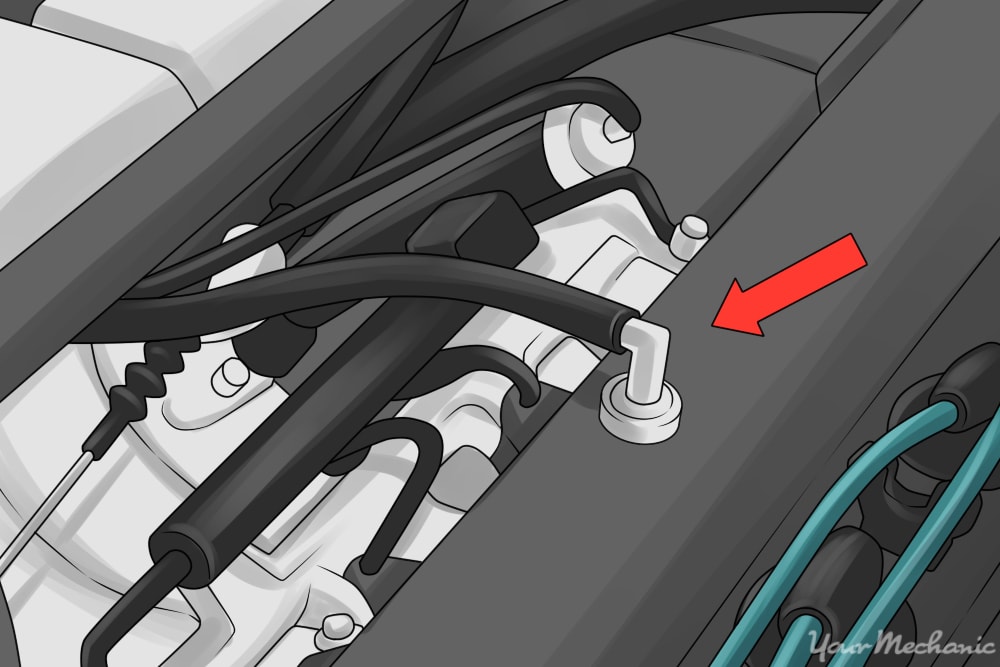
- Find the PCV valve: Usually on the valve cover, connected by a rubber hose.
- Remove the hose: Gently pull off the hose attached to the valve.
- Remove the old valve: Twist or pull it out. Some use a simple grommet, others may need a wrench.
- Check the valve: Shake it. If you don’t hear a rattle, or it’s sticky, it’s time to replace.
- Install the new valve: Push or twist it in place.
- Reconnect the hose: Make sure it fits snugly.
For some cars, the PCV valve is hidden under engine covers or near the intake manifold. In these cases, you may need extra tools or a mechanic’s help.
Common Mistakes To Avoid
- Forgetting the hose: The hose can also crack or clog. Inspect it and replace if needed.
- Wrong valve: Always use the PCV valve designed for your engine.
- Forcing the part: If it doesn’t fit easily, check for the correct orientation or part number.
- Ignoring grommets/seals: These can harden with age and cause leaks if not replaced.
Pcv Valve Maintenance: Tips For Different Conditions
Your driving habits and climate can change how often you need to replace the PCV valve. Here’s how:
| Condition | Effect on PCV Valve | Recommended Action |
|---|---|---|
| City driving/Short trips | More condensation and sludge | Inspect every oil change, replace sooner |
| Frequent highway driving | Valve stays cleaner | Can follow upper end of schedule |
| Extreme cold | Moisture may freeze, causing blockage | Check before and after winter |
| High-performance engines | More blow-by gases | Inspect more often, consider upgraded valve |
Non-obvious tip: If your car is rarely driven, the PCV valve can still clog from oil vapor and dust. Time, not just mileage, can affect its life.
Credit: www.youtube.com
Cost Of Pcv Valve Replacement
The cost to replace a PCV valve is usually low compared to other engine parts. Typical costs include:
- Part: $10–$30 for most vehicles
- Labor: $30–$80 if done by a shop
- DIY: Usually just the part cost and a few simple tools
Some premium or turbocharged engines have more complex PCV systems. These can cost $100 or more for parts and take longer to replace.
Pcv Valve Vs. Other Maintenance Items
Here’s how the cost and time for a PCV valve compares to other common parts:
| Part | Average Replacement Cost | Recommended Interval |
|---|---|---|
| PCV Valve | $10–$30 | 30,000–60,000 miles |
| Spark Plugs | $40–$150 | 30,000–100,000 miles |
| Engine Air Filter | $20–$50 | 15,000–30,000 miles |
| Fuel Filter | $50–$120 | 30,000–60,000 miles |
As you can see, replacing the PCV valve is one of the most affordable ways to keep your engine healthy.
Tips For Different Car Models
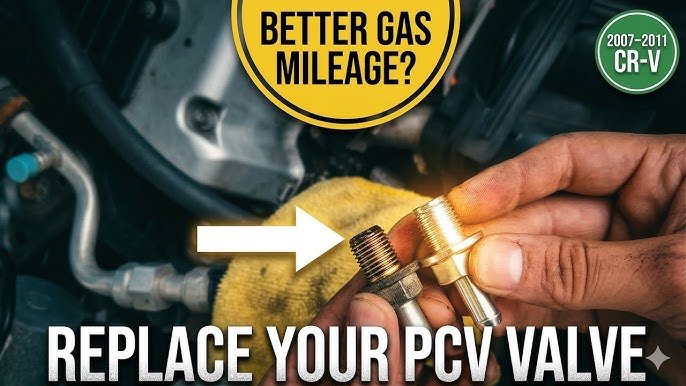
Not all PCV valves look or work the same. Some vehicles use a simple metal valve, others use plastic or even electronic systems. Here are some examples:
- Older cars (pre-2000): Usually have a simple, easily accessible valve.
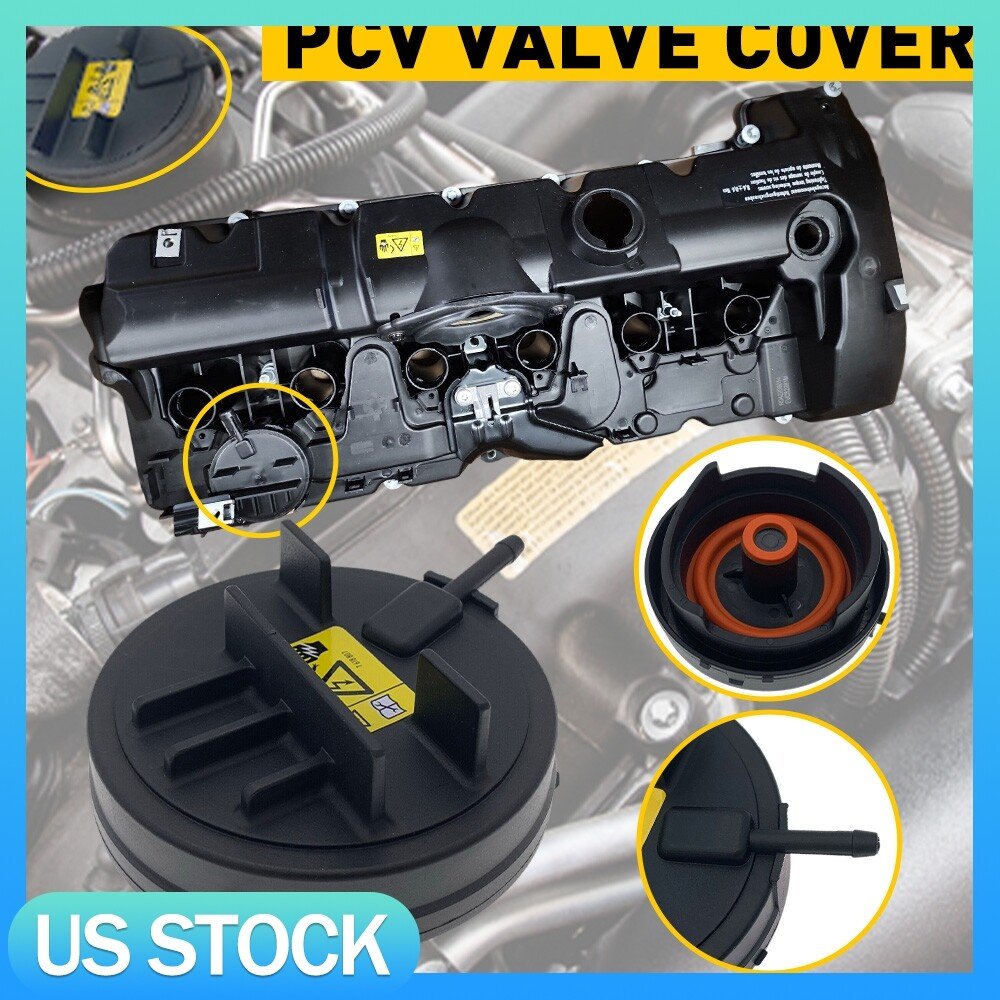
- Modern cars: Some use a complex PCV system that is part of the valve cover.
- Turbocharged engines: Often have multiple PCV valves or oil separators.
Hidden insight: Some European cars have “sealed” PCV systems. These require the whole valve cover to be replaced if the valve fails. Always check your service manual or ask a trusted mechanic before buying parts.
Credit: www.ebay.com
Environmental And Legal Reasons To Replace Your Pcv Valve
A working PCV valve does more than protect your engine. It’s also important for:
- Reducing air pollution: By reburning gases, the PCV system lowers harmful emissions.
- Passing emissions tests: Many regions check the PCV system during inspections.
- Legal compliance: In some countries, a faulty PCV system can mean fines or failing your inspection.
For more about emissions and PCV systems, see this detailed guide.
How To Make Your Pcv Valve Last Longer
A few simple habits can help you get the most from your PCV valve:
- Change your oil on time: Clean oil prevents sludge buildup.
- Use quality oil and filters: Cheaper products can leave more deposits.
- Drive longer trips: Engines that reach full temperature burn off moisture and keep the PCV valve cleaner.
- Inspect hoses and connections: Replace any that look cracked or brittle.
If you do a lot of short trips or drive in dusty areas, consider replacing the PCV valve a little sooner than the manual suggests.
Credit: www.yourmechanic.com
Frequently Asked Questions
What Happens If I Never Replace The Pcv Valve?
If you ignore the PCV valve, it can clog and cause pressure to build inside the engine. This can lead to oil leaks, poor fuel economy, engine sludge, and even expensive engine damage over time.
How Do I Know If My Pcv Valve Is Bad?
Common signs are rough idle, oil leaks, poor fuel economy, a check engine light, or increased oil consumption. You can also remove the valve and shake it—if it doesn’t rattle or is sticky, it’s likely bad.
Can I Clean The Pcv Valve Instead Of Replacing It?
Some older PCV valves can be cleaned with solvent and reused. However, because new valves are inexpensive, most experts recommend replacing instead of cleaning to guarantee proper function.
Does Every Car Have A Pcv Valve?
Most gasoline engines since the 1960s have a PCV system, but some newer or diesel engines use different designs. Always check your specific car’s manual to confirm.
Is It Safe To Drive With A Bad Pcv Valve?
While you may be able to drive for a while, it’s not safe for your engine or the environment. A faulty PCV valve can cause serious engine problems if ignored.
Keeping track of your PCV valve replacement schedule is a small task that pays off with smoother performance, lower repair costs, and cleaner air. A little time and attention now can save you big trouble later.
