
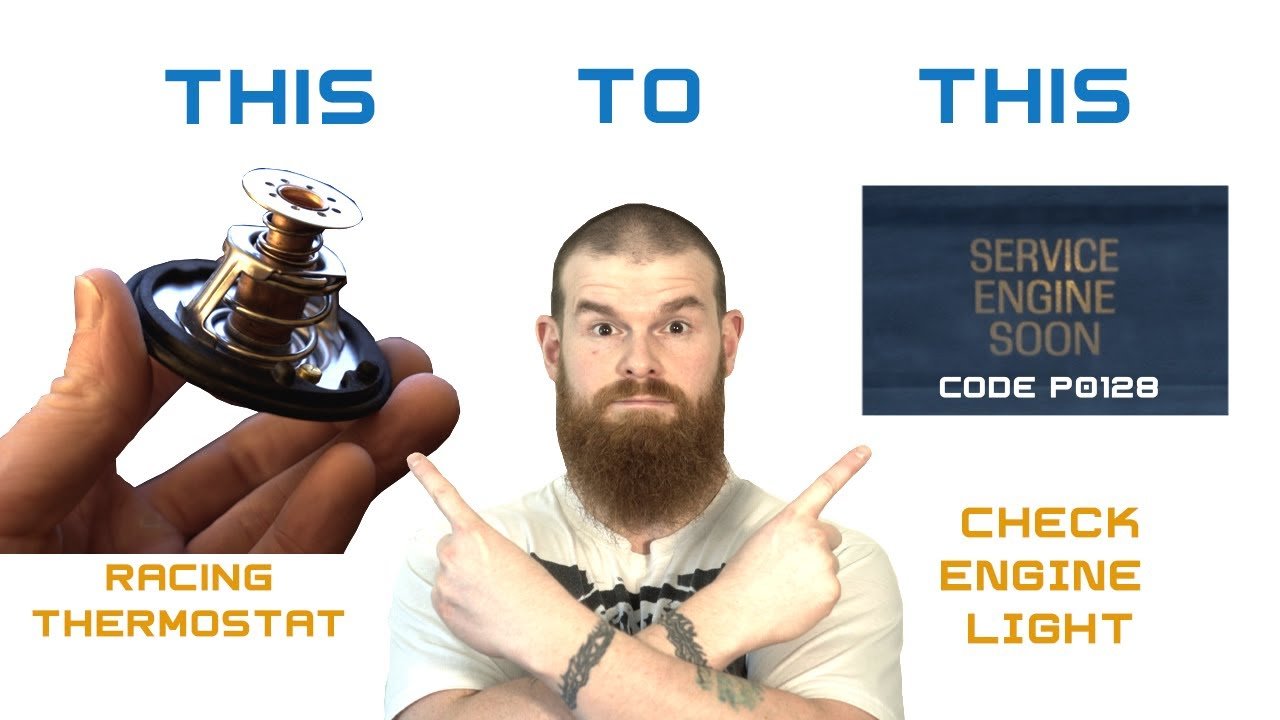
When your car’s check engine light comes on, it can feel stressful and confusing. One common reason for this warning is a problem with the thermostat. Many drivers don’t realize how important the thermostat is for engine health, or how a small issue can lead to big problems. If you’ve ever wondered why the check engine light might signal a thermostat fault, how to diagnose it, and what it means for your car, you’re in the right place. This article will guide you through everything you need to know about the connection between the check engine light and the thermostat, helping you make smart decisions and avoid costly mistakes.
What Is A Thermostat In A Car?
The thermostat in your car is a small but essential part of the cooling system. Its main job is to control the flow of coolant between the engine and the radiator. When the engine is cold, the thermostat stays closed, letting the engine warm up quickly. Once it reaches the right temperature (usually around 195°F or 90°C), the thermostat opens to let coolant flow, preventing the engine from overheating.
Many people think the thermostat is a simple switch, but it’s more advanced. Most modern cars have a thermostat with a sensor that communicates with the engine control unit (ECU). This allows the car’s computer to monitor engine temperature and adjust the fuel mixture or fan speed if needed.
Why The Check Engine Light Comes On For Thermostat Problems
The check engine light turns on when the car’s computer detects something unusual. If your thermostat is stuck open or closed, it can trigger fault codes. Here are the main reasons why:
- Stuck Closed: If the thermostat won’t open, coolant can’t circulate. The engine overheats, which can quickly lead to severe damage.
- Stuck Open: If the thermostat is always open, the engine stays too cool. This can cause poor fuel economy, higher emissions, and weak heater performance.
- Slow to Respond: Sometimes, a thermostat is slow to open or close. This may not cause immediate damage, but it confuses the engine’s computer and triggers the warning light.
Modern vehicles use sensors to track coolant temperature. If the sensor readings don’t match what’s expected, the ECU records a trouble code. The check engine light will stay on until the issue is fixed and the codes are cleared.
Credit: www.youtube.com
How A Bad Thermostat Affects Your Car
A faulty thermostat does more than just trigger a warning light. It can impact your car in several ways:
- Overheating: If the thermostat is stuck closed, the engine overheats quickly. This can warp the cylinder head, blow a head gasket, or even crack the engine block.
- Poor Fuel Economy: When the engine stays too cool, it burns more fuel. The ECU may run a richer fuel mixture to compensate for the cold.
- Increased Emissions: A cold engine does not burn fuel efficiently. This leads to higher emissions, which can cause your car to fail a smog check.
- Weak Heater Performance: The heater relies on hot coolant. If the engine never warms up, your car’s heater will blow cold air, making winter drives uncomfortable.
- Engine Wear: Operating at the wrong temperature increases wear. Oil may not flow properly, and parts may expand or contract more than they should.
Many drivers ignore the check engine light if the car seems to run fine. But a faulty thermostat can cause hidden problems that get worse over time.
Common Symptoms Of A Bad Thermostat
Sometimes the check engine light is the only sign, but usually, you’ll notice other symptoms. Here’s what to watch for:
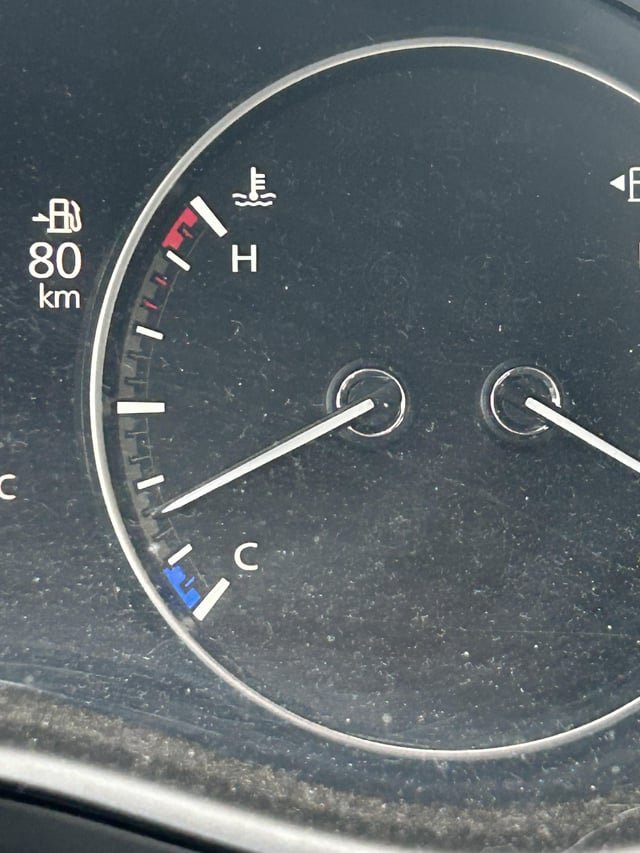
- The temperature gauge stays low or very high
- The heater blows cold air even when the engine is warm
- Coolant leaks around the thermostat housing
- The engine overheats suddenly, especially in traffic
- You smell sweet, hot coolant or see steam from the hood
If you see these symptoms, it’s important to check your thermostat soon. Waiting can lead to much bigger repair bills.
Diagnosing Thermostat Problems
Diagnosing a thermostat issue isn’t always simple, but there are clear steps you can follow. Here’s a guide to help you get started:
1. Read The Trouble Codes
When the check engine light comes on, the first step is to use an OBD-II scanner. Most auto parts stores offer free code reading. Common thermostat-related codes include P0128 (“Coolant Temperature Below Thermostat Regulating Temperature”).
2. Check The Temperature Gauge
Start your car and watch the temperature gauge. On most cars, it should reach the middle within 5–10 minutes of driving. If it stays low or spikes suddenly, the thermostat may be stuck.
3. Feel The Hoses
With the engine running and fully warmed up, carefully touch (do not grab tightly) the radiator hoses. If one hose is hot and the other is cold, the thermostat may not be opening.
4. Look For Leaks
Check around the thermostat housing for coolant leaks. A bad seal or cracked housing can let coolant escape, leading to overheating.
5. Use An Infrared Thermometer
You can use an infrared thermometer to check temperatures at different points in the cooling system. This helps find “cold spots” that suggest a stuck thermostat.
Here’s a comparison of methods you can use to diagnose thermostat problems:
| Method | Tools Needed | Accuracy | Skill Level |
|---|---|---|---|
| OBD-II Scanner | Scanner Tool | High | Beginner |
| Temperature Gauge | None | Medium | Beginner |
| Feel Hoses | Gloves | Medium | Beginner |
| Infrared Thermometer | Thermometer | High | Intermediate |
How To Fix A Faulty Thermostat
If you’ve confirmed the thermostat is bad, replacement is usually the best option. Here’s what you need to know about the repair process:
Tools And Parts Needed
- New thermostat (make sure it matches your car)
- New gasket or O-ring
- Wrench or socket set
- Coolant (check your owner’s manual for the type)
- Drain pan
- Screwdrivers
- Clean rags
Step-by-step Replacement
- Cool Down: Make sure the engine is completely cool before starting.
- Drain Coolant: Place a drain pan under the radiator and open the drain valve.
- Remove Housing: Loosen the bolts on the thermostat housing. You may need to remove other parts for access.
- Remove Thermostat: Take out the old thermostat and gasket.
- Clean Surface: Wipe the housing and engine surface clean. Remove any gasket residue.
- Install New Thermostat: Place the new thermostat and gasket in the same position as the old one.
- Reattach Housing: Tighten the bolts evenly, but don’t overtighten.
- Refill Coolant: Pour in fresh coolant, using the right type and mixture.
- Bleed the System: Start the engine and let it run with the radiator cap off to remove air bubbles.
- Check for Leaks: Watch for drips or puddles under the car.
Practical Tips
- Always use the correct thermostat for your car’s engine. Using the wrong temperature rating can cause engine problems.
- Replace the gasket every time you change the thermostat to prevent leaks.
- After replacement, monitor the temperature gauge closely for the next few days.

Credit: shop.advanceautoparts.com
Can You Drive With The Check Engine Light On Due To Thermostat?
This is a common question. If the check engine light is on but the car seems to run fine, it might be tempting to keep driving. Here’s what you need to consider:
- If the thermostat is stuck open, you can usually drive for a short time. But you’ll have poor fuel efficiency, higher emissions, and weak heating.
- If the thermostat is stuck closed, do not drive! The engine can overheat in minutes, causing serious damage.
- In both cases, driving for long periods is risky. Even if the car seems fine, internal damage can build up.
It’s always best to fix thermostat problems as soon as possible. Ignoring them can turn a small repair into a major engine rebuild.
Cost Of Thermostat Replacement
The price to replace a thermostat varies by car and location. Here’s a general cost breakdown:
| Type of Car | Parts Cost | Labor Cost | Total Estimated Cost |
|---|---|---|---|
| Economy | $20–$40 | $60–$100 | $80–$140 |
| Mid-range | $30–$60 | $80–$150 | $110–$210 |
| Luxury/European | $50–$120 | $120–$250 | $170–$370 |
Prices can be higher if you need to replace coolant, hoses, or other parts. Doing the job yourself saves on labor, but be sure you have the right tools and knowledge.
Credit: www.reddit.com
Preventing Thermostat Problems
You can reduce the risk of thermostat failure by following simple maintenance steps:
- Change coolant every 2–5 years (check your manual)
- Use the correct coolant type
- Watch for leaks or overheating
- Replace the thermostat if you notice symptoms
- Check the temperature gauge regularly
A well-maintained cooling system protects the engine and helps avoid expensive repairs.
Non-obvious Insights For Beginners
- Thermostat Problems Can Affect Sensors: If your thermostat fails, the coolant temperature sensor may give false readings. This can affect fuel mixture, idle speed, and even automatic transmission shifting.
- Winter and Summer Risks Are Different: In winter, a stuck-open thermostat makes your heater useless and reduces visibility by fogging up windows. In summer, a stuck-closed thermostat puts you at high risk for overheating, especially in traffic.
Many people overlook these issues, but knowing them can save you trouble down the road.
When To Seek Professional Help
If you’re not comfortable working with car engines or if the thermostat is hard to reach, it’s best to let a mechanic handle the job. Some modern cars have thermostats buried deep inside the engine, making DIY repairs much harder.
Also, if you replace the thermostat and the check engine light stays on, there might be another issue, like a faulty sensor or wiring problem. Don’t ignore repeated warnings—get a professional diagnosis.
For more detailed technical information, you can refer to the Wikipedia page on automotive thermostats.
Frequently Asked Questions
What Does The Code P0128 Mean?
The P0128 code means the engine is not reaching the proper operating temperature. This often points to a stuck-open thermostat but could also be caused by a faulty coolant temperature sensor.
Can I Ignore The Check Engine Light If My Car Runs Fine?
It’s not safe to ignore the check engine light, even if the car feels normal. Hidden problems, like a thermostat stuck open, can cause engine wear, poor fuel economy, and higher emissions over time.
How Long Can I Drive With A Bad Thermostat?
If the thermostat is stuck open, you may drive for a short time, but performance and efficiency will suffer. If it’s stuck closed, do not drive—overheating can ruin your engine in minutes.
How Do I Know If My Thermostat Is Stuck Closed?
Signs include a quickly rising temperature gauge, steam from under the hood, and engine overheating. Pull over and turn off the engine immediately to avoid serious damage.
Is It Expensive To Replace A Thermostat?
No, replacing a thermostat is usually affordable. Most repairs cost between $80 and $210 depending on your car and where you get it fixed. However, ignoring the problem can lead to much higher repair bills.
Keeping your car’s cooling system in top shape is key to engine health. If your check engine light comes on, don’t wait—investigate the cause, and address thermostat issues quickly to keep your car running smoothly for years to come.