
When your car’s check engine light comes on, it can feel stressful and confusing. Many drivers think they need a special tool, like an OBD-II scanner, to turn the light off. But what if you don’t have one? Is it possible to clear the check engine light without a scanner?
The answer is yes—sometimes. This guide will show you practical methods, explain when and why the light appears, and help you avoid common mistakes. You’ll also learn why the light matters and when it’s best to seek professional help. Let’s make the mystery behind that dashboard warning a little less scary.
Why Does The Check Engine Light Turn On?
The check engine light is part of your car’s onboard diagnostics system (OBD). It warns you when something is wrong with your vehicle’s engine or emission system. Here are some common reasons for the light:
- Loose gas cap: One of the most frequent causes.
- Faulty oxygen sensor: A sensor that measures unburned oxygen in the exhaust.
- Bad catalytic converter: This part reduces harmful gases.
- Malfunctioning spark plugs or wires: These are needed for engine ignition.
- Problems with the mass airflow sensor: This sensor checks the air entering the engine.
Sometimes, the problem is minor. Other times, it needs urgent attention. That’s why you should never ignore it.
Is It Safe To Clear The Check Engine Light?
Before you try to clear the light, remember: the light is not the problem—it’s a sign of a problem. Clearing the light without fixing the issue can lead to:
- Poor engine performance
- Lower fuel economy
- More expensive repairs in the future
- Failing emissions tests
It’s always best to find and fix the real issue before clearing the light. In some cases, the problem is already fixed, but the light stays on. Then, it’s okay to clear it.
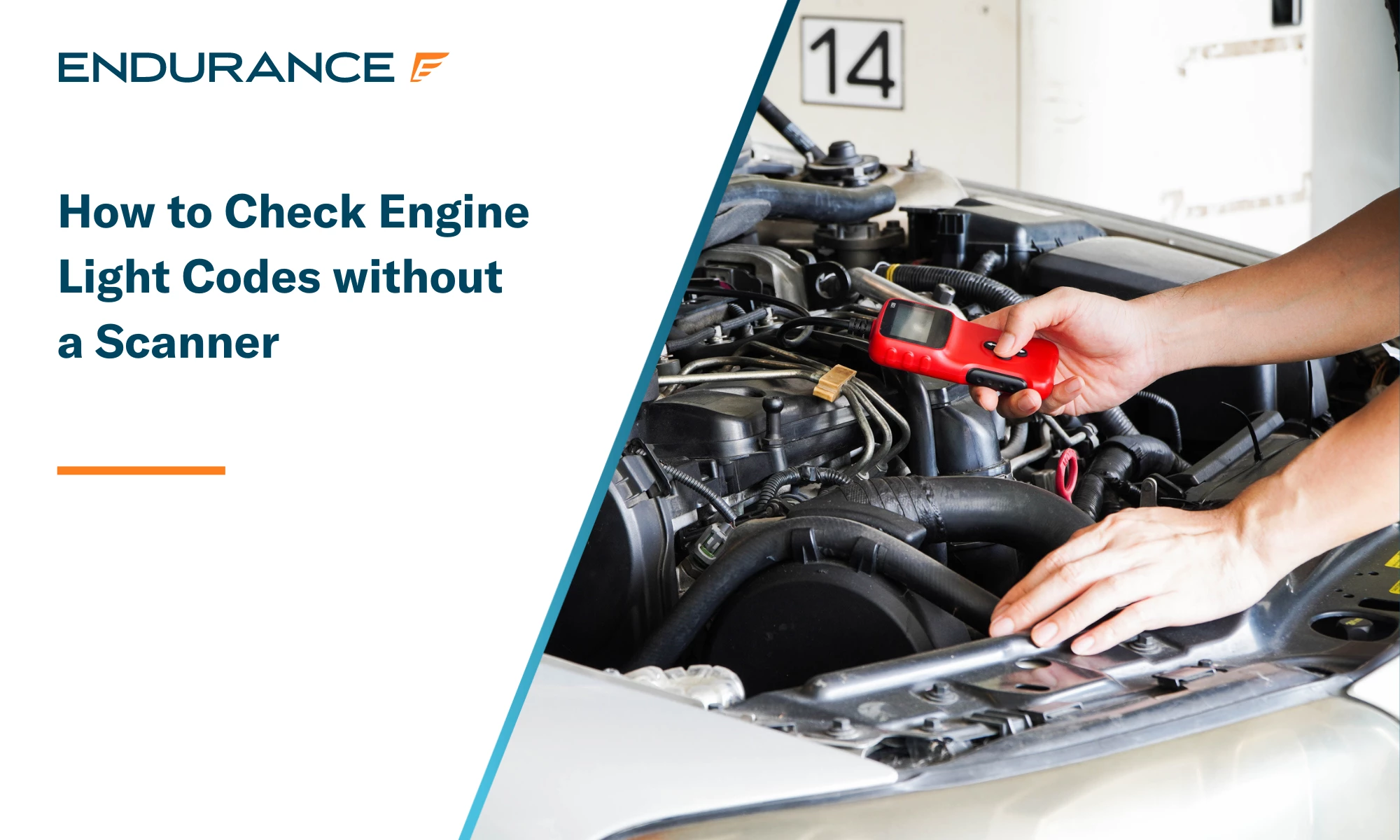
Credit: www.endurancewarranty.com
Methods To Clear The Check Engine Light Without A Scanner
You don’t always need a scanner to reset the check engine light. Here are the most common ways to do it, step by step.
1. Drive And Let It Turn Off Naturally
Modern cars are smart. If the problem that caused the light is fixed, sometimes the light will turn off by itself after a certain number of drive cycles.
How it works:
- A drive cycle is when you start the car, drive until it warms up, and then turn it off.
- If the car’s computer detects no problems after a few cycles (usually 3-4), the light may go off.
Example: If you tightened a loose gas cap, drive your car as usual. After a few days, the light might disappear.
What beginners miss: This method only works if the original problem is actually gone. If the issue is still there, the light will stay on.
2. Disconnect The Battery
This is a classic trick and often works on older vehicles.
Steps:
- Turn off your car and remove the keys.
- Find the negative battery terminal (it usually has a minus sign and black cable).
- Use a wrench to loosen the nut on the negative terminal.
- Remove the cable and wait for 15-30 minutes.
- Reconnect the cable and tighten the nut.
- Start your car.
This resets the car’s computer and can clear the check engine light.
Important tips:
- Make sure you have radio codes or settings handy, as they may reset.
- This method doesn’t always work on newer cars (2010 and up) because some systems have backup power.
Non-obvious insight: Sometimes, disconnecting the battery clears more than just the check engine light. It can reset your car’s clock, radio, and saved settings.
3. Turn The Ignition On And Off
This method is simple and safe for most cars.
Steps:
- Insert your key and turn it to the “on” position (do not start the engine).
- Wait for a few seconds (about 5).
- Turn the key off.
- Repeat this process three times.
After the third time, start the engine and check if the light is gone.
Why it works: This process can reset the car’s computer in some vehicles.
Common mistake: Turning the key too fast or skipping steps. Be patient and follow the sequence.
4. Remove And Reinstall The Ecu Fuse
Every car has fuses that control different systems. The ECU (Engine Control Unit) fuse is linked to your engine’s computer.
Steps:
- Turn off the car.
- Find the fuse box (usually under the hood or dashboard).
- Check the diagram to find the ECU/ECM fuse.
- Use plastic tweezers or your fingers to pull out the fuse.
- Wait for 10-15 minutes.
- Reinsert the fuse securely.
- Start the car.
Warning: Removing the wrong fuse may affect other systems. Always check the diagram.
Advanced tip: Some cars have more than one fuse for the ECU. Remove all related fuses for a full reset.
5. Fix The Problem, Then Wait
Some issues (like a loose gas cap or dirty sensor) can be fixed easily. Once you fix them, drive the car. The light may go off on its own after a few cycles.
Real-world example: Many drivers forget to tighten the gas cap. After fixing it, they worry when the light stays on. In reality, it just needs some time and driving to reset.
Comparison: Clearing Methods And Their Effectiveness
To help you understand which method suits your car, see the comparison below.
| Method | Works On Older Cars | Works On Newer Cars | Risks | Effectiveness |
|---|---|---|---|---|
| Drive and Wait | Yes | Yes | None | Moderate-High |
| Disconnect Battery | Yes | Sometimes | Loss of radio/settings | Moderate |
| Ignition On/Off | Yes | Sometimes | Low | Low-Moderate |
| Remove ECU Fuse | Yes | Yes | Possible fuse mix-up | High |
When Should You Not Clear The Check Engine Light?
It’s tempting to clear the light and hope for the best, but you should not do this in these situations:
- The car is running rough, shaking, or losing power.
- The light is flashing (means a serious misfire or urgent problem).
- You have not fixed the underlying issue.
- The car is due for an emissions test soon.
Clearing the light without a fix can hide important information from your mechanic. If the light comes back right away, it’s a clear sign something still needs attention.
What If The Light Comes Back After Resetting?
If you clear the check engine light and it returns quickly, your car still has a problem. Here’s what you should do:
- Check simple things: Gas cap tightness, oil level, visible wires.
- Listen for new sounds: Any knocking, ticking, or hissing.
- Look for leaks: Puddles under the car can be a clue.
- Visit a mechanic: Sometimes, only a professional can find the issue.
Non-obvious insight: Some problems are “intermittent.” This means they come and go. Even if the light turns off for a while, it might return later.
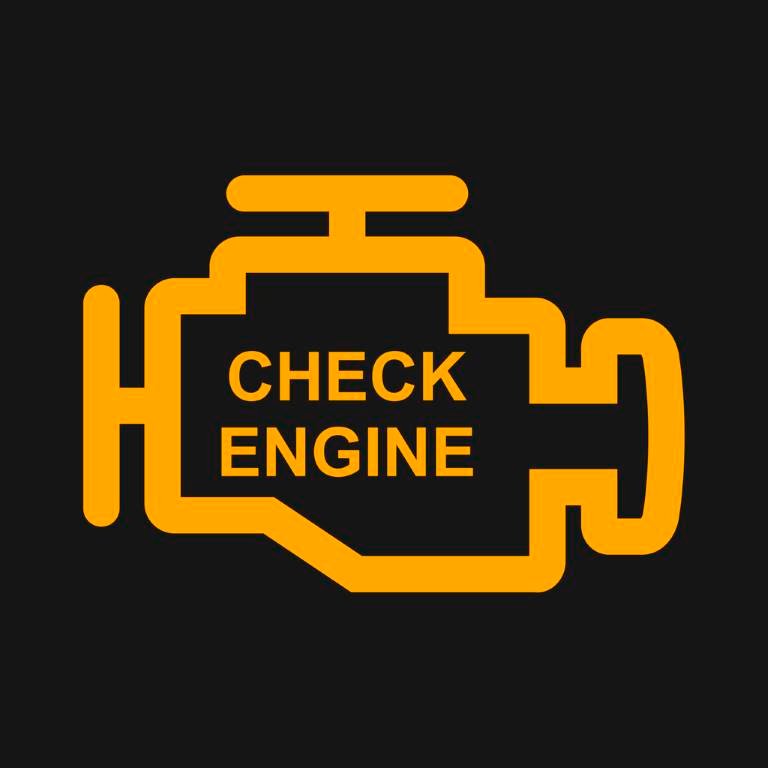
Credit: www.whipflip.com
Dangers Of Clearing The Light Without Solving The Problem
Many car owners think turning off the light solves the problem. But this can lead to:
- Increased emissions: Bad for the environment and can cause you to fail tests.
- Poor performance: Your car may use more fuel or lose power.
- Bigger repairs: Small issues can turn into major repairs if ignored.
It’s always smarter to fix the issue, not just hide the warning.
Differences Between Older And Newer Cars
Cars built after 1996 use the OBD-II system. Before that, cars used OBD-I or other systems. Here’s a quick comparison:
| Car Type | Reset Methods | Computer Memory | Time to Clear Light |
|---|---|---|---|
| Older (before 1996) | Battery disconnect, fuse removal | Short-term | Immediate after reset |
| Newer (1996+) | Drive cycles, sometimes battery disconnect | Long-term, may have backup power | May take several days/drives |
Key point: Newer cars often require more drive cycles to clear the light. Some even have smart systems that remember codes, even after disconnecting the battery.
Pro Tips For Clearing The Check Engine Light
- Always check the gas cap first. A loose or damaged cap is the top reason for a check engine warning.
- Keep a maintenance log. If you reset the light, write down what you did. This helps if the problem returns.
- Know your local laws. Some places do emissions testing. Clearing the light right before a test can cause the car to fail if the system has not completed its checks.
- Don’t ignore a flashing light. This usually means engine misfire, which can quickly damage the catalytic converter.
What If You Need To Pass An Emissions Test?
Many people try to clear the check engine light before an emissions test. This can backfire if the car’s computer hasn’t completed its checks (known as “readiness monitors”). The test will detect this, and you may fail.
Pro advice: After clearing the light, drive for at least 50-100 miles and through several drive cycles before testing. This gives your car time to confirm all systems are working.
Credit: www.youtube.com
How Mechanics Reset The Check Engine Light
Professionals use OBD-II scanners. These tools not only reset the light but also show the exact trouble code and problem area. If you want to know more about OBD-II codes and scanners, visit the Wikipedia page on On-Board Diagnostics.
Some auto parts stores will scan your car for free, helping you know the real reason for the light.
Frequently Asked Questions
Can I Drive With The Check Engine Light On?
You can drive if the light is steady and the car feels normal. But if the light is flashing, or the car is running rough, stop and get help right away.
How Long Does It Take For The Check Engine Light To Reset Itself?
Usually, it takes 3-4 drive cycles (or about 50-100 miles) if the problem is fixed. Each cycle must include starting the car, driving until it warms up, and turning it off.
Will Disconnecting The Battery Harm My Car?
For most cars, it is safe if you follow the steps carefully. However, you may lose saved settings, radio presets, and sometimes anti-theft codes.
Why Does My Check Engine Light Come Back After Resetting?
The original problem is still there. Clearing the light does not fix the issue—only hides the warning. Get the car checked to find and fix the real cause.
Is It Illegal To Clear The Check Engine Light Before Selling A Car?
In some places, yes. Hiding known problems from buyers can be illegal. Always disclose issues and fix them before selling.
When that dashboard warning shows up, don’t panic. Now you know several ways to clear the check engine light without a scanner—and more importantly, when you should (and should not) do it. Always put your car’s health first, and remember: the light is a message, not just a nuisance. If in doubt, consult a professional for peace of mind and safe driving.