
Hybrid cars are now a common sight on roads worldwide. They offer better fuel efficiency, lower emissions, and a smoother driving experience. But, like any vehicle, hybrid cars are not immune to problems. One warning that confuses many drivers is the check engine light. When this light appears on your dashboard, it can be worrying—especially since hybrids have both a gasoline engine and an electric system. What does the check engine light really mean for a hybrid car, and how should you respond? Let’s explore this topic in detail so you feel confident and informed the next time you see this light.
What Is The Check Engine Light In A Hybrid Car?
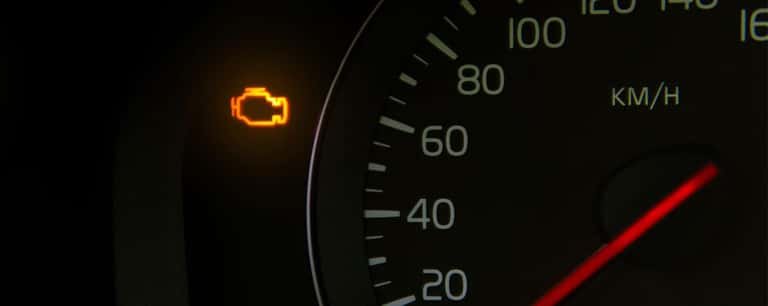
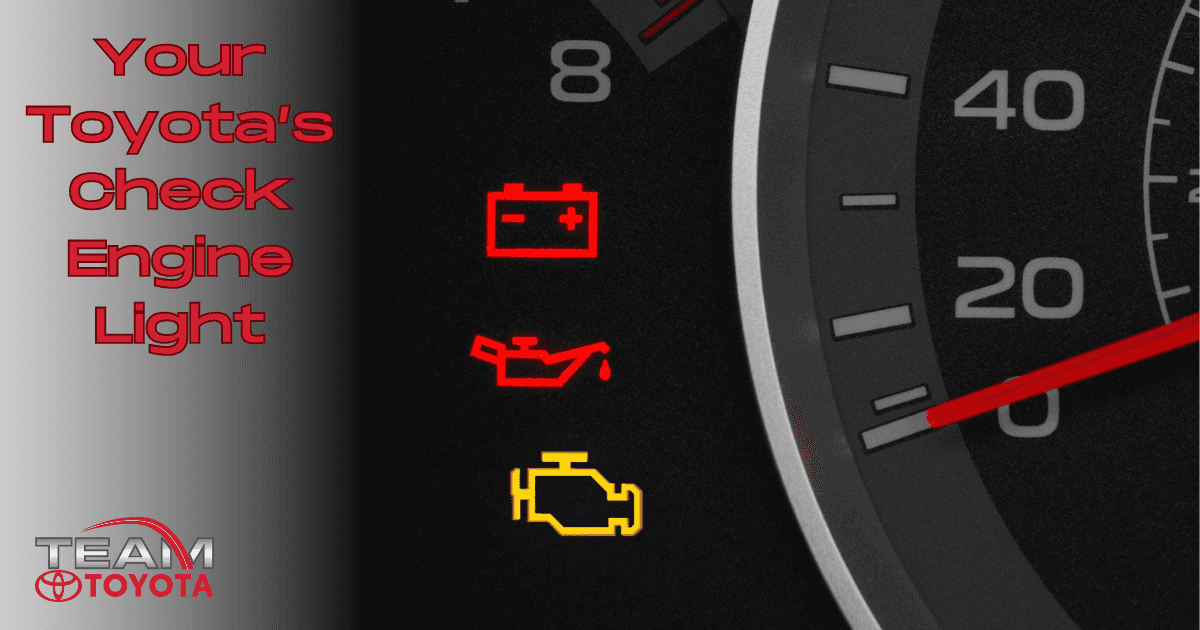
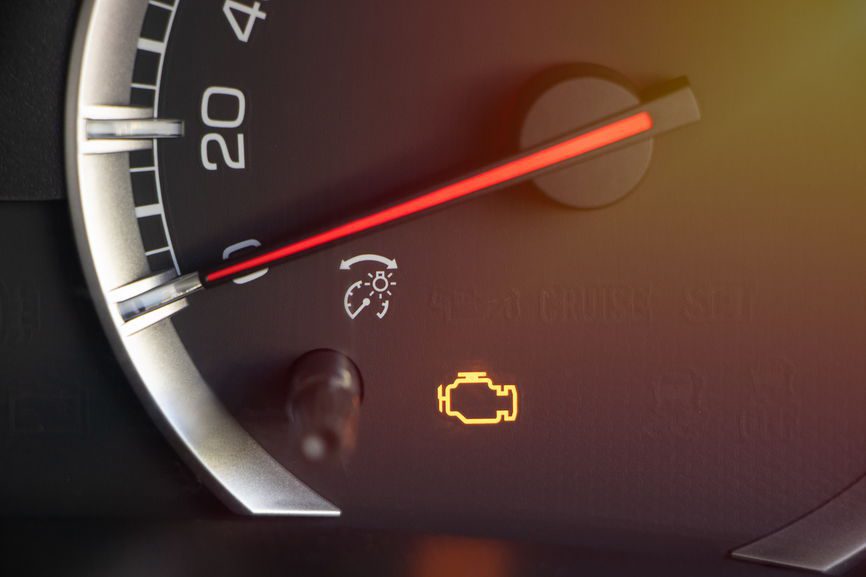
The check engine light is a yellow or orange symbol that looks like an engine. In most hybrids, it turns on when the car’s computer detects a problem with the engine, emissions system, or related sensors. This light is part of the On-Board Diagnostics (OBD) system, which monitors the car’s performance. While the symbol is familiar, the reasons it turns on in a hybrid can be different or more complex compared to regular gasoline cars.
A unique thing about hybrid cars is that they use both a gasoline engine and an electric motor. This means more components, more sensors, and sometimes more reasons for the check engine light to appear. The light can signal a minor issue, like a loose gas cap, or a bigger problem, such as a failing battery or engine misfire.
Common Reasons The Check Engine Light Comes On In Hybrids
Let’s look at some of the most frequent causes for the check engine light in hybrid cars:
1. Loose Or Damaged Gas Cap
The gas cap keeps fuel vapors from escaping. If it’s loose, cracked, or missing, it can cause a drop in fuel pressure, triggering the light. This is a simple fix but often overlooked.
2. Oxygen Sensor Failure
The oxygen sensor measures unburned oxygen in the exhaust. If it stops working, the car’s computer can’t adjust the air-fuel mix correctly. This can lower fuel efficiency and increase emissions.
3. Catalytic Converter Issues
The catalytic converter reduces harmful emissions. In hybrids, it works during both engine and electric driving. If it fails, the check engine light will turn on, and your car may not pass emissions tests.
4. Spark Plug Or Ignition Coil Problems
Worn spark plugs or faulty ignition coils can lead to misfires. In a hybrid, this is especially important because the engine may turn on and off more often, making spark plug health critical.
5. Mass Air Flow Sensor Malfunction
This sensor helps the computer decide how much fuel to inject based on air entering the engine. If it’s dirty or faulty, it can cause rough idling, stalling, or poor fuel economy.
6. Hybrid Battery Problems
Unlike regular cars, hybrids have a large high-voltage battery. If there’s a problem with the battery or its cooling system, the check engine light might come on alongside a “hybrid system warning.”
7. Exhaust Gas Recirculation (egr) Valve Issues
The EGR valve reduces emissions by recirculating some exhaust back into the engine. If it’s clogged or stuck, your hybrid may run poorly and trigger the warning light.
8. Faulty Sensors Or Wiring
With more electronics, hybrids rely heavily on sensors and wiring. Even a loose connector can cause the check engine light.
How Hybrid Check Engine Light Differs From Gasoline Cars
While the light looks the same, hybrid vehicles add extra layers of complexity. In a traditional car, the check engine light mostly signals engine or emissions issues. But in hybrids, it can mean:
- Problems with the engine, electric motor, or battery system
- Issues in the transition between gas and electric power
- Faults in the energy recovery system (regenerative braking)
Here’s a comparison to make it clearer:
| Aspect | Gasoline Car | Hybrid Car |
|---|---|---|
| Possible Causes | Mainly engine & emissions | Engine, emissions, battery, electric motor |
| Sensors | Fewer | More (engine + hybrid system) |
| Repair Complexity | Usually less complex | Often requires hybrid specialist |
Because of these differences, it’s important not to ignore the check engine light in a hybrid. Even a problem that seems minor can affect both the gasoline and electric systems.
What To Do When The Check Engine Light Comes On
Seeing this warning can be stressful, but taking the right steps can prevent bigger problems. Here’s what you should do:
- Check for Obvious Issues
- Make sure the gas cap is tight.
- Look for any strange noises, smells, or leaks.
- Note Any Changes in Performance
- Is the car running rough, losing power, or making unusual sounds?
- Is the light flashing? A flashing check engine light means a serious problem—stop driving and get help immediately.
- Drive Moderately
- If the car feels normal and the light is steady (not flashing), you can drive short distances. Avoid hard acceleration and heavy loads.
- Check Other Warning Lights
- Hybrids often have extra warning lights for the battery or hybrid system. If you see these, it’s best to stop driving and call for assistance.
- Scan for Trouble Codes
- Many auto parts stores or mechanics can read trouble codes for free or a small fee. These codes help identify the specific problem.
- Seek Professional Help
- For most hybrid issues, especially battery or electric motor problems, it’s best to visit a mechanic who understands hybrid systems.
The Importance Of Not Ignoring The Check Engine Light
Some drivers keep driving with the check engine light on, hoping it will go away. This can be a costly mistake—especially in hybrids. Here’s why:
- Minor issues can become major: A small sensor problem can lead to engine or battery damage.
- Hybrid systems are expensive: Ignoring warnings can damage the high-voltage battery or other key components.
- Emissions and inspection failure: If you live in a place with emissions testing, you may not pass with the light on.
- Warranty risks: Not fixing problems quickly can sometimes void your hybrid’s warranty.
Diagnosing Hybrid Check Engine Light: The Process
Fixing a hybrid car is not the same as fixing a regular car. Here’s how the process usually works:
1. Obd-ii Scan
A mechanic uses a diagnostic scanner to read the error codes stored in the car’s computer. These codes can point to the area of the problem.
2. Hybrid System Check
For hybrid-specific issues, a technician may need a special scanner that can check the battery and electric motor systems.
3. Component Testing
Mechanics may test sensors, check wiring, or inspect the battery cooling fans.
4. Test Drive
Sometimes, the car needs to be driven while hooked to diagnostic tools to find intermittent problems.
Here’s a simple comparison of the process for a gasoline vs. a hybrid car:
| Step | Gasoline Car | Hybrid Car |
|---|---|---|
| Scan Codes | Standard OBD-II scanner | OBD-II + hybrid-specific scan tools |
| Test Components | Engine and emissions | Engine, battery, electric motor, cooling system |
| Repair Expertise | Regular mechanic | Hybrid-trained technician |
Credit: www.westlieford.com
Costs And Typical Repairs
The cost to fix a check engine light problem in a hybrid can vary:
- Gas cap replacement: $10–$30
- Oxygen sensor: $100–$400
- Catalytic converter: $800–$2,500
- Hybrid battery issues: $1,500–$4,000 (sometimes more)
- General diagnostic fee: $50–$150
Some repairs are simple and cheap. Others, especially hybrid battery or electric motor problems, can be expensive. That’s why early diagnosis matters. If your car is still under warranty, repairs for the hybrid system may be covered, so always check before paying out of pocket.
Hybrid-specific Warning Lights Vs. Check Engine Light
Hybrids often have extra warning lights for the battery or hybrid system. Here’s how they differ:
| Warning Light | What It Means | Urgency |
|---|---|---|
| Check Engine Light | Engine or emissions problem (can include hybrid system) | Medium to high |
| Hybrid System Warning | Problem with battery or electric motor | High (stop car soon) |
| Battery Warning | Issue with high-voltage battery | High (service ASAP) |
If you see more than one warning light, or the car enters “limp mode” (reduced power), stop driving and get professional help.
Two Non-obvious Insights For Hybrid Owners
1. Check Engine Light Can Affect Electric Driving
Many people think the check engine light only affects the gasoline engine. In some hybrids, if the light is on, the car may limit or shut off electric-only driving. This is a safety measure to prevent further damage.
2. Battery Cooling System Is Critical
Hybrid batteries need to stay cool. If the cooling fan or air vents are blocked, it can trigger the check engine light. Cleaning or checking the battery cooling intake—usually under a rear seat or in the trunk—can prevent problems.
How To Prevent Check Engine Light Issues In Hybrids
- Regular Maintenance: Follow the service schedule for oil changes, spark plugs, and filters.
- Use Quality Fuel: Poor fuel can cause sensor and emissions problems.
- Keep Battery Vents Clean: Check the hybrid battery cooling vents often.
- Address Small Problems Quickly: Fixing a small issue now can prevent bigger, more expensive repairs later.
Credit: www.teamtoyotaohio.com
When To Seek Help From A Hybrid Specialist
Not all mechanics understand hybrid systems. For complex issues, it’s smart to find a mechanic trained in hybrid technology. Look for certifications or ask if they have experience with your hybrid model. Some repairs, like battery replacement, are best done by specialists for safety and warranty reasons.
You can find more information about hybrid car technology on the Wikipedia Hybrid Vehicle page.
Frequently Asked Questions
What Should I Do If My Hybrid Check Engine Light Is Flashing?
A flashing check engine light means a serious problem, such as a misfire that could damage the engine or hybrid system. Stop driving as soon as it’s safe, and call for roadside assistance or a tow.
Can I Drive My Hybrid With The Check Engine Light On?
If the light is steady and the car runs normally, you can drive short distances to a mechanic. Avoid long trips or heavy loads. If the car runs poorly or other warning lights are on, seek help right away.
Will The Check Engine Light Reset Itself?
If the problem is minor (like a loose gas cap), fixing the issue can sometimes make the light turn off after a few driving cycles. For other problems, the light stays on until the error is fixed and the computer is reset.
How Do I Read Hybrid Check Engine Codes?
You can use an OBD-II scanner to read basic codes. For hybrid-specific codes, you may need a more advanced scanner or visit a hybrid-trained mechanic.
What’s The Most Expensive Check Engine Light Repair In A Hybrid?
Hybrid battery replacement is usually the most costly, ranging from $1,500 to $4,000 or more, depending on the car and battery type.
Hybrid cars are reliable and efficient, but they have unique systems that need special care. Understanding what the check engine light means—and acting quickly—can help you avoid expensive repairs and keep your hybrid running smoothly for years.
Credit: www.crsautomotive.com