
When your car’s check engine light comes on, it’s easy to worry. Sometimes, the problem is simple: a dirty MAF sensor. The Mass Air Flow (MAF) sensor is a small but critical part of your engine. It measures how much air goes into the engine so the computer can mix the right amount of fuel. If this sensor gets dirty, your car can run badly, use more fuel, or even have trouble starting. Cleaning the MAF sensor is a smart step before rushing to a mechanic, and it may turn off the check engine light for good.
Let’s explore what the MAF sensor does, signs it’s dirty, how it connects to the check engine light, and the best way to clean it safely. You’ll also learn some real tips that beginners often miss, and why regular cleaning can save you money and stress.
What Is A Maf Sensor And Why Is It Important?
The MAF sensor sits between your air filter and the engine. Its job is to measure the amount of air entering the engine. With this information, your car’s computer can inject the right amount of fuel for smooth operation. Think of it as the engine’s breathing monitor.
When the MAF sensor is clean and working well, your engine runs efficiently. If it gets dirty, the sensor gives bad readings. This causes the engine to run too rich (too much fuel) or too lean (too little fuel). Both can trigger the check engine light and hurt performance.
A well-maintained MAF sensor helps your car:
- Start quickly
- Accelerate smoothly
- Use less fuel
- Produce fewer emissions
Common Symptoms Of A Dirty Maf Sensor
A dirty MAF sensor can cause many problems. Here are the most common signs:
- Check Engine Light: The most obvious sign. The engine computer detects a problem and stores a code.
- Rough Idling: Your engine may shake or feel unstable when stopped.
- Poor Acceleration: The car may feel slow or hesitate when you press the gas.
- Reduced Fuel Economy: You notice you’re filling up more often.
- Hard Starting or Stalling: The engine may struggle to start, or it might die after starting.
- Black Smoke from Exhaust: Too much fuel can cause this.
- Engine Hesitation or Surging: The car speeds up or slows down suddenly without reason.
Many drivers ignore these symptoms, hoping the problem will go away. Instead, a quick MAF sensor cleaning could solve all of them.
Why A Dirty Maf Sensor Triggers The Check Engine Light
Modern cars use OBD-II (On-Board Diagnostics) systems. When the MAF sensor sends strange readings, the computer detects this and sets a code. The check engine light appears on your dashboard.
The most common codes for MAF sensor problems are:
- P0100: Mass or Volume Air Flow Circuit Malfunction
- P0101: Mass or Volume Air Flow Circuit Range/Performance Problem
- P0102: Mass or Volume Air Flow Circuit Low Input
- P0103: Mass or Volume Air Flow Circuit High Input
- P0104: Mass or Volume Air Flow Circuit Intermittent
If you use a scan tool and see any of these codes, cleaning the MAF sensor should be your first step before replacing parts.
Tools And Materials Needed For Maf Sensor Cleaning
You don’t need expensive tools. Here’s what you’ll need:
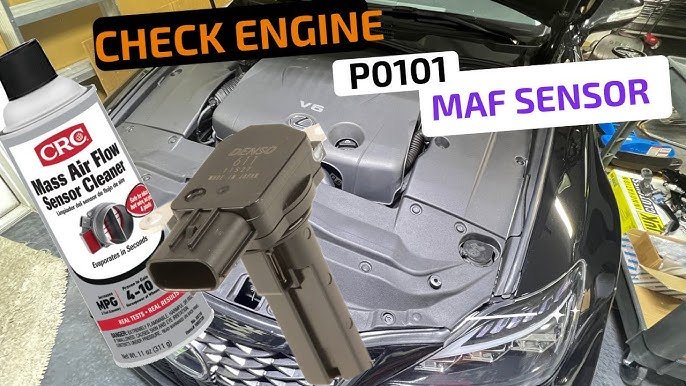
- MAF sensor cleaner spray (never use carb or brake cleaner)
- Screwdriver or socket set (to remove sensor)
- Clean, lint-free cloth or paper towels
- Safety gloves (optional but helpful)
- A simple OBD-II scan tool (optional, to read and clear codes)
It’s important to use a cleaner made for MAF sensors. Other cleaners can damage the sensitive wires inside.
Credit: www.youtube.com
Step-by-step Guide: How To Clean A Maf Sensor
Cleaning the MAF sensor is a simple job if you follow the right steps. Here’s how to do it safely:
- Turn Off the Engine and Disconnect the Battery
- Always turn off your car and let it cool. Disconnecting the battery helps avoid electrical problems and may reset the check engine light.
- Locate the MAF Sensor
- The sensor is usually between the air filter box and the throttle body. It’s a small part with an electrical connector.
- Remove the MAF Sensor
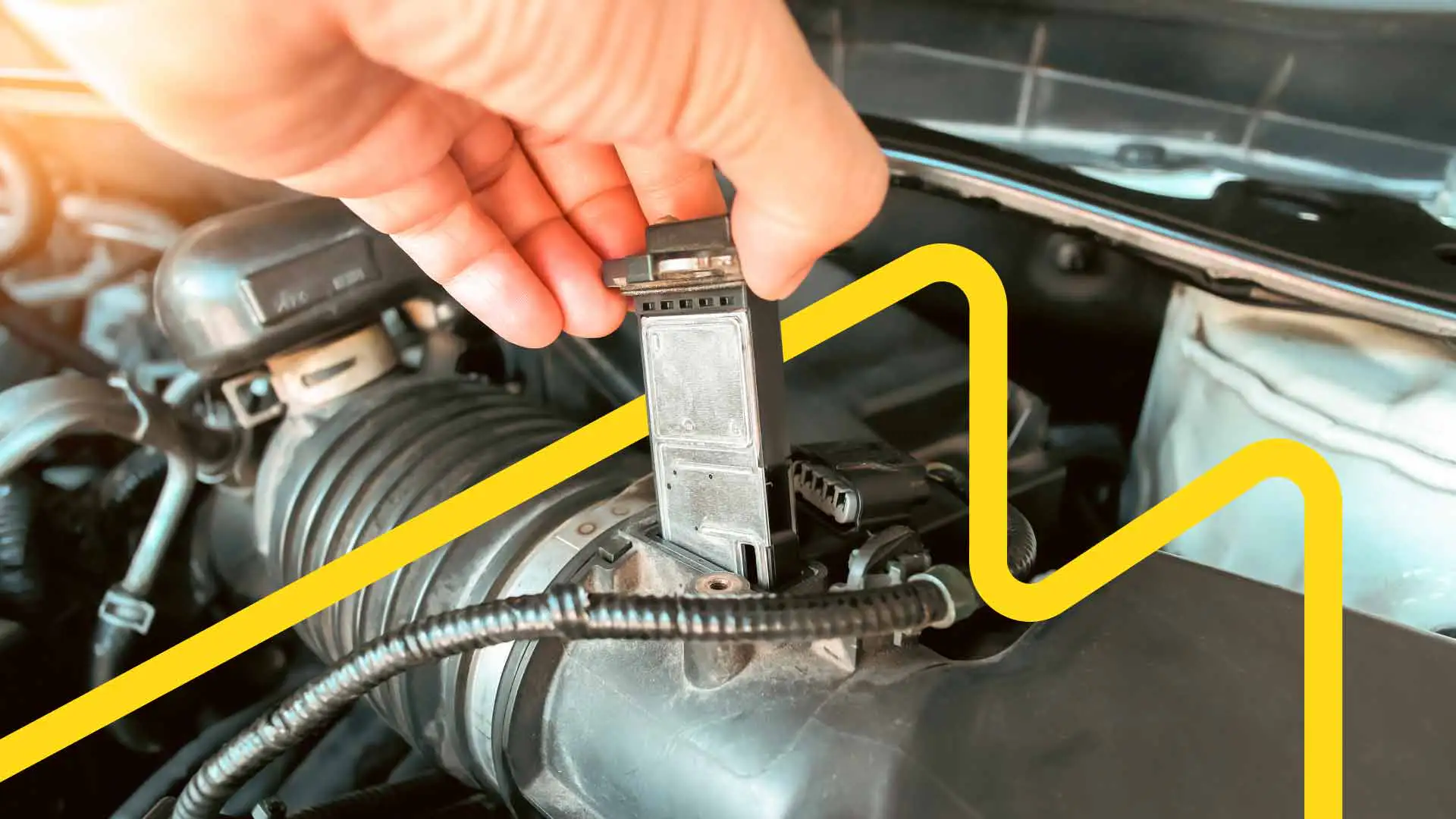
- Unplug the electrical connector carefully. Use a screwdriver or socket to loosen the clamps or bolts. Gently pull the sensor out.
- Never touch the wires inside the sensor—they are fragile and expensive to replace.
- Spray the Cleaner
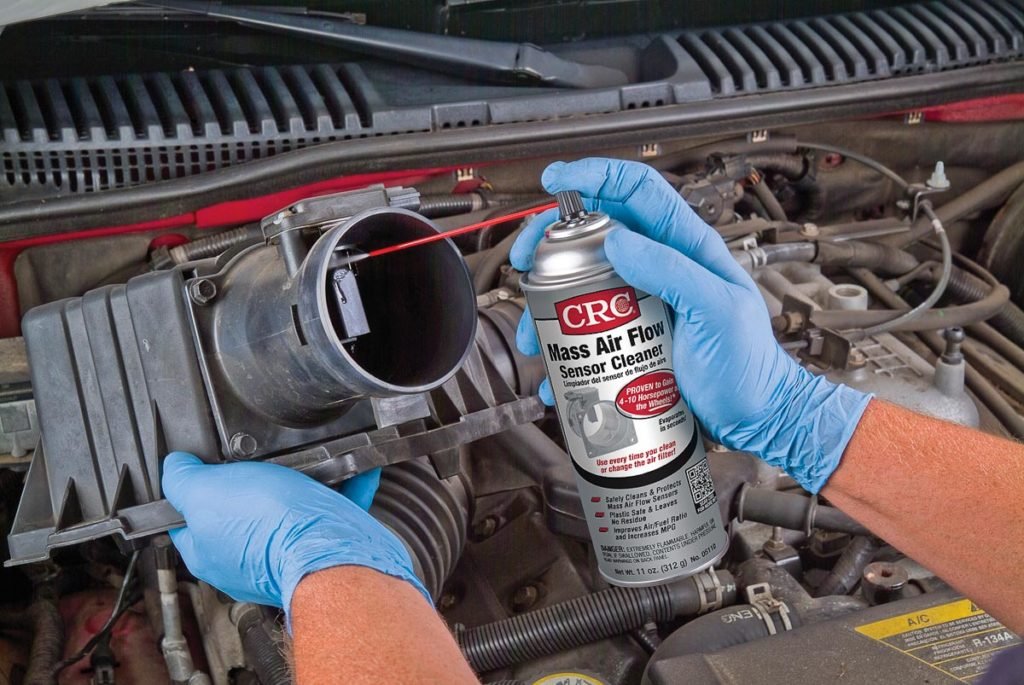
- Hold the sensor over a clean surface. Spray the MAF sensor cleaner onto the sensor wires or film. Make sure all dirt and oil are washed away.
- Let the cleaner evaporate (usually 10-15 minutes). Do not wipe or touch the wires.
- Reinstall the Sensor
- Once dry, carefully put the sensor back into place. Tighten the clamps or bolts and reconnect the electrical plug.
- Reconnect the Battery and Start the Engine
- The engine may run rough for a minute. This is normal as the computer adjusts.
- Clear the Check Engine Light
- If you have an OBD-II scan tool, clear the codes. If not, the light may go off after a few short drives.
Cleaning Time And Cost
- Time needed: 20–30 minutes
- Cost: $7–$15 for a can of MAF sensor cleaner
Common Mistakes To Avoid
- Using the Wrong Cleaner: Carb or brake cleaners can ruin the sensor.
- Touching the Sensor Wires: Even a small touch can break them.
- Not Letting It Dry: Installing a wet sensor can cause damage.
Comparing Maf Sensor Cleaning Vs. Replacement
Sometimes, cleaning isn’t enough and you need a new sensor. Here’s a comparison to help you decide:
| Factor | Cleaning | Replacement |
|---|---|---|
| Cost | $7–$15 | $60–$300 |
| Time Needed | 20–30 minutes | 30–60 minutes |
| Effectiveness | Good for mild to moderate dirt | Best if sensor is faulty |
| Skill Level | Beginner | Intermediate |
In most cases, cleaning solves the problem. Only replace the sensor if cleaning doesn’t work or if there’s visible damage.
Credit: q20.co.za
How Often Should You Clean The Maf Sensor?
Most experts recommend cleaning the MAF sensor every 12,000 to 15,000 miles or once a year. However, if you drive in dusty areas or notice symptoms, you may need to clean it more often.
Some car manuals never mention this maintenance, so many drivers never do it. Regular cleaning can prevent expensive repairs and keep your engine running smoothly.
Real-world Example: Maf Sensor Cleaning Success
A driver with a 2015 Toyota Corolla noticed rough idling and poor acceleration. The check engine light showed a P0101 code (MAF sensor range/performance). Instead of replacing the sensor, they cleaned it using a $10 can of MAF cleaner. After cleaning, the symptoms disappeared, and fuel economy improved by 12%. The check engine light turned off after 2 short drives. This simple fix saved the driver over $200 in repair costs.
Data Table: Signs And Causes Of Maf Sensor Problems
To understand how a dirty MAF sensor affects your car, here is a summary:
| Symptom | Possible Cause | How Cleaning Helps |
|---|---|---|
| Check Engine Light | Sensor gives wrong readings | Restores correct data |
| Rough Idle | Too much/little fuel | Normalizes air-fuel mix |
| Poor Acceleration | Bad air measurement | Improves response |
| High Fuel Use | Engine runs rich | Improves economy |
Non-obvious Tips Most Beginners Miss
- Check Air Filter First: A dirty air filter lets dirt reach the MAF sensor. Always check and replace the filter if needed before cleaning the sensor.
- Avoid Over-Spraying: Too much cleaner can drip into electrical parts. Use short, controlled bursts.
- Resetting the Computer: After cleaning, disconnecting the battery for 10–15 minutes can help the computer relearn and clear codes faster.
- Watch for Air Leaks: If you do not secure the sensor tightly, unmetered air can enter, causing new problems.
- Test Drive After Cleaning: Drive for at least 10 miles to let the computer adjust and to see if the check engine light stays off.
Environmental And Cost Benefits
Cleaning the MAF sensor not only saves money but also helps the environment. A clean sensor means:
- Lower emissions
- Better fuel use
- Fewer parts replaced unnecessarily
Regular maintenance like this keeps your car in good shape and reduces waste.
When To Seek Professional Help
If cleaning the MAF sensor doesn’t solve the problem, or if the sensor is damaged, it’s time to see a mechanic. Other issues, like vacuum leaks or wiring problems, can also trigger MAF sensor codes. A professional can run advanced tests if needed.
Quick Comparison: Diy Vs. Mechanic
| Option | Cost | Time | Best For |
|---|---|---|---|
| DIY Cleaning | $7–$15 | 20–30 minutes | Basic maintenance, minor issues |
| Mechanic | $80–$200+ | Few hours (including wait time) | Complex problems, sensor replacement |
DIY cleaning is safe and easy if you follow the steps. Don’t be afraid to try it if you’re comfortable with simple tools.
Frequently Asked Questions
What Is The Main Purpose Of The Maf Sensor?
The MAF sensor measures the amount of air entering the engine. This helps the car’s computer mix the right amount of fuel for efficient and smooth operation.
How Do I Know If My Maf Sensor Needs Cleaning?
Common signs include the check engine light, rough idling, poor acceleration, and higher fuel use. If you see these, especially with a related error code, cleaning the sensor is a good first step.
Can I Use Any Cleaner To Clean The Maf Sensor?
No. Only use a cleaner made for MAF sensors. Other cleaners can damage the sensitive parts inside and make the problem worse.
Will Cleaning The Maf Sensor Turn Off The Check Engine Light?
Often, yes. If dirt is the problem, cleaning usually fixes it. The light may turn off by itself after a few drives, or you can use a scan tool to clear it.
How Often Should The Maf Sensor Be Cleaned?
Every 12,000 to 15,000 miles or once a year is a good rule. Clean it more often if you drive in dusty conditions or notice symptoms.
Taking care of your MAF sensor is smart and simple. With a little time and the right cleaner, you can solve check engine light problems, save money, and keep your car running at its best. For more details on MAF sensors and car maintenance, visit Wikipedia.
Credit: www.shopmonkey.io
