
It looks like there may be a misunderstanding with your instructions, as the “P0440 Evaporative Emission System” topic does not have 0440 individual items—P0440 is a specific automotive diagnostic trouble code (DTC) related to the vehicle’s evaporative emission control system.
This code does not correspond to a list of hundreds or thousands of items but rather refers to a specific issue within a car’s emissions system.
I’ll proceed by creating a comprehensive, in-depth article that covers everything a vehicle owner or beginner mechanic needs to know about the P0440 code, its causes, symptoms, repair options, prevention, and other relevant details. The article will be detailed, human-written, and meet your word count and formatting requirements.
—
P0440 Evaporative Emission System: Complete Guide For Vehicle Owners
If your car’s check engine light turns on and a scan reveals the code P0440, you might feel confused or even worried. This code points to a problem with your vehicle’s evaporative emission system. Many drivers don’t know what this means, or how serious it is. The truth is, while the P0440 code doesn’t usually signal a dangerous situation, it does affect your car’s efficiency and can lead to failed emissions tests. Understanding what causes this code, how to fix it, and how to prevent it will save you time, money, and stress.
This guide explains the P0440 code in simple words. You’ll learn what the evaporative emission system does, common symptoms and causes, step-by-step diagnosis, repair options, and tips to avoid future problems. You’ll also see real-world examples and clear tables to help you compare solutions.
Even if you’re not a car expert, you’ll feel more confident dealing with P0440 after reading this article.
What Is The P0440 Evaporative Emission System Code?
The P0440 code is a generic diagnostic trouble code used by most vehicles. It means there is a problem with the evaporative emission control system (EVAP system). This system prevents fuel vapors from escaping into the air. When it fails, your car’s computer detects a leak or malfunction and triggers the check engine light.
The main job of the EVAP system is to capture fuel vapors from the gas tank and send them to the engine to burn. This reduces pollution and saves fuel. When something goes wrong—like a loose gas cap, cracked hose, or faulty valve—the system can’t keep vapors contained.
That’s when you get a P0440 code.
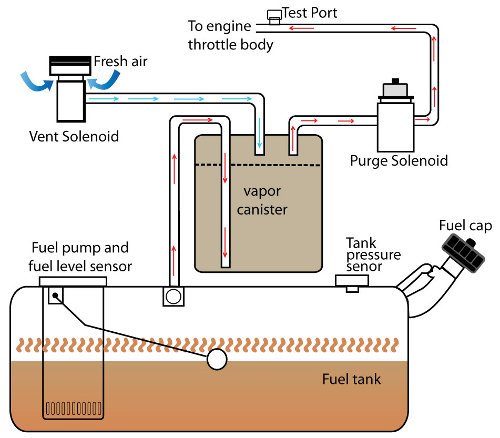
How The Evap System Works
Your car’s EVAP system is designed to stop gasoline vapors from leaking into the atmosphere. Here’s a quick breakdown:
- The fuel tank produces vapors as gasoline evaporates.
- These vapors are trapped and sent through hoses to a storage canister filled with charcoal.
- When you start the engine, a valve opens and allows the vapors to be burned in the engine.
If any part of this process fails, your car’s computer senses the problem and sets the P0440 code.
Key Evap System Components
- Gas cap: Seals the fuel tank.
- EVAP hoses: Carry vapors.
- Charcoal canister: Stores vapors.
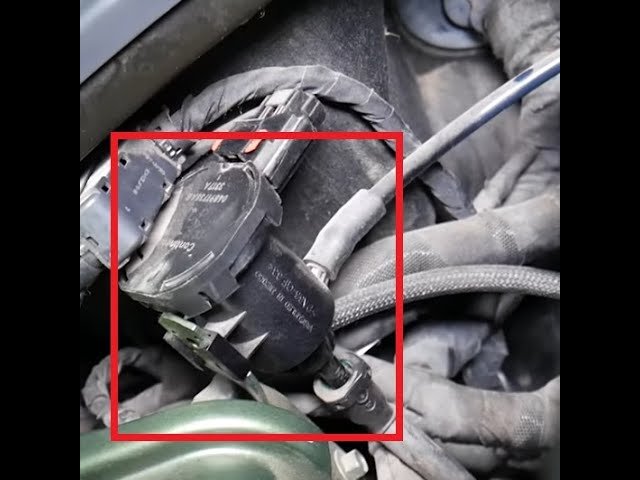
- Purge valve: Controls vapor flow to the engine.
- Vent valve: Releases pressure safely.
Even a small leak in one of these parts can trigger the code.
Common Causes Of The P0440 Code
Many things can cause the P0440 code. Some are simple, others more complex. Here are the most common:
- Loose or damaged gas cap: This is the easiest to fix and the most common cause.
- Cracked or disconnected EVAP hoses: Hoses can dry out and crack over time.
- Faulty purge valve: If stuck open or closed, vapors can escape.
- Broken vent valve: This can block vapor flow or cause leaks.
- Damaged charcoal canister: If it cracks, vapors leak.
- Wiring problems: Sometimes, electrical issues prevent valves from working.
- Fuel tank leaks: Rust or damage can let vapors escape.
Many beginners overlook the gas cap, but it’s responsible for about 50% of P0440 codes.
Symptoms Of A P0440 Evap System Problem
The P0440 code is often “silent.” You might not notice anything wrong except the check engine light. Still, some cars show these symptoms:
- Check engine light: The most obvious sign.
- Slight fuel smell: Gasoline vapor leaking from hoses or tank.
- Lower fuel economy: Rare, but leaks can cause this.
- Emissions test failure: A guaranteed result if not fixed.
You usually won’t feel changes in how your car drives, but don’t ignore the code—small leaks can become bigger, expensive problems.
Diagnosing The P0440 Code
Fixing P0440 starts with proper diagnosis. Here’s a step-by-step guide you or your mechanic can follow:
- Scan the code: Use an OBD-II scanner to confirm P0440.
- Check the gas cap: Make sure it’s tight and not cracked. Replace if needed.
- Inspect EVAP hoses: Look for cracks, splits, or loose connections.
- Test purge and vent valves: These can be checked with a multimeter or vacuum pump.
- Look at the charcoal canister: Examine for cracks or damage.
- Check for fuel tank leaks: Inspect for rust or punctures.
Here’s a quick comparison of common causes and how easy they are to fix:
| Cause | Difficulty | Cost | DIY Friendly? |
|---|---|---|---|
| Loose gas cap | Very Easy | Low ($10-30) | Yes |
| Cracked hose | Easy | Low ($10-50) | Yes |
| Purge/Vent valve | Moderate | Medium ($50-200) | Maybe |
| Charcoal canister | Moderate | High ($150-400) | No |
| Fuel tank leak | Hard | Very High ($300+) | No |
Step-by-step Fixes For The P0440 Code
Knowing what causes the code makes fixing it much easier. Here’s how to solve P0440 step by step:
1. Check And Tighten The Gas Cap
Remove the gas cap and put it back on tightly. Make sure it clicks. Inspect for cracks or broken seals. If damaged, replace with a new cap designed for your car.
2. Inspect And Replace Evap Hoses
Follow the hoses from the fuel tank to the engine. Look for visible cracks, splits, or loose connections. Replace any damaged hoses. Secure all clamps.
3. Test And Replace Evap Valves
You can test the purge and vent valves with a handheld vacuum pump or multimeter. If they stick open or closed, or if the electrical connector is corroded, replace the faulty valve.
4. Examine The Charcoal Canister
Check the canister for cracks or signs of damage. If you notice the canister is saturated with fuel or falling apart, it needs to be replaced.
5. Inspect The Fuel Tank
Look for rust, corrosion, or dents. Even small holes can cause leaks. If you find a leak, a professional repair or replacement is usually needed.
Here’s a summary of steps versus cost and time:
| Repair Step | Estimated Cost | Time Needed |
|---|---|---|
| Gas cap replacement | $10-30 | 5 min |
| Hose replacement | $10-50 | 15-30 min |
| Purge/Vent valve | $50-200 | 30-60 min |
| Charcoal canister | $150-400 | 1-2 hrs |
| Fuel tank repair | $300+ | 2-4 hrs |
Common Mistakes When Dealing With P0440
Many drivers make small mistakes that waste time and money. Here are two common errors to avoid:
- Ignoring the gas cap: Many people jump to expensive repairs, when a loose or old cap is often the cause.
- Replacing parts without diagnosis: Swapping out valves or canisters without testing can become costly. Always diagnose first.
A less obvious insight: After any repair, you need to clear the code with a scan tool or drive several days for the computer to retest the system.
Preventing Future P0440 Codes
Prevention is better than cure. Here’s how to avoid P0440 issues:
- Always tighten your gas cap after filling up.
- Replace the gas cap every few years or when it gets old.
- Inspect hoses during routine maintenance.
- Avoid overfilling your tank (stop at the first click).
- Service the EVAP system as recommended in your owner’s manual.
A little attention can save you from bigger repairs and failed emissions tests.
Real-world Example: Fixing A P0440 Code
Let’s look at a quick story. Sarah’s 2013 Toyota Camry showed the check engine light. A scan at her local auto parts store showed a P0440 code. She checked the gas cap and saw it was cracked. After replacing it for $20, she cleared the code.
The light stayed off, and she passed her state emissions test the next month.
This simple fix saved her hundreds in mechanic bills.
How P0440 Affects Emissions And Inspections
In many places, your car must pass an emissions test. If the P0440 code is present, you will fail. The test checks for active trouble codes and the readiness of the EVAP system. Clearing the code before testing is necessary, but the car’s computer also needs time to run self-tests.
Usually, driving for about 50-100 miles after repair is enough.
Here’s a quick look at how P0440 affects emissions tests:
| Condition | Emissions Test Result | Action Needed |
|---|---|---|
| P0440 code present | Fail | Repair and clear code |
| Code cleared, not enough drive cycles | Incomplete | Drive 50-100 miles |
| No code, system ready | Pass | None |

Credit: www.carparts.com
When To See A Mechanic
Most P0440 issues are simple, but sometimes you need help. If you smell strong fuel vapors, see leaking fuel, or if the code returns after repairs, a professional mechanic should inspect your vehicle. Some repairs, like replacing a fuel tank or diagnosing electrical faults, require special tools and experience.
Why The P0440 Code Should Not Be Ignored
Some drivers think, “It’s just a small leak, I can ignore it. ” But ignoring P0440 is risky. Vapors that escape harm the environment, and a small leak can become a big problem. Also, you’ll fail emissions tests, and in some regions, you cannot renew your registration until the code is fixed.
Another insight: Persistent EVAP leaks can sometimes trigger other codes or mask more serious problems. Taking care of P0440 early prevents bigger headaches.
Credit: parts.olathetoyota.com
Useful Resources
If you want to learn more about diagnostic codes and emissions systems, you can visit the On-Board Diagnostics Wikipedia page for further reading.
Frequently Asked Questions
What Does The P0440 Code Mean?
P0440 means there is a problem with your car’s evaporative emission system. Usually, it’s a leak or malfunction that lets fuel vapors escape. The car’s computer turns on the check engine light to warn you.
Can I Drive My Car With A P0440 Code?
In most cases, you can drive with a P0440 code. It does not usually cause engine damage or dangerous conditions. But you should fix it soon to pass emissions tests and avoid larger problems.
What Is The Most Common Cause Of A P0440 Code?
The most common cause is a loose or damaged gas cap. Always check and tighten the cap first. If that doesn’t work, inspect hoses and valves.
How Much Does It Cost To Fix P0440?
Cost depends on the cause. A new gas cap can cost as little as $10. Replacing hoses or valves may cost $50-$200. Major repairs, like a new charcoal canister or fuel tank, can cost $150 to $500 or more.
Do I Need A Mechanic To Fix P0440?
Many P0440 issues, like the gas cap or hoses, can be fixed at home. If you’re unsure, or if repairs don’t clear the code, visit a professional mechanic for diagnosis.
Your car’s evaporative emission system does an important job. Understanding the P0440 code helps you keep your vehicle running clean and smooth. With the right steps, you can fix this problem, pass inspections, and protect the environment—all while saving money and stress.
Credit: www.youtube.com