
If your check engine light turns on and your scanner shows Pending OBD2 Codes, do not panic. A pending code is not the same as a full fault code. It usually means the car’s computer saw a problem, but it wants to confirm the issue before turning it into a real warning.
This is useful because many car problems start small. A loose gas cap, a weak ignition coil, or a sensor that gives one bad reading can all create a pending code first. Sometimes the problem goes away. Sometimes it gets worse. Knowing the difference can save time, money, and stress.
In this guide, you will learn what pending codes mean, why they appear, which causes are common, how to diagnose them, and when you should fix the issue right away. You will also learn a few things many beginners miss, like why a pending code can come and go after a single drive cycle and why clearing it too early can hide a real problem.
What pending OBD2 codes really mean
Pending OBD2 codes are early warning codes stored by the engine computer. They tell you that the vehicle detected a problem during one drive cycle, but the problem has not happened enough times yet to become a confirmed diagnostic trouble code, also called a DTC.
Think of a pending code as a warning flag, not a final decision. The computer is saying, “I saw something unusual, and I want to watch it again.” If the same issue shows up on the next drive or meets the failure rules in the system, the code may become a stored or confirmed code and may turn on the check engine light.
This process helps reduce false alarms. Cars are exposed to heat, cold, vibration, rain, fuel changes, and short trips. A single bad reading does not always mean a real repair is needed. The pending system gives the vehicle a chance to double-check the fault.
How pending codes differ from stored codes
Pending codes are usually temporary. Stored or confirmed codes mean the issue has passed the computer’s fault threshold. In many cases, a confirmed code will also trigger the check engine light, while a pending code may not.
| Code type | What it means | Check engine light | Action level |
|---|---|---|---|
| Pending code | Problem seen once or not enough times yet | May be off | Watch and diagnose |
| Stored/confirmed code | Problem repeated and was verified | Usually on | Repair soon |
| Permanent code | Code remains until the system passes certain checks | May stay on or off | Needs proper fix and drive cycles |
One important detail many drivers miss is that a pending code can disappear on its own if the fault does not repeat. That does not always mean nothing is wrong. It may only mean the problem is still early, rare, or hard to catch.
Why vehicles create pending codes
Your car’s computer monitors many systems all the time. It checks sensors, fuel trim, ignition timing, emissions parts, and airflow. When one reading goes outside the normal range, the computer may store a pending code.
These codes are common after cold starts, short trips, heavy rain, battery issues, or fuel system changes. The computer is not guessing. It is reacting to data that looks unusual compared with expected values.
Common causes behind pending OBD2 codes
- Loose or damaged gas cap – This can create an EVAP-related pending code because the fuel system cannot hold pressure properly.
- Weak ignition coil or spark plug – A small misfire may only happen under certain conditions, so the code starts as pending.
- Dirty or failing oxygen sensor – The sensor may send slow or unstable readings before it fully fails.
- Mass air flow sensor problems – Incorrect airflow data can affect fuel mixture and trigger early fault detection.
- Vacuum leaks – Extra air entering the engine can confuse fuel trim readings and create intermittent codes.
- Fuel pressure issues – A weak fuel pump, clogged filter, or bad regulator can cause lean or rich readings.
- Battery or charging system trouble – Low voltage can cause sensor errors and strange computer behavior.
- Intermittent wiring faults – Broken wires, loose connectors, or corrosion can create one-time failures.
Two less obvious causes are worth knowing. First, short trips can prevent the engine from reaching normal operating conditions, which can make the computer record strange readings that look like faults. Second, a car with recent battery replacement can show pending codes because some monitors have not completed their tests yet.
How to read a pending code correctly
If you scan the car and see a pending code, do not stop at the code number alone. You need the full context. The same code can mean a small issue on one car and a serious fault on another.
Start by checking the code, then look at freeze frame data if your scanner supports it. Freeze frame shows engine conditions when the fault was detected, such as RPM, coolant temperature, speed, load, and fuel trim. This is often where the real clue is hiding.
Credit: vehiclefreak.com
What to look at first
- Code number – Identify the exact system involved.
- Freeze frame data – See when and how the issue happened.
- Live data – Check sensor readings while the engine runs.
- Drive pattern – Notice whether the fault happens cold, warm, idle, or under load.
For example, a pending P0301 code points to a possible misfire on cylinder 1. That could be a spark plug, coil, injector, wiring issue, or even a vacuum leak affecting that cylinder. The code is only the starting point. The data around it is what helps narrow the cause.
Are pending OBD2 codes serious?
Sometimes yes, sometimes no. A pending code can be very minor, like a gas cap issue. It can also be the first sign of a problem that will get worse, such as a misfire or fuel trim fault. The key is not the code itself, but the pattern behind it.
If the car drives normally and the code appears once, you may have time to watch it. If the car runs rough, loses power, smells like fuel, shakes at idle, or has poor fuel economy, you should treat the code as urgent even if it is still pending.
A good rule is this: if the vehicle shows symptoms, do not wait for the code to become confirmed. The computer is already telling you something is not right.
When you should act fast
- The engine is misfiring or shaking.
- The car is hard to start.
- Fuel smell is strong near the car or exhaust.
- Power drops during acceleration.
- The check engine light starts flashing.
- The same pending code returns after every drive.
A flashing check engine light is different from a pending code. Flashing usually means a severe misfire that can damage the catalytic converter. In that case, stop driving hard and diagnose it immediately.
How to fix pending OBD2 codes step by step
The right repair depends on the code, but a smart diagnostic process is the same for most vehicles. Do not replace parts blindly. A pending code often points to a system, not a single failed part.
1. Check the exact code and freeze frame
Write down the code and look at the snapshot data. Ask simple questions. Was the engine cold or warm? Was the car idling or under load? Was fuel trim high? These details matter more than most people realize.
2. Inspect the obvious items first
Look for loose hoses, cracked intake tubes, a loose gas cap, unplugged connectors, broken vacuum lines, oil leaks near sensors, and corroded terminals. Many pending codes are caused by simple issues that can be seen in minutes.
3. Check for symptoms during a test drive
Drive the vehicle under the same conditions shown in the freeze frame. If the code appeared at highway speed, repeat highway driving. If it appeared at idle, let the engine idle and watch live data. This is one of the best ways to reproduce intermittent faults.
4. Use live data to narrow the fault
Look at fuel trims, oxygen sensor movement, coolant temperature, airflow readings, and misfire counters. A high positive fuel trim often means the engine is running lean. A very negative trim can mean it is running rich. This tells you where to look next.
5. Repair the likely cause, not the code alone
For example, if you have an EVAP-related pending code and a loose gas cap, fix the cap first. If you have a misfire pending code and one coil shows weak spark, test the coil and plug before buying random parts.
6. Clear the code only after checking the cause
Clearing the code without diagnosis can erase useful data. If the problem returns, you may have lost the clues needed to find it. Clearing is best used after repair, not before diagnosis.
Common fixes by system
- EVAP codes – Tighten or replace the gas cap, inspect purge valve and hoses.
- Misfire codes – Replace worn spark plugs, test coils, inspect injectors.
- Lean codes – Check for vacuum leaks, low fuel pressure, dirty MAF sensor.
- Rich codes – Check leaking injectors, bad sensors, restricted air intake.
- Sensor codes – Inspect wiring, connectors, grounds, and sensor health.
What not to do when you see a pending code
Many drivers make the same mistakes. The biggest one is replacing parts too early. A code like P0171 or P0300 can lead people to buy sensors, coils, or fuel pumps without testing. That gets expensive fast.
Another mistake is ignoring the code because the light is not on yet. Pending codes are early warnings. They may vanish, but they may also become confirmed after one more drive cycle. Waiting too long can turn a small repair into a bigger one.
Do not clear the code and assume the problem is fixed. If the real fault is still present, the code will return. Worse, you lose the freeze frame and the chance to learn when the problem happens.
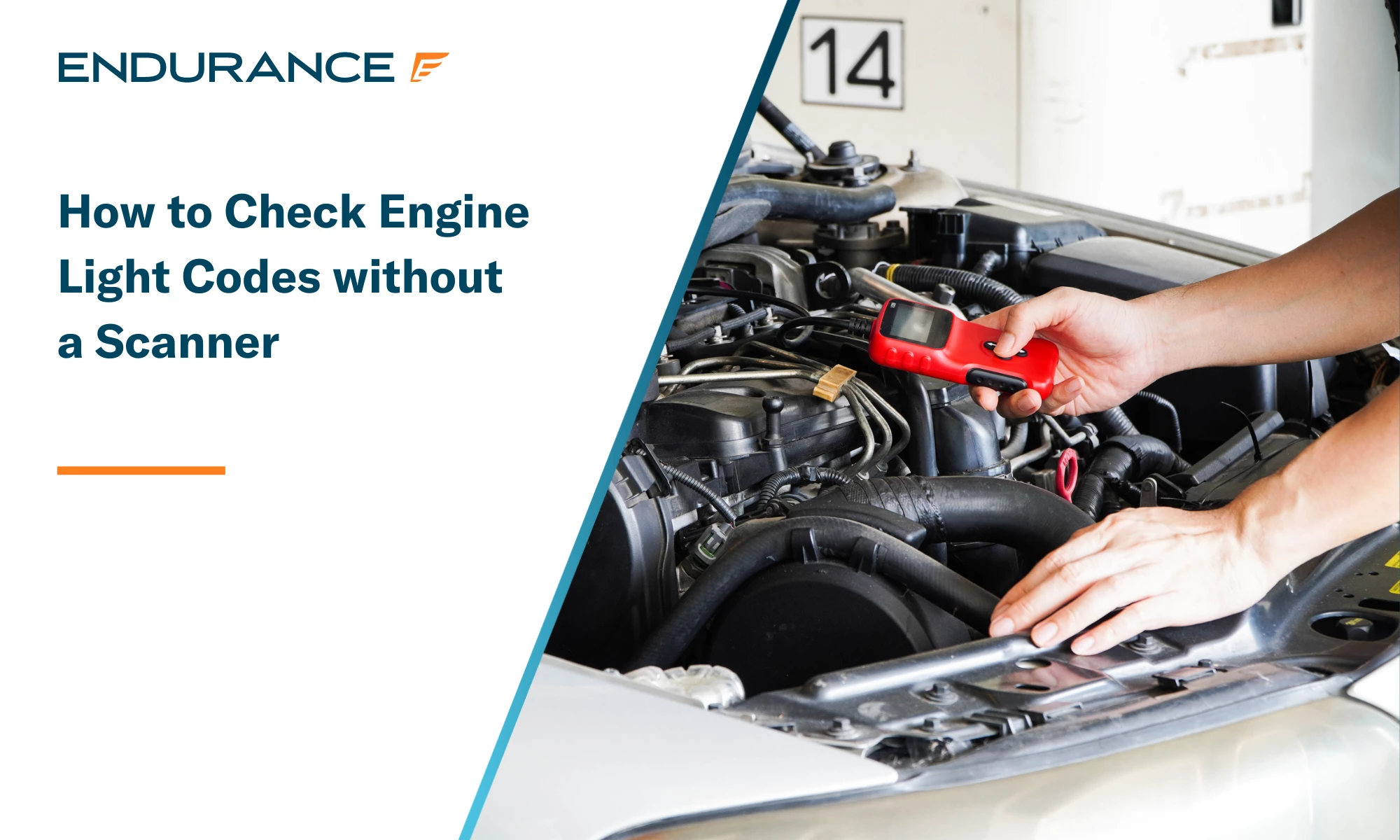
One more hidden mistake is using the wrong scanner. Some cheap tools show only basic data and may miss important details like manufacturer-specific codes or live sensor patterns. A better scanner can save hours of guessing.
Credit: carobjective.com
How pending codes affect emissions testing
This is an area many drivers overlook. In many places, a vehicle will not pass emissions inspection if readiness monitors are incomplete or if codes recently appeared. Even if the check engine light is off, a recent pending code may matter during inspection.
If you recently cleared codes, the monitors may need time and proper driving conditions to reset. That means a car can look fine on the dash but still fail a test. Before inspection, drive the car normally for several days and recheck readiness status.
For official emissions information and driving rules, your local testing authority is the best source. In the United States, the EPA is a helpful place to start for general emissions guidance.
How to prevent pending codes from coming back
You cannot prevent every code, but good maintenance reduces the chance of repeat issues. Keep the battery healthy, replace spark plugs on schedule, use clean fuel, and fix small vacuum leaks early. These simple habits help the engine computer get stable readings.
Also pay attention after repairs. If a code returns right after service, the issue may be a loose connector, damaged hose, or missed step. That is why a careful post-repair check matters. A quick test drive after maintenance can catch problems before they become repeat codes.
One practical tip: keep a small log of pending codes, dates, weather, and driving conditions. This sounds basic, but it often reveals a pattern. For example, if the code appears only on cold mornings, the cause may be moisture, a weak sensor, or a start-up fuel issue.
Credit: carobjective.com
The smartest way to think about pending OBD2 codes
Pending OBD2 Codes are not random warnings. They are the car computer’s way of saying, “I noticed something, but I need more proof.” That is why they deserve attention, even when the check engine light is still off.
If the code is minor and the car runs well, you may have time to monitor it. If the car has symptoms, assume the issue is real and start diagnosing right away. The best approach is calm, not careless. Check the code, read the data, inspect the obvious parts, and test the system before buying anything.
In many cases, the fix is simple. In other cases, the pending code is the first clue to a bigger problem. Either way, acting early is almost always cheaper than waiting for the fault to get worse.
FAQs
1. Can a pending OBD2 code turn off by itself?
Yes. If the problem does not happen again, the code may disappear after several drive cycles. But that does not always mean the issue is gone. It may just be intermittent.
2. Will a pending code fail emissions testing?
It depends on local rules and monitor status. A pending code may not always fail a test by itself, but recent faults or incomplete readiness monitors can cause problems during inspection.
3. Should I clear a pending code right away?
Not usually. It is better to check freeze frame data and inspect the cause first. Clearing too early can remove helpful clues and make diagnosis harder.
4. Can a loose gas cap really cause a pending code?
Yes. A loose, worn, or damaged gas cap is one of the most common reasons for EVAP-related pending codes. It is an easy item to check first.
5. Do pending codes always mean a part is bad?
No. They can also be caused by low battery voltage, temporary sensor errors, short trips, or wiring issues. That is why testing is better than guessing.