
If your car suddenly shows a warning light or starts acting strange, it can be stressful. One common problem in modern cars is the VVT solenoid code. If you see this code on your scanner, it means your vehicle’s variable valve timing system is not working as it should. Many drivers panic, thinking it’s a big engine failure. In reality, understanding the symptoms and knowing how to fix the VVT solenoid can save you money and help your car run smoother.
This guide explains everything you need to know about VVT solenoid code symptoms and fixes. You will learn how to spot the signs early, what causes the problem, and how to repair it. We will use easy language, real examples, and practical advice. By the end, you will feel confident about handling this issue, whether you want to fix it yourself or talk to a mechanic.
What Is A Vvt Solenoid?
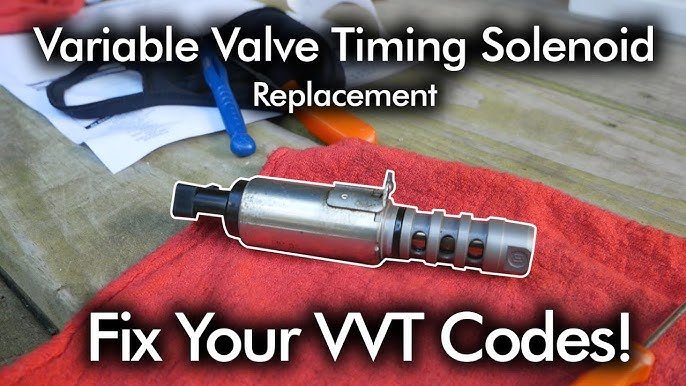
The VVT solenoid is part of the variable valve timing system in modern engines. This system helps your engine adjust the timing of the valves, making it more efficient. When you drive fast or slow, the VVT system changes how the engine works to save fuel and give you better power.
The solenoid is an electronic valve. It controls the flow of oil to the VVT system. When the solenoid works well, your car gets good fuel economy, better performance, and fewer emissions. If the solenoid fails, your engine can’t adjust properly, causing problems.
Common Vvt Solenoid Code Symptoms
If your car’s computer detects a problem with the VVT solenoid, it will set a code like P0010, P0011, P0012, or similar. Here are the main symptoms you will notice:
1. Check Engine Light
The most obvious sign is the check engine light. This warning shows up on your dashboard. When you scan the code, you may see something like P0010 or P0011. These codes mean the VVT system is not working correctly.
2. Rough Idle
If the VVT solenoid fails, your engine may run rough when stopped. It may shake, vibrate, or sound uneven. Sometimes, the idle speed goes up and down.
3. Poor Acceleration
You may notice your car feels slow when you try to speed up. The engine may hesitate or lack power, especially when merging onto highways or climbing hills.
4. Decreased Fuel Economy
A bad VVT solenoid can cause your car to use more fuel. You might notice you need to fill up the tank more often.
5. Engine Stalling
In some cases, the engine may stall, especially when idling or coming to a stop. This is dangerous and needs immediate attention.
6. Increased Emissions
If your car fails an emissions test, it could be due to a faulty VVT solenoid. The engine can’t control emissions properly without it.
7. Unusual Engine Noises
You might hear ticking, knocking, or rattling sounds from the engine. These noises happen because the timing is off.
8. Hard Starting
Sometimes, the engine takes longer to start or needs several tries. This is caused by incorrect valve timing.
9. Reduced Engine Performance
Overall, the car feels less responsive. You may notice sluggish performance or a lack of engine power.
Here is a simple table to compare these symptoms:
| Symptom | How Often It Happens | Danger Level |
|---|---|---|
| Check Engine Light | Always | Low |
| Rough Idle | Often | Medium |
| Poor Acceleration | Often | Medium |
| Decreased Fuel Economy | Sometimes | Low |
| Engine Stalling | Sometimes | High |
| Increased Emissions | Sometimes | Low |
| Unusual Engine Noises | Rare | Medium |
| Hard Starting | Rare | Medium |
| Reduced Engine Performance | Often | Medium |
Credit: www.youtube.com
Causes Of Vvt Solenoid Failure
To fix the problem, you must know what causes it. Here are the main reasons a VVT solenoid can fail:
1. Dirty Or Old Engine Oil
The solenoid needs clean oil to work. If you skip oil changes or use the wrong oil, dirt and sludge can block the solenoid.
2. Electrical Problems
Sometimes, the solenoid’s wiring or connector gets damaged. This can stop the solenoid from working.
3. Faulty Solenoid
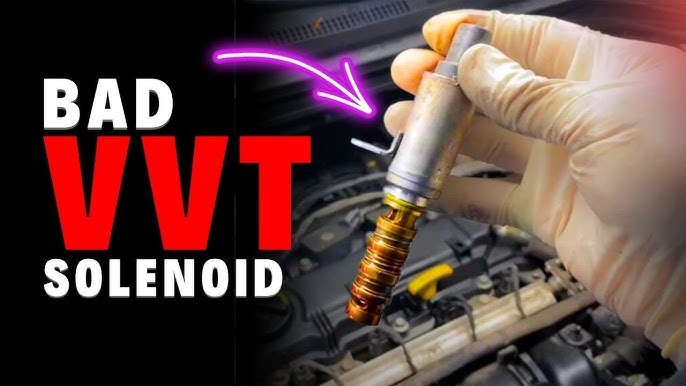
Over time, the solenoid itself can wear out. Its internal parts may get stuck or break.
4. Oil Pressure Issues
Low oil pressure can prevent the solenoid from moving. This is often caused by a failing oil pump or blocked oil passages.
5. Clogged Oil Passages
If the oil passages are blocked, oil can’t reach the solenoid. This is a common problem in older engines.
6. Computer Issues
Rarely, the engine control unit (ECU) may fail to send the right signals. This can cause VVT problems.
Here is a comparison table of causes and how to spot them:
| Cause | Main Symptom | How to Check |
|---|---|---|
| Dirty Oil | Rough idle, engine noise | Check oil color and change history |
| Electrical Fault | Check engine light, poor acceleration | Inspect wiring and connectors |
| Faulty Solenoid | Check engine light, stalling | Test solenoid with multimeter |
| Low Oil Pressure | Engine noise, stalling | Check oil pressure with gauge |
| Clogged Passages | Reduced performance | Inspect oil passages during repair |
| ECU Issues | Multiple symptoms | Scan with advanced diagnostic tool |
How To Fix Vvt Solenoid Code
Fixing the VVT solenoid code can be easy or complex, depending on the cause. Here are the practical steps to solve it:
Step 1: Scan The Code
First, use an OBD-II scanner to read the exact code. Codes like P0010, P0011, P0012 point to VVT problems. Record the code and check what it means.
Step 2: Inspect Engine Oil
Check your engine oil. If it is dirty, thick, or smells burnt, change it right away. Use the oil recommended by your car’s manufacturer. Clean oil can fix many VVT issues.
Step 3: Check The Solenoid
Find the VVT solenoid in your engine. It is usually near the top of the engine, close to the timing cover. Unplug the connector and inspect for damage. Remove the solenoid and check for dirt or clogging.
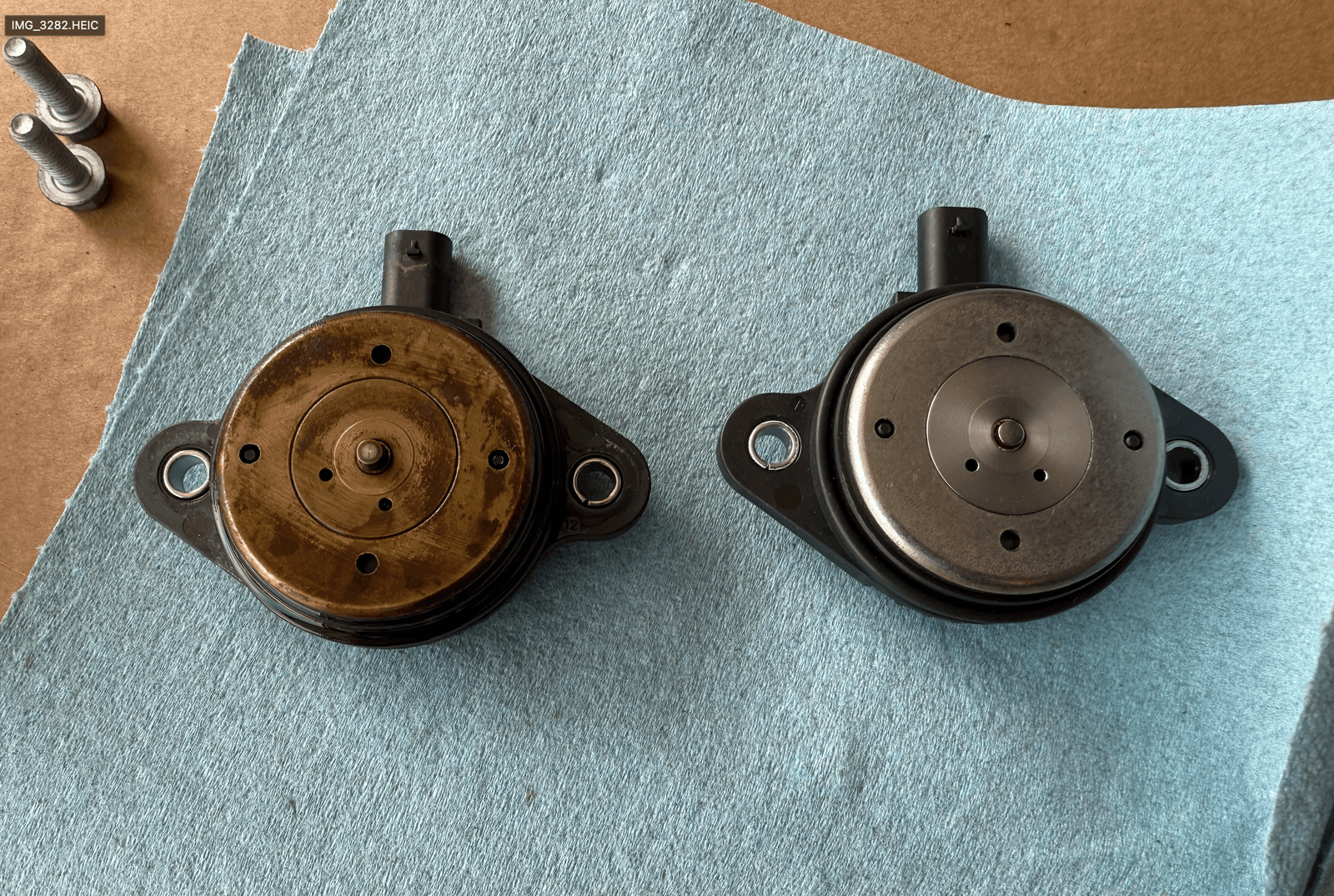
Step 4: Clean Or Replace The Solenoid
If the solenoid is dirty, clean it with a safe cleaner. If it is damaged or not working, replace it. Most solenoids cost between $50 and $150. Changing it is often simple and takes about 30 minutes.
Step 5: Inspect Wiring And Connectors
Look at the wires and connectors. Make sure they are clean, dry, and not broken. Repair or replace any damaged parts.
Step 6: Reset The Code
After fixing the issue, use the scanner to reset the code. Drive the car and see if the light comes back.
Step 7: Test Drive
Drive the car for at least 20 minutes. Check if the engine runs smooth, the light stays off, and performance improves.
Step 8: Advanced Checks (if Needed)
If the problem returns, check oil pressure, oil passages, and the ECU. You may need a mechanic for deeper diagnostics.
Here is a summary table of fix steps:
| Step | Tools Needed | Average Cost |
|---|---|---|
| Scan Code | OBD-II scanner | $20-$50 |
| Check Oil | Dipstick, oil | $30-$70 |
| Inspect Solenoid | Socket set | Free |
| Clean/Replace Solenoid | Cleaner/new solenoid | $50-$150 |
| Inspect Wiring | Multimeter | $10-$40 |
| Reset Code | OBD-II scanner | Free |
| Test Drive | None | Free |
| Advanced Checks | Mechanic tools | $100-$300 |
Credit: www.reddit.com
Non-obvious Insights And Practical Tips
Many beginners miss these important details:
- Changing oil early can prevent VVT solenoid problems. Even if the oil looks “okay,” old oil can clog the solenoid.
- VVT solenoids fail more often in hot climates because heat breaks down oil faster. Change oil more often if you live in a hot area.
- Some mechanics forget to check the wiring harness. A small broken wire can cause big problems, so always inspect wires.
- Using a cheap aftermarket solenoid can cause new issues. Buy OEM or high-quality replacement parts.
- After replacing the solenoid, wait a few days before retesting. Sometimes the ECU needs time to relearn.
When To See A Mechanic
If you fix the solenoid and the code returns, or your engine still runs poorly, you should see a mechanic. Advanced problems like oil pressure issues, ECU faults, or deep engine damage need professional help.
Credit: www.youtube.com
Preventing Vvt Solenoid Problems
You can avoid most VVT issues by following these steps:
- Change engine oil regularly, using the right type.
- Inspect the solenoid, wiring, and connectors every 12 months.
- If you notice rough idle, check the solenoid early.
- Avoid using cheap replacement parts.
- Drive smoothly and avoid harsh acceleration.
For more technical details, you can visit Wikipedia’s Variable Valve Timing page.
Frequently Asked Questions
What Does A Vvt Solenoid Do?
The VVT solenoid controls oil flow to the variable valve timing system. This helps the engine change valve timing for better power and efficiency.
Can I Drive With A Bad Vvt Solenoid?
You can drive for a short time, but it’s not safe. Your engine may stall, use more fuel, or fail emissions tests. Fix the solenoid soon to avoid bigger problems.
How Much Does It Cost To Fix A Vvt Solenoid?
Most repairs cost between $50 and $150 if you do it yourself. A mechanic may charge $150 to $300, depending on your car model and location.
Is It Easy To Replace A Vvt Solenoid?
For most cars, replacing the solenoid is simple. You need basic tools and about 30 minutes. Always check your car’s manual for exact steps.
Will Changing Oil Fix A Vvt Solenoid Code?
Sometimes, yes. If the solenoid is blocked by dirty oil, changing oil can solve the problem. If the solenoid is broken, you must replace it.
Fixing a VVT solenoid code is not as scary as it sounds. With the right knowledge, you can handle most issues yourself. Look for early symptoms, follow the steps, and use quality parts. Your car will thank you with smoother performance and better fuel economy.