
When To Change Spark Plugs
A car’s engine is a complex machine, and every small part plays a big role in how smoothly your car runs. One of the most overlooked parts is the spark plug. This tiny piece is key to starting your engine and keeping it running well. But how do you know when it’s time to change your spark plugs? Getting the timing right can save you money, avoid breakdowns, and keep your engine in top shape. Let’s explore everything you need to know about when to replace spark plugs, why it matters, and how to recognize the signs before problems start.
What Spark Plugs Do In Your Engine
Understanding the role of spark plugs helps explain why changing them matters. Spark plugs create the spark that ignites the air-fuel mixture inside your engine cylinders. This explosion moves the pistons and powers your car. Without good spark plugs, your engine can’t run efficiently.
Each time you start your car, and every time the engine turns, the spark plug fires. Over thousands or even millions of times, spark plugs wear out. They can get dirty, eroded, or damaged by heat and pressure. Worn spark plugs can lead to:
- Hard starts
- Poor fuel economy
- Rough idling
- Engine misfires
Replacing them at the right time keeps your engine healthy and prevents other, more expensive repairs.
Typical Lifespan Of Spark Plugs
Most modern cars use either copper, platinum, or iridium spark plugs. The lifespan depends on the type:
| Spark Plug Type | Typical Lifespan (miles) | Comments |
|---|---|---|
| Copper | 20,000–40,000 | Cheaper, wears out faster |
| Platinum | 60,000–100,000 | Longer lasting, better performance |
| Iridium | 80,000–120,000 | Most durable, best for modern engines |
Your owner’s manual will give a recommended interval for your specific car. But real-life driving can affect spark plug life, so it’s smart to watch for warning signs.
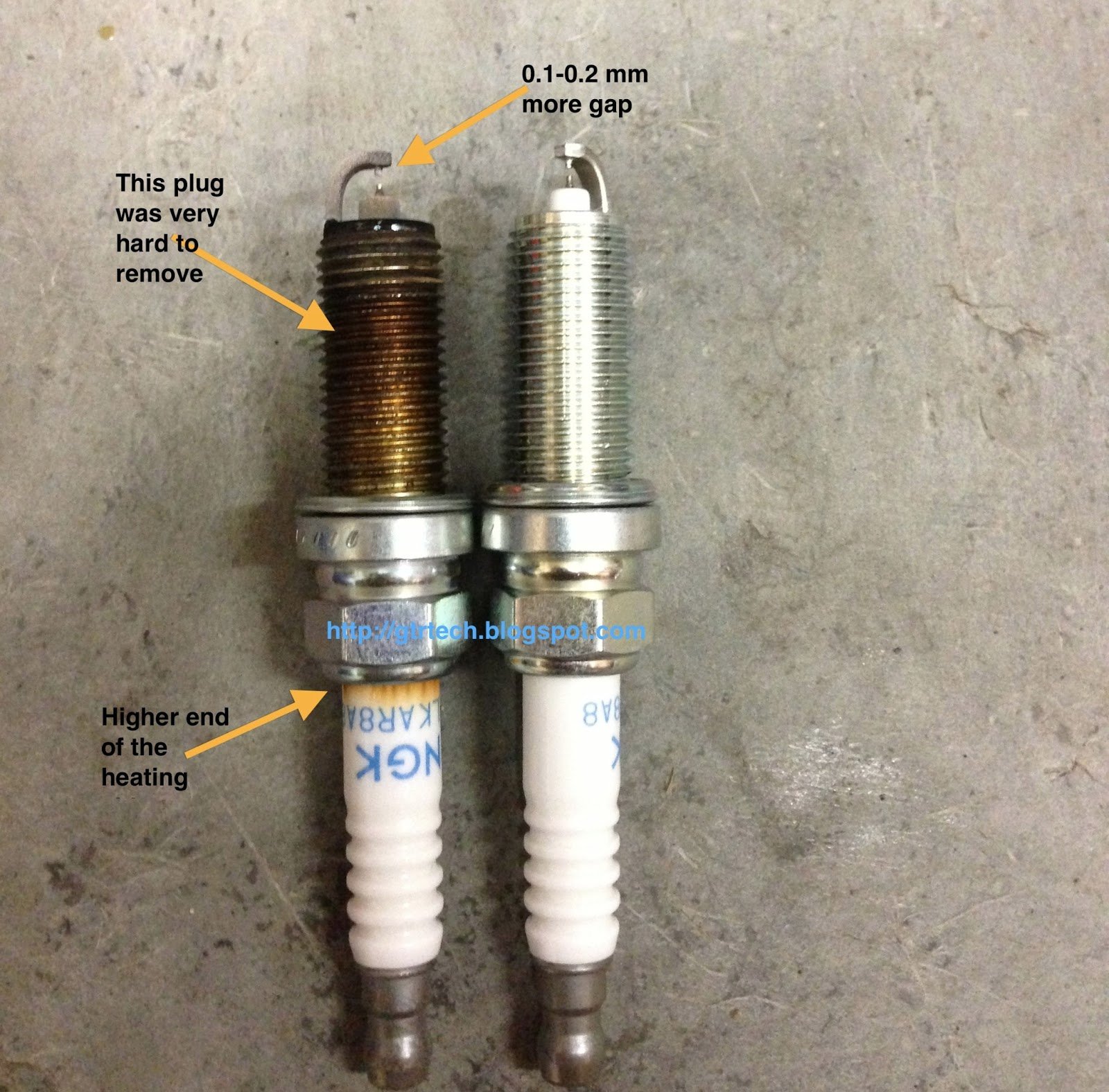
Credit: gtrtech.blogspot.com
Signs Your Spark Plugs Need Changing
Even if you haven’t hit the recommended mileage, spark plugs can fail early. Here are the most common signs that it’s time to change them:
1. Difficulty Starting The Engine
If your car takes longer to start or needs multiple tries, worn spark plugs could be the cause. Old plugs may not create a strong enough spark.
2. Rough Idling
When your engine is running but the car isn’t moving, listen for rough sounds or vibrations. Bad spark plugs can make the engine idle unevenly.
3. Engine Misfires
A misfire means one or more cylinders aren’t firing correctly. This can feel like a sudden jerk or hesitation when accelerating. It’s often caused by failing spark plugs.
4. Poor Acceleration
If your car feels sluggish or doesn’t respond well when you press the gas, weak spark plugs might be to blame.
5. Higher Fuel Consumption
Bad spark plugs make the engine work harder, using more fuel. If you notice you’re filling up more often, check your plugs.
6. Check Engine Light
Modern cars have sensors that detect engine problems. If the check engine light comes on, it could be due to worn spark plugs. Always get the codes read to be sure.
7. Engine Surging Or Hesitation
Sometimes, the engine might surge (speed up unexpectedly) or hesitate (pause before responding). Both can be symptoms of spark plug trouble.
Non-obvious Insight: Spark Plug “gap” Matters
A common beginner mistake is ignoring the spark plug gap—the distance between the center and side electrodes. If this gap widens over time, the spark weakens. Even if the plug looks clean, the gap may be too big and cause problems.
Factors That Affect Spark Plug Life
Not every car or driving style is the same. Several things can make spark plugs wear out faster or last longer.
Driving Conditions
- Short trips: Engines that don’t warm up fully can foul spark plugs faster.
- Stop-and-go traffic: Frequent starting and stopping puts more stress on plugs.
- High-speed driving: Sustained high RPMs can overheat plugs.
Engine Type And Modifications
- High-performance engines or those with turbochargers often use more advanced spark plugs, but they may wear out sooner.
- Modified engines (for racing, for example) usually need more frequent plug checks.
Fuel Quality
Low-quality fuel can leave deposits on spark plugs, causing them to fail earlier.
Non-obvious Insight: Oil Leaks And Spark Plugs
If oil leaks into the engine’s combustion chamber, it can coat spark plugs and ruin them quickly. This is often missed by beginners. If you see oil on the plug during inspection, there may be a bigger engine problem.
Recommended Spark Plug Replacement Intervals
It’s best to follow your car manufacturer’s advice, but here’s a general guide:
| Car Type | Suggested Change Interval | Notes |
|---|---|---|
| Older Cars (pre-2000) | 20,000–30,000 miles | Usually copper plugs |
| Modern Cars (2000+) | 60,000–100,000 miles | Platinum or iridium plugs |
| High-Performance Cars | 20,000–40,000 miles | Frequent checks needed |
Always check your owner’s manual for the exact number. Some cars have specific spark plug requirements and intervals.
How To Check Spark Plugs Yourself
You don’t always need a mechanic to check your spark plugs. Here’s a practical way to inspect them:
- Make sure the engine is cool.
- Remove the spark plug wire or coil.
- Use a spark plug socket and ratchet to remove the plug.
- Look for signs of wear:
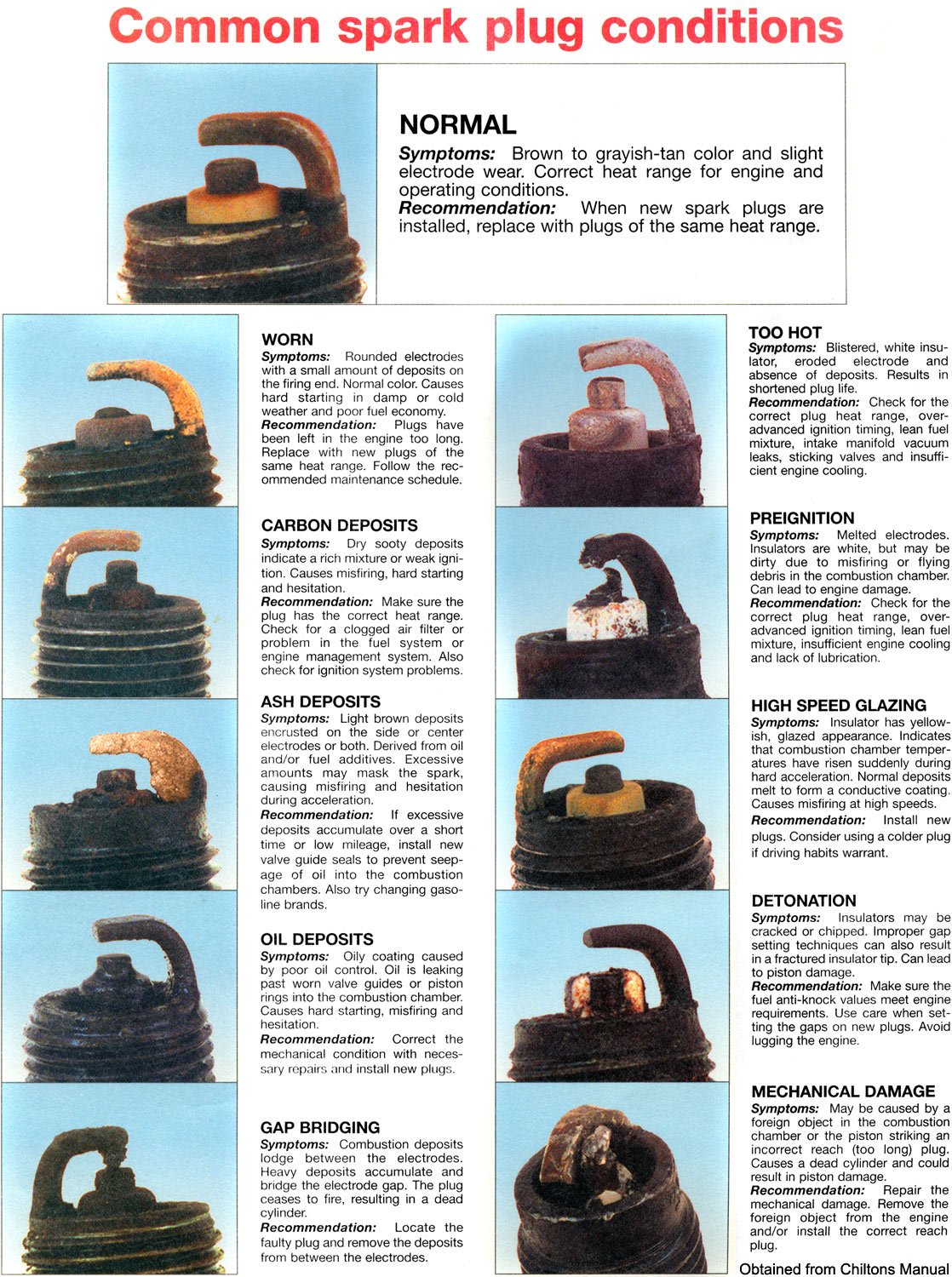
- Black soot: Rich fuel mixture or poor combustion.
- Oily: Possible oil leak in the engine.
- White deposits: Overheating or low-quality fuel.
- Worn electrodes: Gap has widened or metal is eroded.
- Use a spark plug gap tool to measure the gap. Compare it to the recommended size.
If you see any of these problems, it’s time to replace the spark plugs.
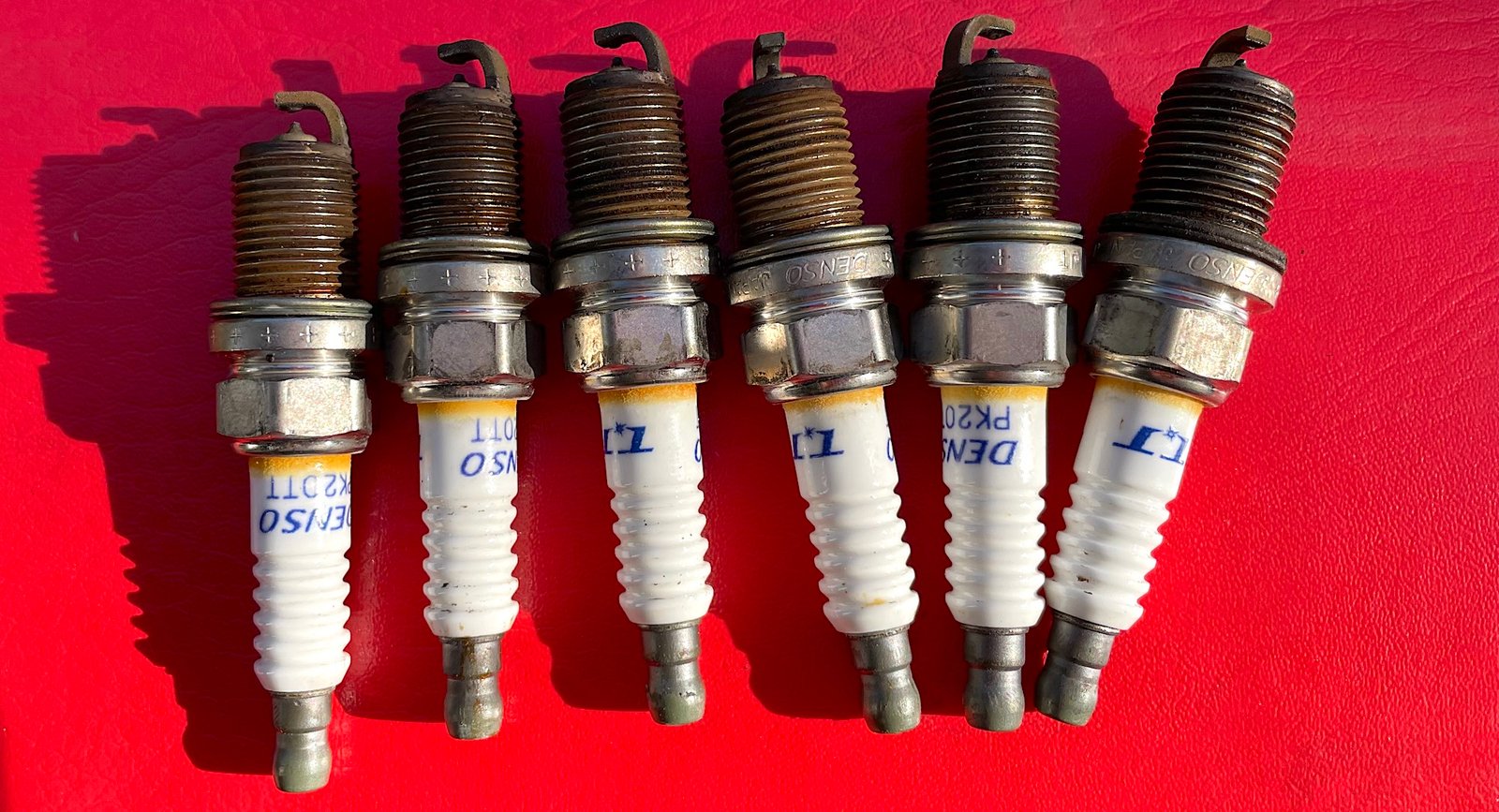
Credit: www.thedrive.com
Benefits Of Changing Spark Plugs On Time
There are many reasons to stay on schedule with spark plug replacements:
- Better fuel economy: A well-tuned engine uses less fuel.
- Smoother acceleration: Fresh plugs help your car respond better.
- Lower emissions: Good plugs mean cleaner exhaust.
- Longer engine life: Avoids stress on other engine parts.
Delaying replacement can lead to bigger problems like damaged catalytic converters or expensive repairs.
Common Mistakes To Avoid
- Waiting for a breakdown: Don’t wait until the car won’t start. Change spark plugs before trouble starts.
- Using the wrong type: Always use the spark plug type recommended by your manufacturer.
- Not checking the gap: Even new plugs may need the gap checked and adjusted.
- Reusing old plugs: Never reinstall old, worn plugs.
- Forgetting to replace all plugs: Change all spark plugs at the same time for even performance.
Cost Of Spark Plug Replacement
The price to change spark plugs depends on your car, the type of plugs, and where you live. For most cars:
- Parts: $15–$100 for a set (higher for iridium or platinum)
- Labor: $40–$150 (varies by mechanic and engine access)
- DIY: Only the cost of parts if you do it yourself
Some cars (especially V6 or V8 engines) have hard-to-reach plugs, which can increase labor costs.
When To Get Professional Help
You can change spark plugs yourself if you’re comfortable with tools. But see a mechanic if:
- The engine is running rough even after changing plugs.
- You see oil on the spark plugs.
- The check engine light stays on.
- Your car has special access issues (some engines require removing other parts).
A mechanic can also check for ignition coil or fuel injector problems if spark plug replacement doesn’t fix the issue.
Real-world Example: Spark Plug Failure
A driver with a 2012 Honda Accord noticed the engine idled roughly and used more gas than usual. Checking the spark plugs showed one had a thick black deposit. Replacing all four plugs restored smooth running and improved fuel economy by nearly 10%.
This shows how a simple fix can make a big difference.
How Spark Plug Technology Has Improved
Modern spark plugs last much longer than older ones, thanks to new materials and designs:
| Old Spark Plugs | Modern Spark Plugs |
|---|---|
| Mainly copper, short lifespan, needed frequent changes | Platinum/iridium, longer life, better performance |
| Prone to fouling and misfires | Resist fouling, more reliable |
| Manual gap checks every 10,000–20,000 miles | Hold gap longer, check less often |
Still, even the best plugs need changing eventually.
How To Make Spark Plugs Last Longer
- Use high-quality fuel to avoid deposits.
- Fix oil leaks quickly to protect the plugs.
- Follow maintenance schedules for air filters and fuel filters.
- Avoid harsh driving (full-throttle acceleration, frequent short trips).
Taking care of your engine helps spark plugs last closer to their maximum lifespan.
Frequently Asked Questions
What Happens If I Never Change My Spark Plugs?
If you never replace spark plugs, you’ll eventually face hard starting, poor performance, and higher fuel use. Over time, it can damage other engine parts, leading to expensive repairs.
Can I Change Just One Spark Plug Instead Of All?
It’s best to change all spark plugs at the same time. If one is worn, the others are likely close behind. Replacing only one can cause uneven engine performance.
How Do I Know Which Spark Plug Is Right For My Car?
Check your owner’s manual or ask a trusted mechanic. Using the wrong type can cause misfires or even engine damage.
Are Expensive Spark Plugs Worth The Price?
Higher-priced plugs (like iridium) usually last longer and perform better. For most drivers, they are worth it for the added lifespan and reliability.
Can Dirty Or Worn Spark Plugs Cause My Check Engine Light To Come On?
Yes, worn or fouled spark plugs can trigger the check engine light. Always diagnose the cause before replacing parts.
Keeping your spark plugs in top condition is one of the easiest ways to ensure your car runs smoothly. Regular checks and timely replacement save money, reduce stress, and give you peace of mind on every drive. For more technical details on spark plug types and intervals, visit AA1Car. Taking care of these small parts makes a big difference—don’t let them go unnoticed.
Credit: mechanics.stackexchange.com